
Most people who search for a guard dog don't actually want a dog that bites strangers. They want a dog that notices a stranger, sounds the alarm, looks big enough to make someone think twice, and is still gentle with the kids and the neighbours. That's a very different dog from the trained protection dogs sold by security companies, and choosing the wrong one is one of the most common ways families end up with a dog they can't manage.
This guide sorts the options by what you really need, and by what kind of household you are. It also covers the Australian rules that can apply to protective dogs, which most overseas "top 10" lists leave out.
Watchdog, guard dog or protection dog?
These words get used loosely, but they mean different things:
- Watchdog. Barks to tell you someone is there, then usually backs off. Almost any alert dog can do this, including small ones. For most families, this is all the "security" they need.
- Guard dog. A dog with a natural instinct to watch and defend its home and people. Guardian breeds are often calm and quiet until they decide something is wrong. They need serious socialisation so they guard at the right times and not at the wrong ones.
- Protection dog. A dog professionally trained to respond to a threat on command. These are specialist working dogs, expensive and demanding to keep, and not a family pet you train yourself.
The more protective the dog, the more work it takes to keep it safe around visitors, tradies, children's friends and other dogs. Be honest about which of the three you need before you look at breeds.
Guard dogs that suit most families
These breeds are protective and alert but, from good breeding and with proper training, are usually manageable family dogs. They still need an owner who will put in the time.
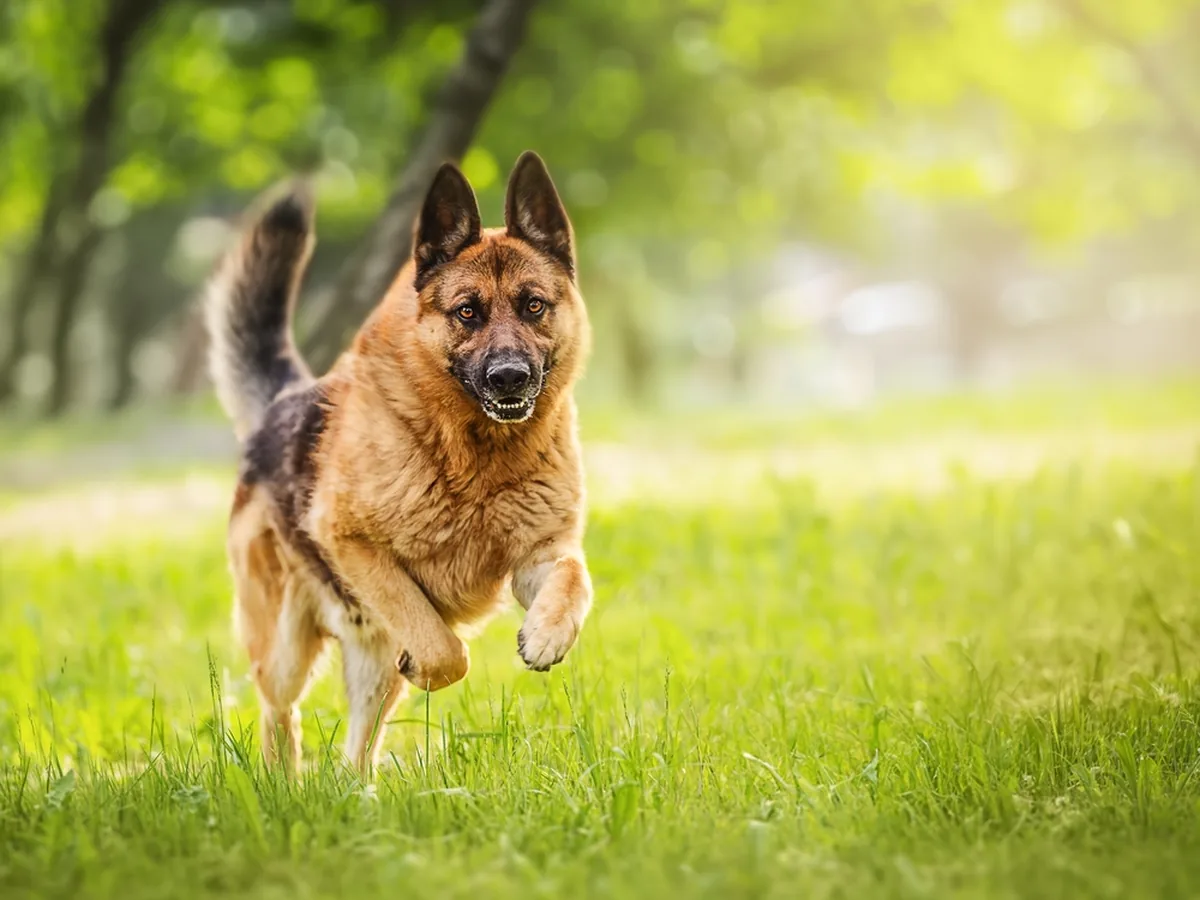
- German Shepherd. The classic all-rounder: intelligent, very trainable, loyal and naturally watchful. It needs plenty of exercise and mental work, sheds heavily, and can become anxious or overprotective if bored or under-socialised.
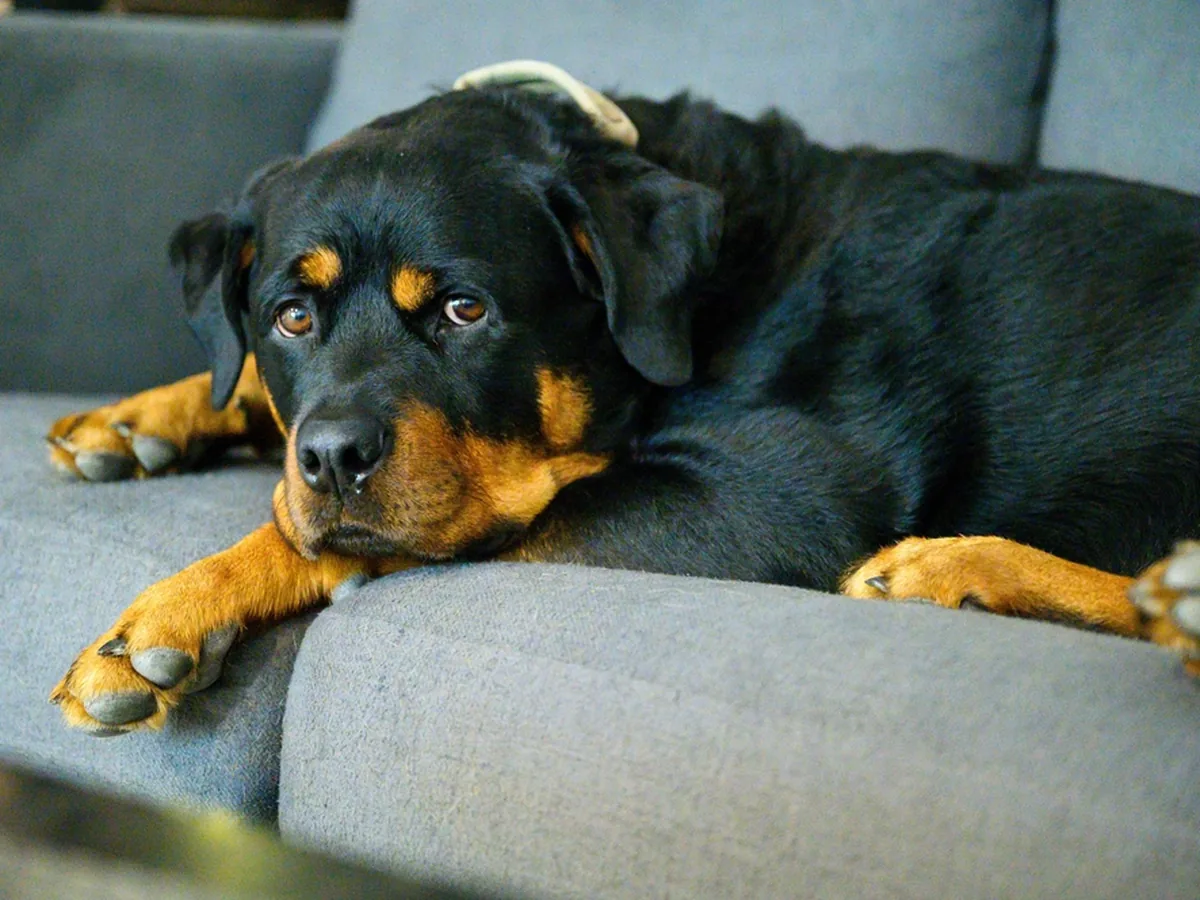
- Rottweiler. Calm, confident and devoted to its family, with a strong natural guarding instinct. It's very strong, so early lead training and consistent handling are essential. Better with older children than toddlers.
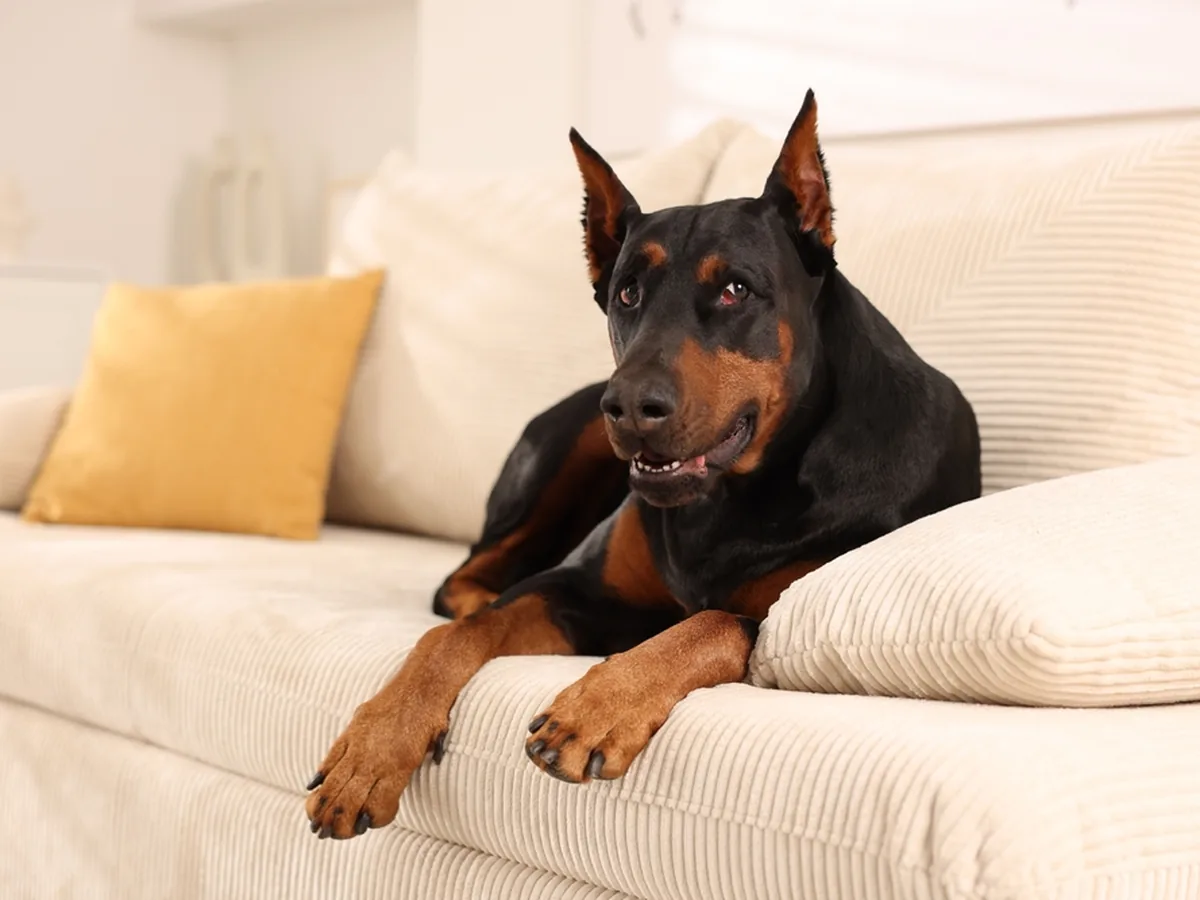
- Doberman. Sleek, fast and very people-focused. Dobermans tend to stay close to their family and are quick to learn. They're sensitive and don't cope well with being left alone for long periods.
- Boxer. More watchdog than guard dog: playful, bouncy and great with children, but alert and loud when someone arrives. A good choice if you mostly want a deterrent with a softer temperament.
- Bullmastiff. Originally bred to stop poachers on English estates. Quiet, calm and very large, it guards mainly by its presence. It needs less exercise than most guard breeds but is heavy, drools and has a shorter life.
Guard breeds for experienced owners only
These dogs can be wonderful with the right person, but they are a poor choice for a first dog, a busy household with lots of visitors, or a home with young children.
- Cane Corso. A powerful Italian guardian, wary of strangers and very protective of its family. Our Cane Corso guide covers what owning one really involves.
- Belgian Malinois. The police and military dog of choice. It has huge drive and needs hours of exercise and training every day. In a pet home without a job, it often becomes frustrated and hard to live with.
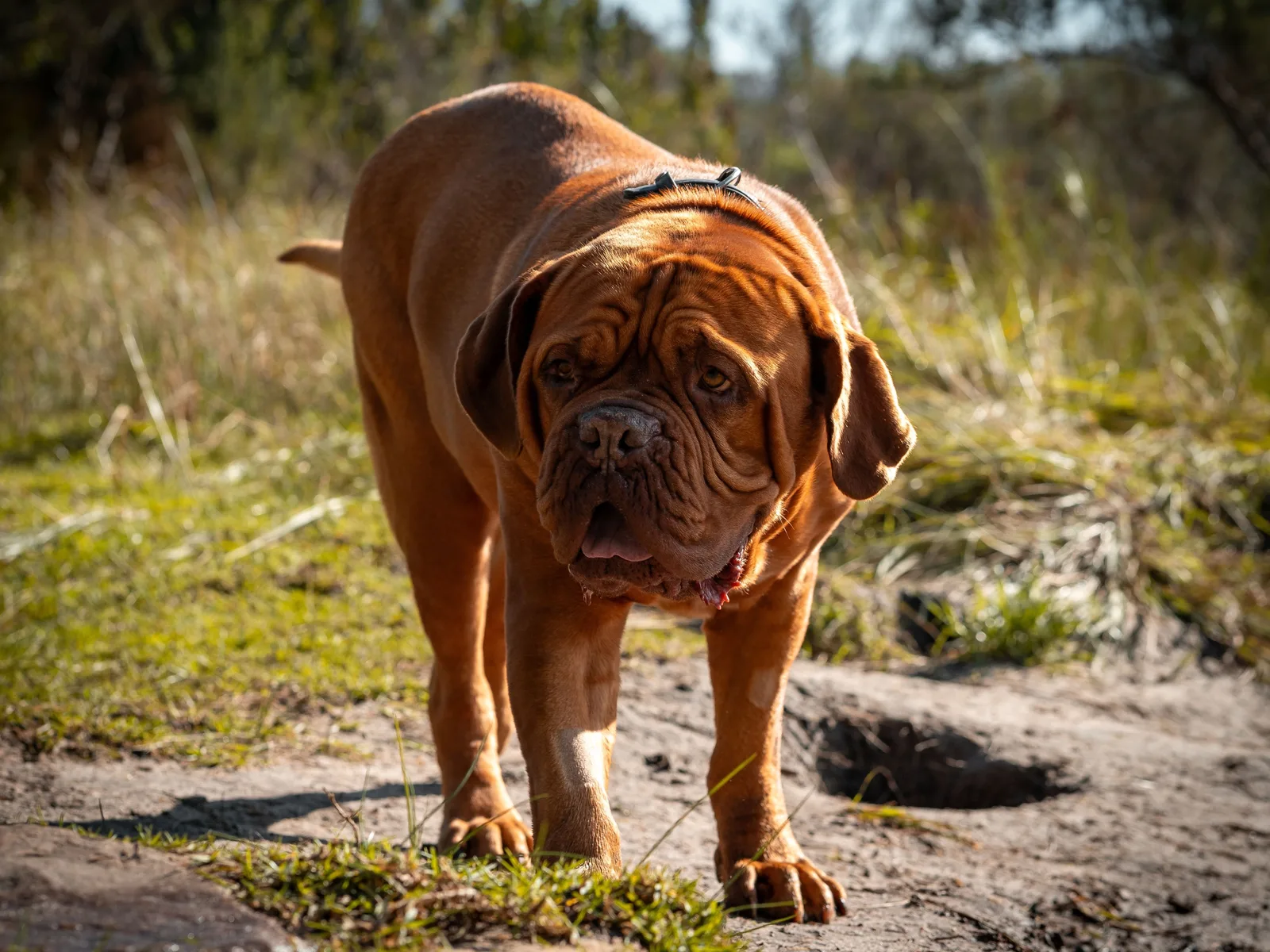
- Dogue de Bordeaux. A massive, calm and affectionate French mastiff that is naturally protective. It struggles in heat, drools heavily and has a short lifespan.
- Akita. Dignified, loyal and quiet, but often intolerant of other dogs and wary of strangers. Best as the only dog in an adult household.
- Giant Schnauzer. A smart, energetic working dog with a strong protective streak and a coat that needs regular grooming.
The Bull Arab is sometimes advertised as a guard dog in Australia, but it was bred as a pig-hunting dog, not a guardian. Read our Bull Arab guide before you buy one for protection.
On a farm or acreage? Look at livestock guardians
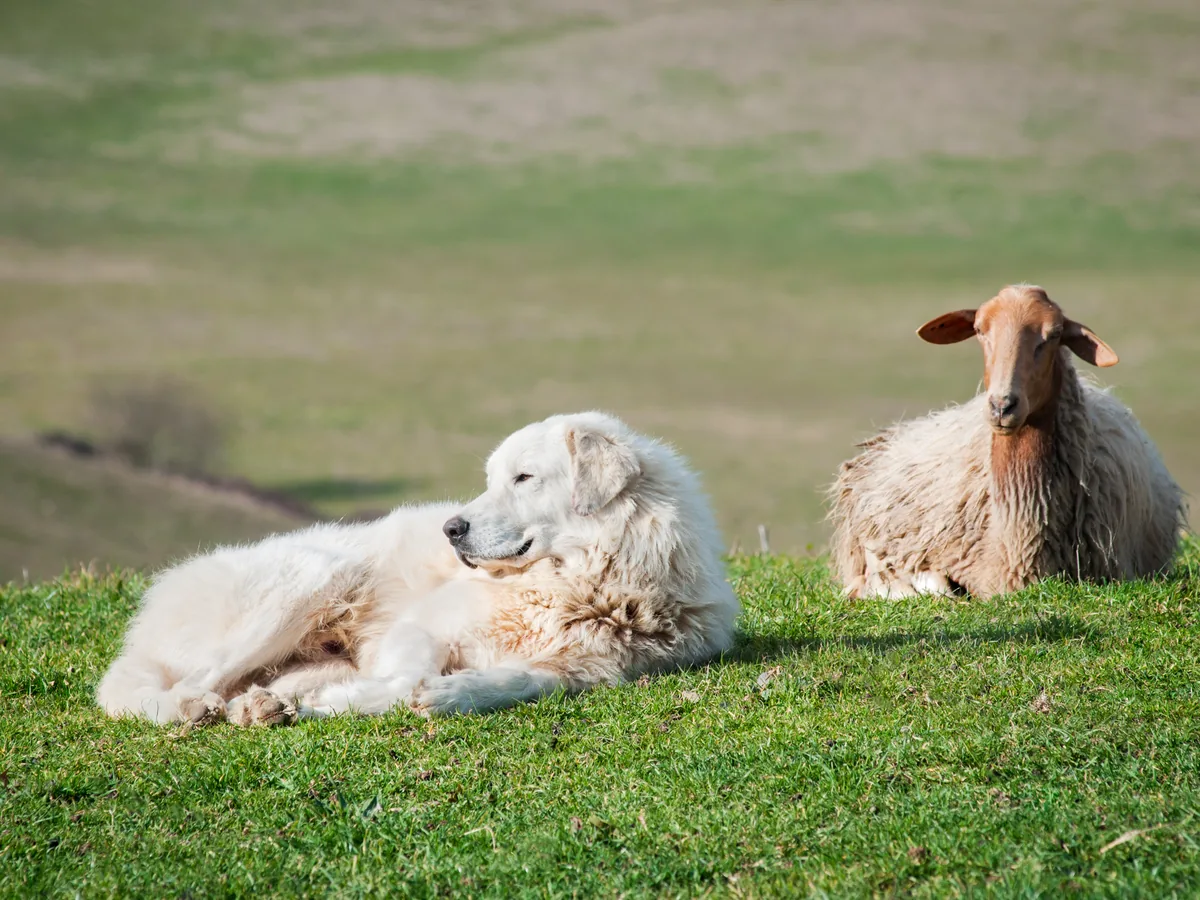
If you want a dog to protect animals rather than a house, livestock guardian breeds were made for the job. They live with the stock, work independently and deter foxes, wild dogs and other predators. The Maremma Sheepdog is the best-known in Australia, and Maremmas have even been used to protect penguins from foxes on Middle Island in Victoria. The Anatolian Shepherd, Great Pyrenees and Alabai do similar work.
These dogs bark a lot, especially at night, roam if fencing isn't secure, and are very hard to train for obedience. They are rarely a good fit in suburbia.
Live in a unit or townhouse? Choose a watchdog
You don't need a big dog to know when someone is at the door. Alert, vocal breeds make good watchdogs without the size, strength or legal risk of a guardian breed. Good options include the Miniature Schnauzer, the Staffordshire Bull Terrier (alert and great with families, though more likely to greet a burglar than stop one) and, if you have space and time for exercise, the Blue Heeler, which is naturally wary of strangers.
Guard dog breeds compared
| Breed | Size | Best role | With young kids | First-time owner? | Heat |
|---|---|---|---|---|---|
| German Shepherd | Large | Family guard dog | Good with training | Possible, with a trainer | Struggles |
| Rottweiler | Giant | Family guard dog | Older kids better | Not ideal | Moderate |
| Doberman | Large | Family guard dog | Good with training | Possible, with a trainer | Moderate |
| Boxer | Large | Watchdog | Very good | Yes | Moderate (short face) |
| Bullmastiff | Giant | Deterrent by presence | Good, but heavy | Not ideal | Moderate |
| Cane Corso | Large | Serious guardian | Older kids only | No | Moderate |
| Belgian Malinois | Large | Working and protection | Not recommended | No | Struggles |
| Maremma Sheepdog | Large | Livestock guardian | Varies | No | Moderate |
| Miniature Schnauzer | Small | Watchdog | Good | Yes | Moderate |
These are general guides based on our breed profiles. Every dog is an individual, and breeding, training and socialisation matter more than breed. You can put any two breeds side by side in our breed comparison tool.
The Australian rules you need to know
A protective dog brings legal responsibilities, and the consequences of getting it wrong are serious for both you and the dog.
- Any dog can be declared dangerous or menacing. In every state and territory, councils can declare an individual dog dangerous or menacing after an attack or repeated threatening behaviour, whatever its breed. In NSW, a declared dangerous or menacing dog must wear a red and yellow striped collar, be desexed, and be muzzled and on a lead held by an adult whenever it's off your property. A dangerous dog must also be kept in a council-approved enclosure, with warning signs displayed.
- In Victoria, a working guard dog is a "dangerous dog" automatically. A dog kept to guard non-residential premises, such as a business or a yard, is a dangerous dog under the Domestic Animals Act 1994. That status lasts for life, even after the dog retires. The owner needs prescribed warning signs at every entrance, a red and yellow striped collar on the dog, and perimeter fencing at least 1.8 metres high. This applies to guarding businesses and other non-residential sites, not to a family dog living in your home, but it shows how seriously the law treats guard dogs.
- Some breeds are banned. Australia bans the import of five breeds, and states restrict them further. Our guide to banned dog breeds in Australia has the details for each state.
- You're responsible for what your dog does. A dog that rushes the fence at passers-by or bites a visitor can end up declared, and owners can face fines or court. Secure fencing and a closed gate matter more than any breed choice.
Rules differ between states and councils, so check with your council before you bring home a guardian breed.
Don't train aggression yourself
The safest guard dog is a confident, well-socialised dog that is relaxed around normal life, so its protective instinct only shows when something is genuinely wrong. Teaching a family dog to bite, or rewarding growling at visitors, tends to produce a fearful, unpredictable dog that is a risk to your own family and guests.
- Start socialisation as a puppy and keep it going for life: visitors, children, other dogs, tradies, the vet.
- Use reward-based training with a trainer experienced in large or guardian breeds.
- Teach a reliable "quiet" and "settle", so the dog can sound the alarm and then stop.
- If you genuinely need a trained protection dog, talk to a reputable specialist provider rather than attempting it yourself, and check the legal requirements in your state first.
Think about the heat
Many classic guard breeds come from cooler climates. Big, dark, heavy or short-faced dogs, such as the Rottweiler, Dogue de Bordeaux and Bullmastiff, need shade, water and exercise only in the cool of the day during an Australian summer. If you live somewhere hot, the Rhodesian Ridgeback, bred in southern Africa, copes with heat better than most and is naturally watchful. Our guide to the best dogs for hot climates has more options.
Is a guard dog right for you?
A guardian breed can suit you if:
- you've owned a large dog before, or will commit to professional training,
- you have a securely fenced yard and time for daily exercise and training,
- your household is adults or older children, and you can manage visitors calmly,
- you're ready for the costs of a big dog: food, vet bills and possibly higher insurance.
If what you really want is a dog that barks when someone comes to the door, a watchdog breed will give you that with far less risk. Pair it with good locks and lights, and you have most of the security benefit without the responsibility of a serious guardian.
Not sure which dog fits your home? Take the free dog match quiz to compare breeds against your space, routine and experience. If you're new to dogs, start with our first-time owner guide, and read our article on the "most dangerous" dog breeds to see why breed bite statistics are less reliable than they look.
Sources and further reading
- NSW Office of Local Government: Control requirements for dangerous and menacing dogs
- Blacktown City Council: Dangerous dogs
- Agriculture Victoria: Guard dogs
- Hume City Council: Guard dogs
All photos: Shutterstock.
This article is general information, not legal or veterinary advice. Dog laws differ between states and councils and can change. Checked November 2026; confirm the rules with your council before buying or adopting.