
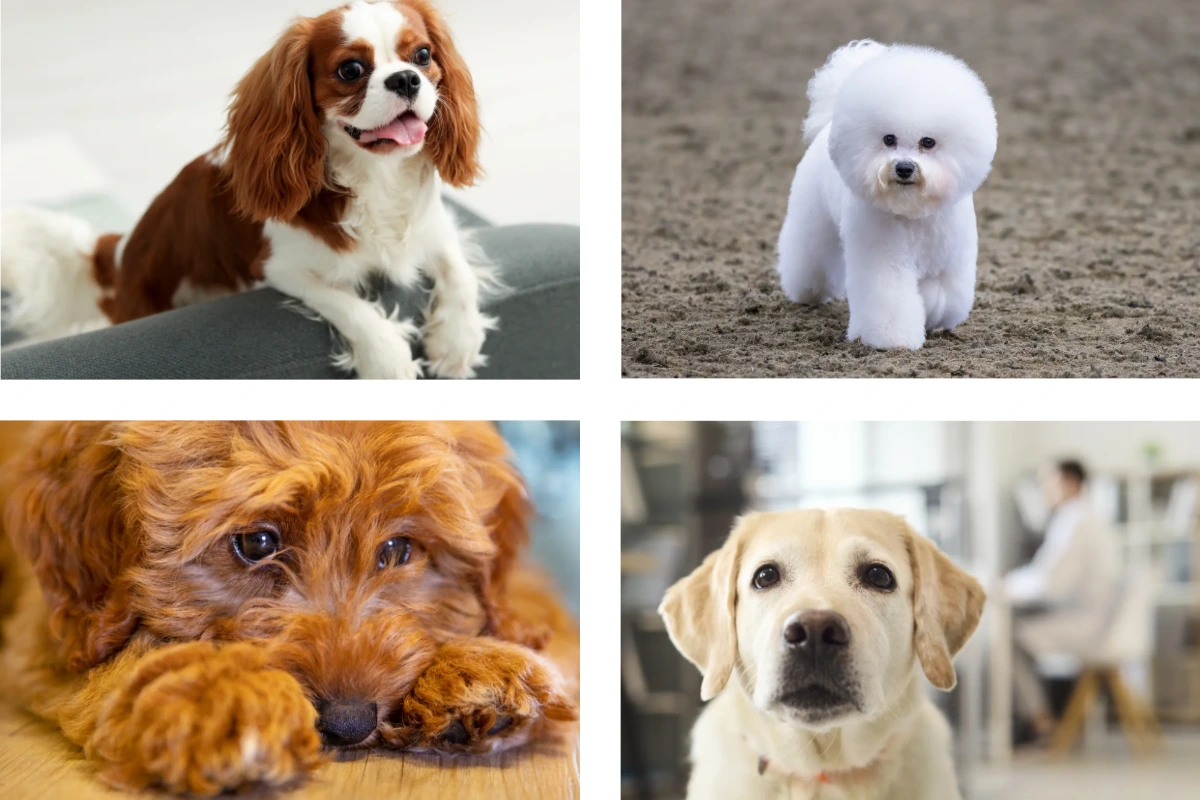
Your first dog will reshape your mornings, your weekends, and your social commitments for the next 10 to 15 years. That is not a warning — it is a promise. The right match makes this one of the most meaningful decisions of your life. The wrong one creates daily frustration for both of you.
Most beginner dog lists are incomplete. They point to size or coat type and skip the factors that actually determine how hard a dog is to live with: how quickly they learn, how much energy they demand each day, and whether they can handle being alone while you are at work. This guide covers all five — and names the breeds that score best across all of them.
What Makes a Breed Beginner-Friendly?
Five factors determine whether a dog will suit a first-time owner:
Trainability — The most important factor by a clear margin. A dog that learns quickly forgives your inevitable early mistakes. Struggling with basic commands makes every other challenge harder.
Energy level — High-energy dogs need structured daily exercise. Without it, they find their own outlets — chewed furniture, dug gardens, restless pacing. New owners consistently underestimate how much time a 4/5 or 5/5 energy breed demands every single day.
Grooming demands — Some breeds need professional grooming every 6 to 8 weeks. This is a real cost and a scheduling commitment that many first-time owners do not budget for.
Separation anxiety — Most people work. A dog that cannot manage 4 to 6 hours alone will become distressed and destructive. This factor is underweighted in most breed guides but is one of the clearest predictors of owner frustration.
Barking tendency — A dog scoring 4 or 5 out of 5 on barking is a real consideration in an apartment or a home with close neighbours. This shapes your daily life more than most people expect before they commit.
The 6 Best Breeds for First-Time Owners
| Breed | Energy | Training | Grooming | Good with Kids | Apartment OK |
|---|---|---|---|---|---|
| Cavalier King Charles Spaniel | 3 / 5 | 5 / 5 | 3 / 5 | 5 / 5 | 5 / 5 |
| Cavoodle | 3 / 5 | 4 / 5 | 4 / 5 | 5 / 5 | 5 / 5 |
| Labrador Retriever | 4 / 5 | 5 / 5 | 3 / 5 | 5 / 5 | 2 / 5 |
| Golden Retriever | 4 / 5 | 5 / 5 | 4 / 5 | 5 / 5 | 2 / 5 |
| Labradoodle | 4 / 5 | 4 / 5 | 4 / 5 | 5 / 5 | 3 / 5 |
| Bichon Frise | 3 / 5 | 3 / 5 | 4 / 5 | 5 / 5 | 5 / 5 |
Cavalier King Charles Spaniel
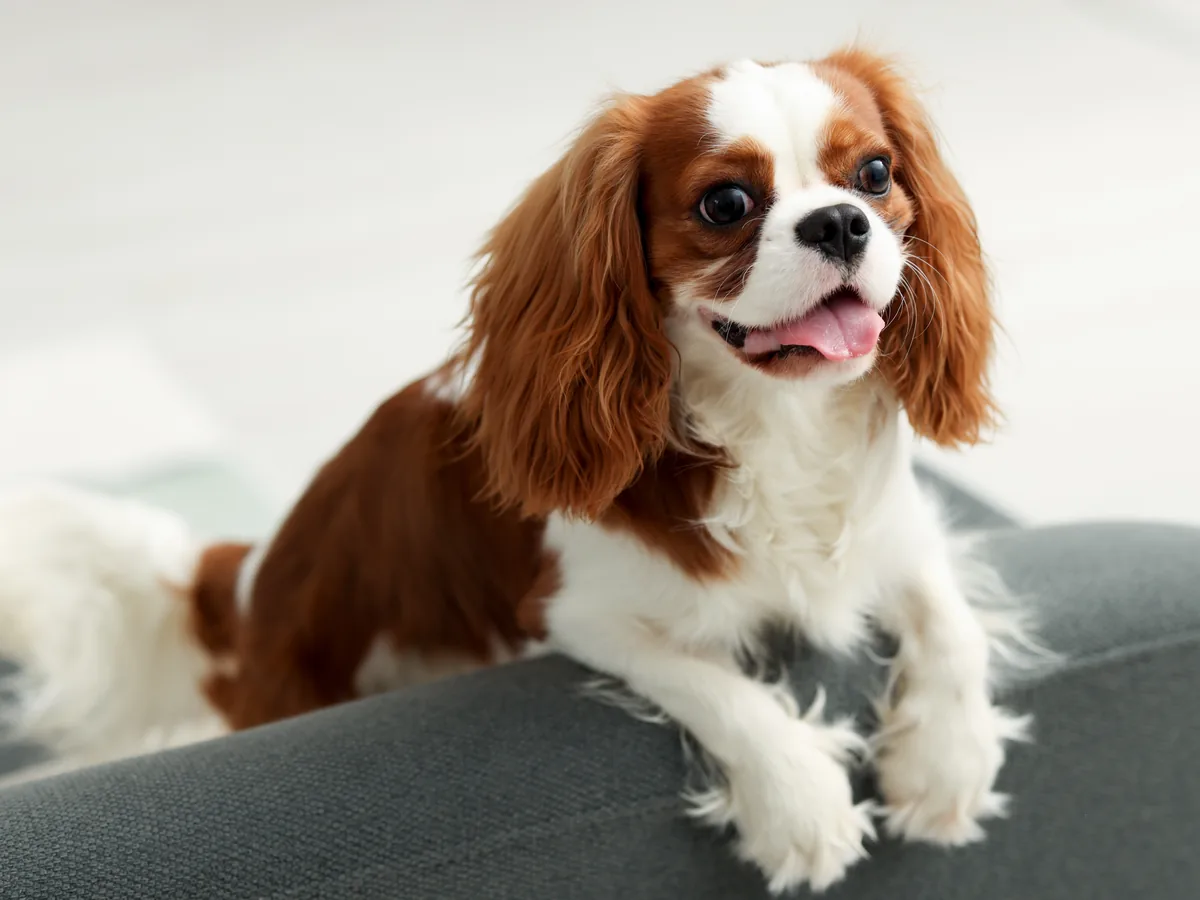
The Cavalier is one of the gentlest breeds in existence. Bred entirely for companionship, it is patient, adaptable, and content to follow its owner through any routine. For someone still learning how to read a dog and establish basic habits, the Cavalier's forgiving temperament is a genuine advantage. It scores 5/5 for training ease and 5/5 for apartment suitability, with moderate energy (3/5) that a comfortable daily walk is enough to meet.
Grooming is straightforward: a medium-length coat that needs regular brushing but only occasional professional trimming. Barking is low (2/5).
One honest caveat: Cavaliers score 5/5 for separation anxiety. They bond deeply and struggle with extended time alone. If your schedule means 8 or more hours at home alone regularly, factor this in carefully.
Cavoodle
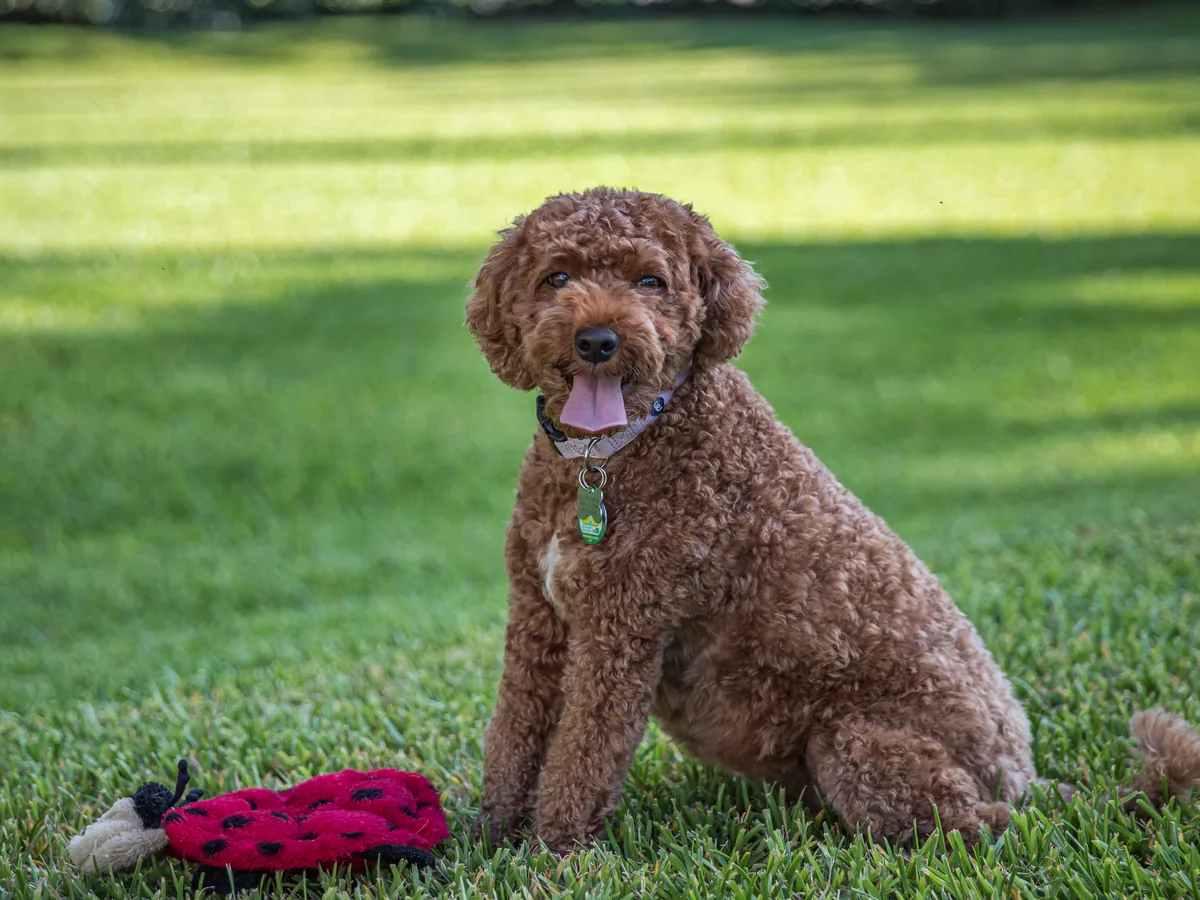
Australia's most popular designer breed earns that status. The Cavoodle combines the Cavalier's warmth with Poodle intelligence, producing a compact, easy-to-train companion that adapts to apartments, families, and multi-pet homes with equal comfort. It scores 5/5 for both apartment suitability and compatibility with children, and 2/5 for barking — an unusually good fit for urban or close-quarters living.
Energy is moderate (3/5). Grooming requires professional clipping every 6 to 8 weeks, but the trade-off is minimal shedding (2/5).
One honest caveat: Like the Cavalier parent, Cavoodles score 4/5 for separation anxiety. They thrive where someone is home for a significant part of the day.
Labrador Retriever
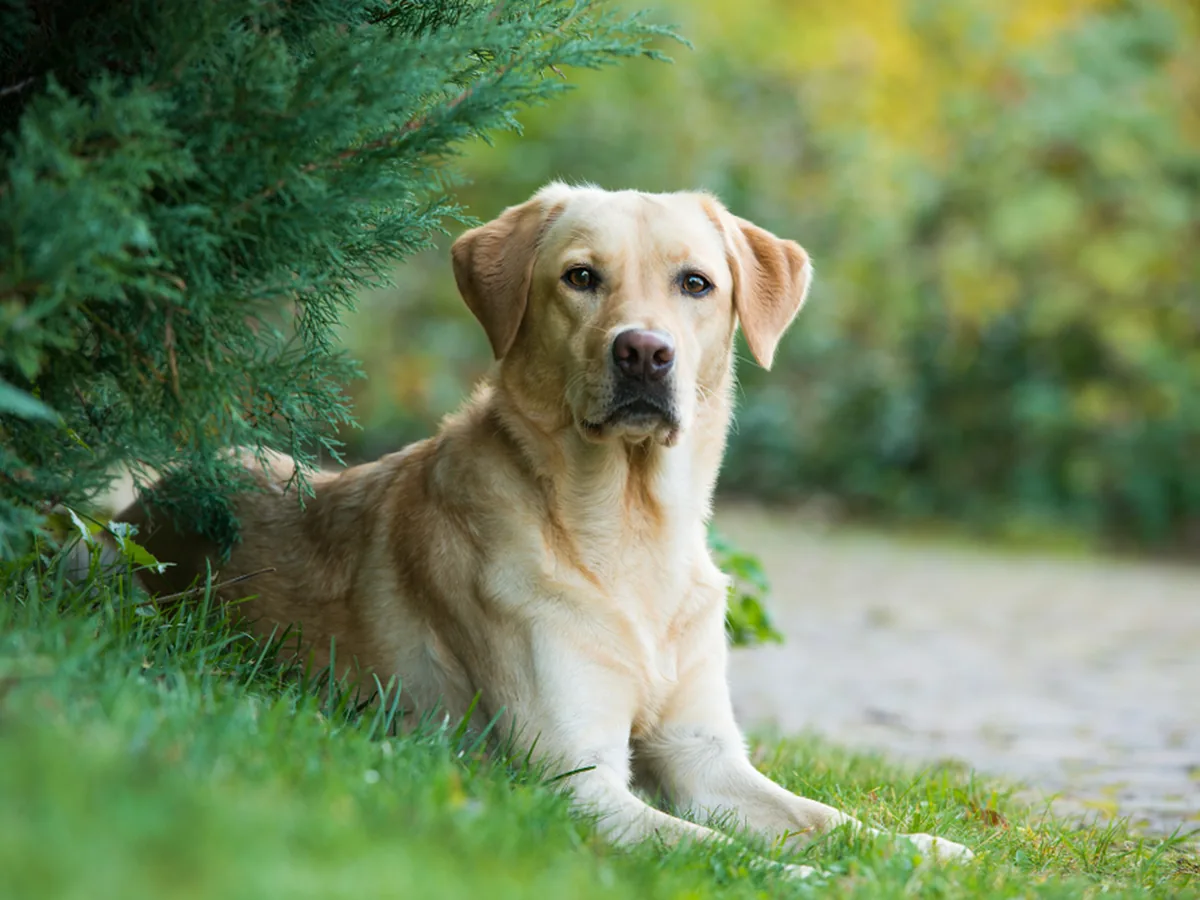
The Labrador has been the world's most popular breed for decades because it is genuinely forgiving of an owner's inconsistency. Food-motivated, eager to please, and almost universally safe with children and strangers, it scores 5/5 for both training ease and compatibility with kids. For a first-time owner who wants a dependable, uncomplicated companion, the Labrador is hard to argue against.
The trade-offs are real: it needs meaningful daily exercise (4/5 energy), sheds heavily (5/5), and is not suited to apartment living (2/5). But in a house with a yard and an owner committed to daily walks, it delivers consistently.
One honest caveat: Labradors are boisterous puppies until about age two. Early obedience training is non-negotiable — their size and enthusiasm means an untrained Lab causes real chaos.
Golden Retriever
Where the Labrador brings food-driven enthusiasm, the Golden Retriever brings patient warmth. It is slow to frustration, deeply gentle with children, and one of the most forgiving breeds of an owner still learning the ropes. It scores 5/5 for training ease and 5/5 for compatibility with kids — and its temperament acts as a natural buffer against early handling mistakes.
The trade-offs mirror the Labrador: significant shedding (4/5), grooming demands (4/5), and a need for space (2/5 apartment suitability). A house with a yard suits a Golden far better than a small flat.
One honest caveat: Golden Retrievers shed a lot. If dog hair on furniture and clothing is a dealbreaker, look at lower-shedding alternatives like the Cavoodle or Labradoodle.
Labradoodle
The Labradoodle pairs the Labrador's trainable, food-motivated temperament with a low-shedding Poodle coat. For households that want a Labrador's personality without the heavy shedding, it is a strong option. It scores 5/5 for compatibility with children and 4/5 for training ease — both of which make it one of the more practical large-breed choices for new owners.
Energy is higher (4/5), so daily exercise is a real requirement. Grooming demands are also 4/5 — the low-shedding coat requires regular brushing and professional clipping. It can adapt to medium-sized homes (3/5 apartment score) but does best with some outdoor space.
One honest caveat: Labradoodles vary in coat, size, and temperament depending on the generation and breeding lines. Seek breeders who can provide parent health clearances.
Bichon Frise
The Bichon Frise is one of the most apartment-compatible small breeds available. Low-shedding, moderate energy (3/5), and 5/5 for compatibility with both children and other pets — it is a practical choice for city living where space is limited and quiet matters. For someone who wants a compact, sociable companion rather than a working partner, the Bichon delivers.
Training requires more patience than Poodle-cross breeds (3/5 training ease), and grooming demands are high (4/5). Barking can be an issue (4/5), which early training helps manage.
One honest caveat: The Bichon's barking tendency means early socialisation and training is important. In a small apartment without it, this becomes a daily friction point.
Breeds That Look Beginner-Friendly But Are Not
Border Collie
The Border Collie scores 5/5 for training ease, which leads many new owners to assume it will be easy to live with. It is not. It also scores 5/5 on energy and was bred to work 8 to 10 hours a day herding livestock. Without intensive mental and physical stimulation — structured work, not just walks — Border Collies become anxious, compulsive, and destructive. This is a breed for experienced, active owners who can genuinely meet its demands.
Siberian Husky
Huskies are striking and sociable, but they are one of the most demanding breeds for a first-time owner. They score 2/5 for training ease — stubborn and independent by design, bred for endurance running rather than human instruction. They need 5/5 energy outlets daily, score 1/5 for apartment suitability, and are natural escape artists. An under-stimulated Husky is a serious management challenge.
Dalmatian
The Dalmatian's striking appearance attracts significant first-time owner interest. The reality is a high-energy working dog that needs 90 minutes to two hours of hard daily exercise and can be stubborn to train. Dalmatians do not adapt well to inconsistent exercise — they need it every day, regardless of your schedule. They are better suited to an experienced owner with an active outdoor lifestyle.
Does Size Matter for First-Time Owners?
Smaller does not automatically mean easier. A Chihuahua or Jack Russell Terrier can be significantly more challenging than a well-bred Labrador — stubborn temperaments, high barking, and a tendency to develop guarding behaviour without careful socialisation. Small dogs have just as much personality as large ones, and sometimes more attitude.
What size does affect is practical logistics: feeding costs, vet bills that scale with body weight, and the physical reality of walking a strong-pulling dog. A Labrador that pulls on the lead is a genuine physical challenge; a Cavoodle that pulls is a minor inconvenience. For first-time owners, medium-to-large breeds with high trainability often provide the best balance of manageability and temperament.
Not Sure Which Breed Suits Your Life?
Every household is different. The breed that works for someone with a large yard and flexible hours may be the wrong choice for a small apartment and long work days. Our quiz takes your home type, activity level, household, and preferences and matches them against every breed in our database — including all six breeds listed here.
Take the breed matching quiz →
Frequently Asked Questions
What is the easiest dog breed for a first-time owner?
Breeds that score well across all five key factors — trainability, energy, grooming, separation anxiety, and barking — include the Cavalier King Charles Spaniel, Cavoodle, and Labrador Retriever. The best choice depends on your living situation: a Cavalier suits apartments and quieter homes; a Labrador suits houses with yards and active owners.
Are small dogs easier for beginners?
Not necessarily. Small breeds like Jack Russell Terriers, Chihuahuas, and Miniature Pinschers can be stubborn, loud, and prone to guarding behaviour without careful training — often more demanding than larger, highly-trainable breeds. The most beginner-friendly dogs are those with high trainability and forgiving temperaments, regardless of size.
Should a first-time owner get a puppy or an adult dog?
Both have genuine advantages. Puppies let you shape habits from the start, but demand intensive time in the first 6 months: toilet training, socialisation, and basic obedience. An adult rescue dog from a reputable shelter often comes toilet-trained and with a known temperament. For first-time owners with limited spare time, an adult dog can be the lower-risk option.
What breeds should first-time owners avoid?
Breeds combining high energy with low trainability or working-dog intensity are generally poor matches: Siberian Huskies, Akitas, Chow Chows, Belgian Malinois, and Border Collies all require experience and structure that most first-time owners do not yet have in place. Herding and guardian breeds as a category warrant caution, regardless of how calm an individual dog may appear when you meet them.