
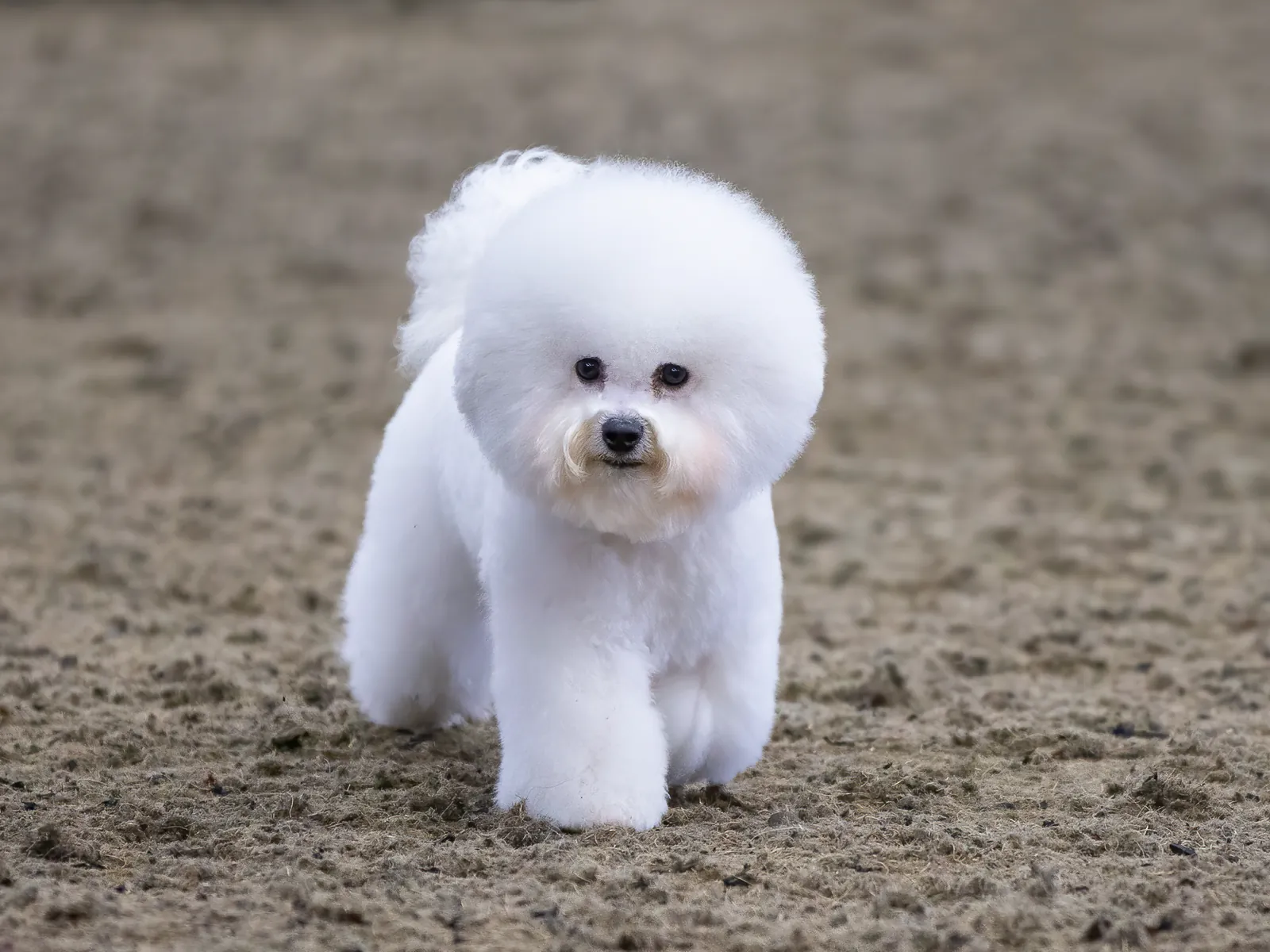
The Bichon Frise looks like a soft toy. It isn’t. Underneath that powder-puff coat is a social, switched-on little dog that takes companionship very seriously and expects you to do the same.
They’ve been doing exactly that for a long time. Once favoured by Mediterranean sailors, the Bichon made a career out of being good company in tight quarters. That brief hasn’t changed. Be pleasant. Be charming. Win people over.
Physically, they’re compact, usually 5 to 8 kg, with that unmistakable white, curly coat that gives them their rounded, cloud-like look. It’s often called “hypoallergenic,” which is partly true, but it comes with conditions. That coat doesn’t shed much, but it never stops growing. Skip the brushing or delay the groomer, and it turns into work very quickly.
Temperament is where they earn their reputation. Bichons are open, social, and operate on the assumption that everyone is a friend they haven’t met yet. Other dogs, kids, visitors, the postie, all welcome. They like being around people and they mean it. Leave them alone too often and they’ll find ways to complain.
Energy sits in the middle. They’ll happily go for a walk and have a play, but they’re not built for endurance. What they actually want is involvement. If something’s happening, they expect to be included.
They’re also sharper than they look. Training is usually straightforward if you keep it positive and consistent, but they’re not robots. They’ll engage when it suits them, especially if food or attention is part of the deal.
The trade-off is simple. You commit to the grooming and the company, and in return you get a small, upbeat dog that fits neatly into most homes, apartments, live-in vans, boats..anywhere really. Full of joy, and never boring, Bichon Frise are loving, happy companion dogs who make life easier.