
Short answer: five dog breeds can't be imported into Australia: the American Pit Bull Terrier (or pit bull terrier), Dogo Argentino, Fila Brasileiro, Japanese Tosa and Perro de Presa Canario. Inside Australia, each state sets its own rules. Queensland has prohibited owning these breeds since August 2024, with limited exceptions. NSW, Victoria, WA, SA and Tasmania allow existing dogs under strict conditions, such as desexing, a muzzle and lead in public, a secure enclosure and a ban on selling or giving the dog away. The ACT has no restricted breeds. The Staffordshire Bull Terrier and American Staffordshire Terrier are not banned anywhere.
Those rules come up every time a bull breed is in the news, and they're easy to get wrong. This guide sets out what each state's law says as at November 2026, and what it means if you own, or plan to buy, a dog that looks like a "pit bull".
The national import ban
The Commonwealth bans the import of five breeds outright. The Customs (Prohibited Imports) Regulations 1956 list "Dogs of the following breeds":
- Dogo Argentino
- Fila Brasileiro
- Japanese Tosa
- American Pit Bull Terrier or pit bull terrier
- Perro de Presa Canario or Presa Canario
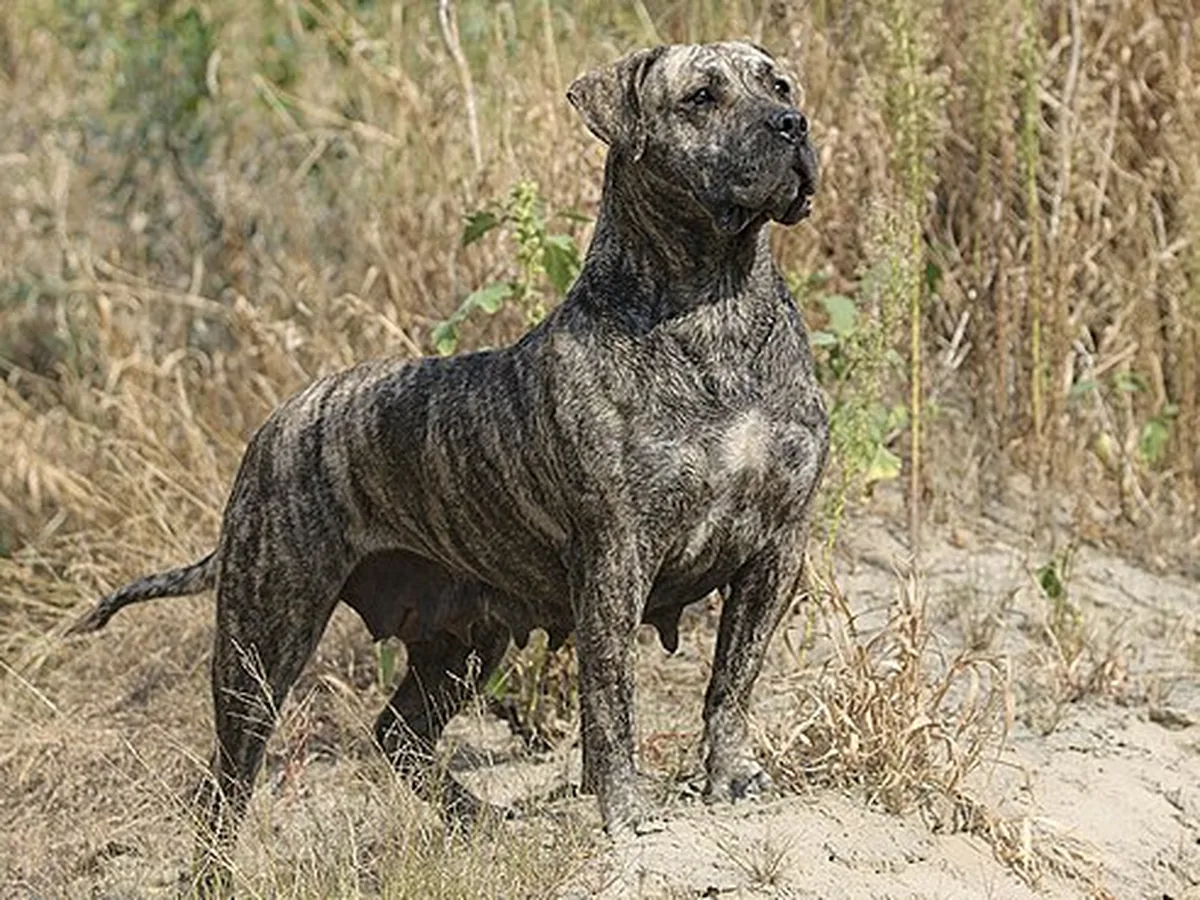
The import ban applies everywhere in Australia, including the ACT and the Northern Territory. Most states then use the same five breeds as their restricted or prohibited list, so these are the dogs people usually mean by "banned breeds".
State and territory rules at a glance
| State or territory | Status of the five breeds | Key rules |
|---|---|---|
| Whole of Australia | Can't be imported | Absolute import ban (Customs regulations) |
| Queensland | Prohibited since 28 Aug 2024 | Offence to own without a reasonable excuse, supply or breed; dogs with an earlier permit continue under the old rules |
| NSW | Restricted | Annual council permit, desexed, approved enclosure, muzzle and lead outside it, adult supervision, collar and signs; can't sell or give away |
| Victoria | Restricted | Can be registered since 2017; desexed, microchipped, escape-proof housing, collar, muzzle and lead off the property, warning sign |
| Western Australia | Restricted (includes crosses) | Sterilised, collar, child-proof enclosure; can't sell, advertise, transfer or breed |
| South Australia | Prescribed breeds | Confined, muzzled and restrained in public; can't sell, give away or advertise |
| Tasmania | Restricted when declared | Desexed and microchipped, muzzle and lead up to 2 m, adult handler, collar, signs, max 2 per property |
| ACT | No restricted breeds | Dogs assessed on behaviour |
| Northern Territory | No territory-wide list found | Council by-laws deal with dangerous dogs by behaviour |
Summarised from state and territory legislation and government pages, checked in November 2026. The rules include more detail than fits here, and councils enforce them, so check with your council before you buy, move or travel with a dog.
What each state's rules mean
Queensland: prohibited
Queensland's Animal Management (Cats and Dogs) Act 2008 was amended in 2024 so that, from 28 August 2024, a dog of an import-banned breed is a "prohibited dog". A person must not own or be responsible for one "unless the person has a reasonable excuse", and supplying or breeding one is also an offence. Dogs that already held a restricted dog permit before the change can stay under the old restricted-dog rules while their permit and registration are kept current.
NSW: restricted, with an annual permit
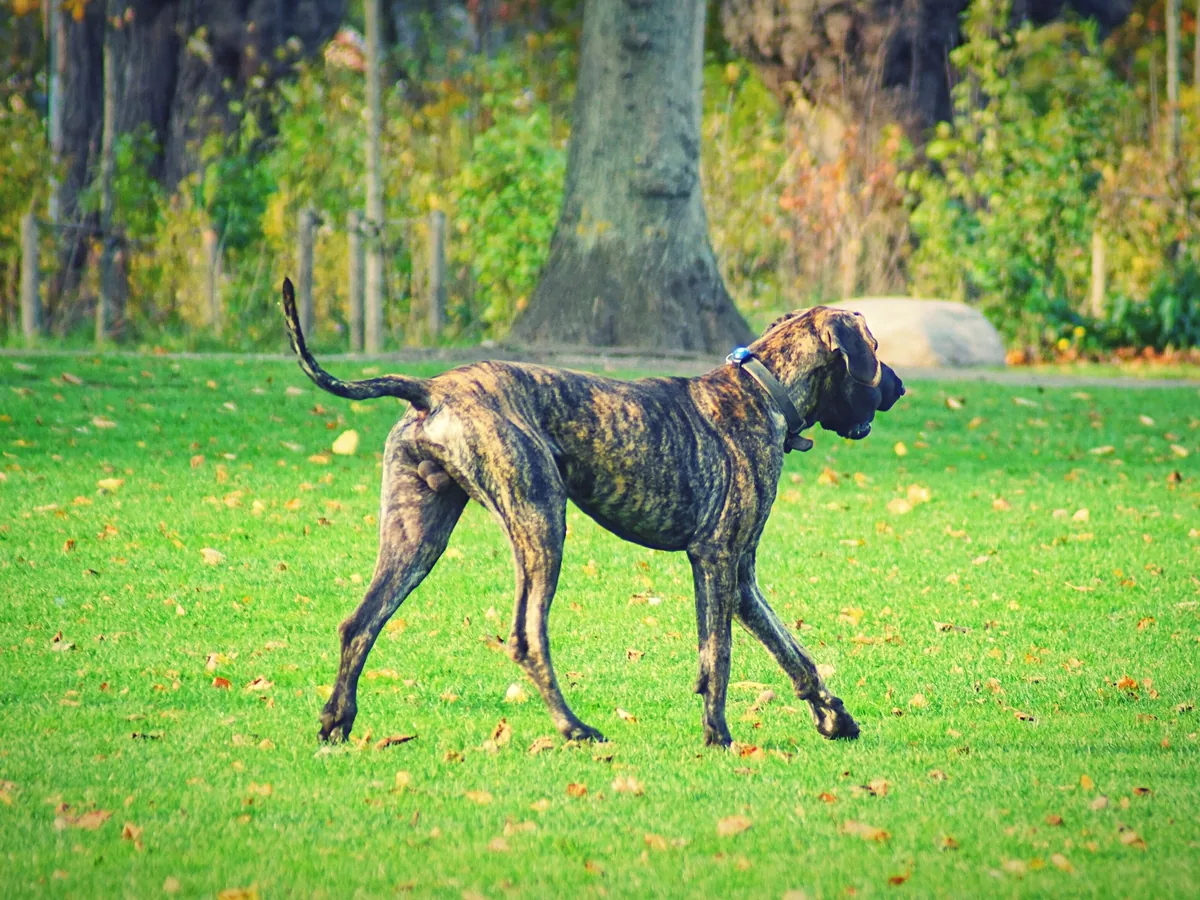
Under the Companion Animals Act 1998, the import-banned breeds are "restricted dogs", and a council can also declare a dog restricted. Owners need an annual permit from their council. The NSW Office of Local Government lists the control requirements, including that the dog must be desexed, "always supervised by someone over the age of 18", kept in a council-approved enclosure, and "wearing a muzzle and always securely leashed when outside the enclosure", with a prescribed collar and warning signs. Owners must not sell or give the dog away, advertise it for sale or transfer ownership.
NSW is reviewing its companion animal laws, partly in response to a coronial inquest into fatal dog attacks. Public submissions have closed, and no changes had been announced when we checked.
Victoria: restricted, can be registered with strict conditions
Victoria's Domestic Animals Act 1994 names the same five breeds as restricted breed dogs. Whether a dog is one is decided by a trained council officer, who assesses it against Victoria's approved Standard for Restricted Breed Dogs. Since 30 September 2017, restricted breed dogs can be registered. Owners must meet strict conditions, which the Victorian Government summarised in 2016 as desexing, microchipping, escape-proof housing, a special collar, a muzzle and lead off the property, and a warning sign.
Western Australia, South Australia and Tasmania
- WA (Dog Act 1976): a "dangerous dog (restricted breed)" includes a mix of breeds where one is a prescribed breed. The dog must be sterilised, must not be sold, advertised, transferred or bred (with narrow exceptions), and needs a special collar and an enclosure that also keeps out young children.
- SA (Dog and Cat Management Act 1995): the Dog and Cat Management Board lists the five breeds as "prescribed breeds". Owners must effectively confine the dog, muzzle and restrain it in public, and must not sell, give away or advertise it.
- Tasmania (Dog Control Act 2000): an authorised person may declare a dog a restricted breed dog. It must be desexed and microchipped within 28 days, muzzled and on a lead "not more than 2 metres long" off the premises, handled by an adult, and wear an approved collar. There's a limit of two such dogs per property, and selling or transferring one needs council approval.
ACT and Northern Territory
The ACT says plainly: "There are no restricted breeds in the ACT." Every dog is assessed on its own behaviour. We found no Territory-wide restricted-breed law in the NT either; dog control there is handled by council by-laws, such as Darwin's, which deal with dangerous dogs by behaviour. The national import ban still applies in both.
Is a Staffy or American Staffy a banned breed?
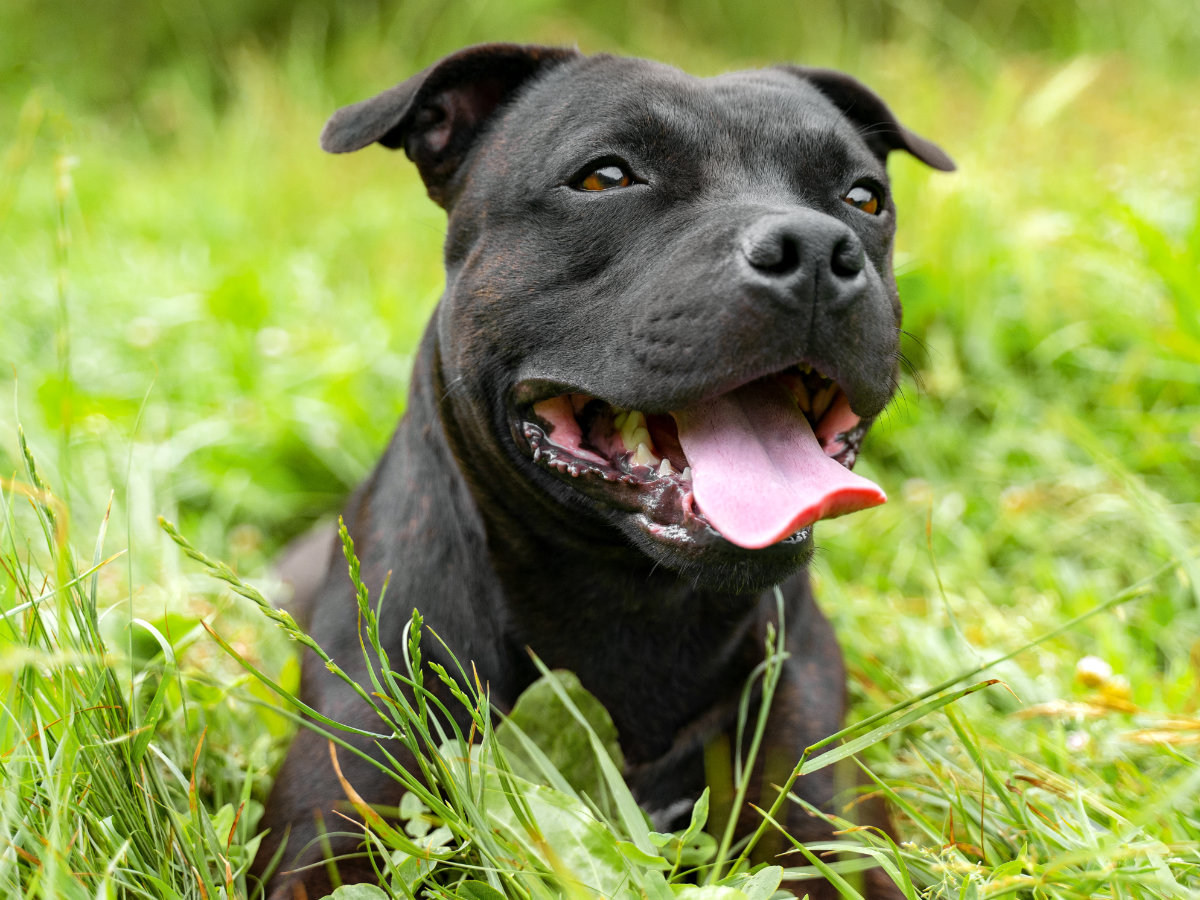
No. The Staffordshire Bull Terrier and the American Staffordshire Terrier aren't named in the import ban or in any state's list. Both are recognised by Dogs Australia.
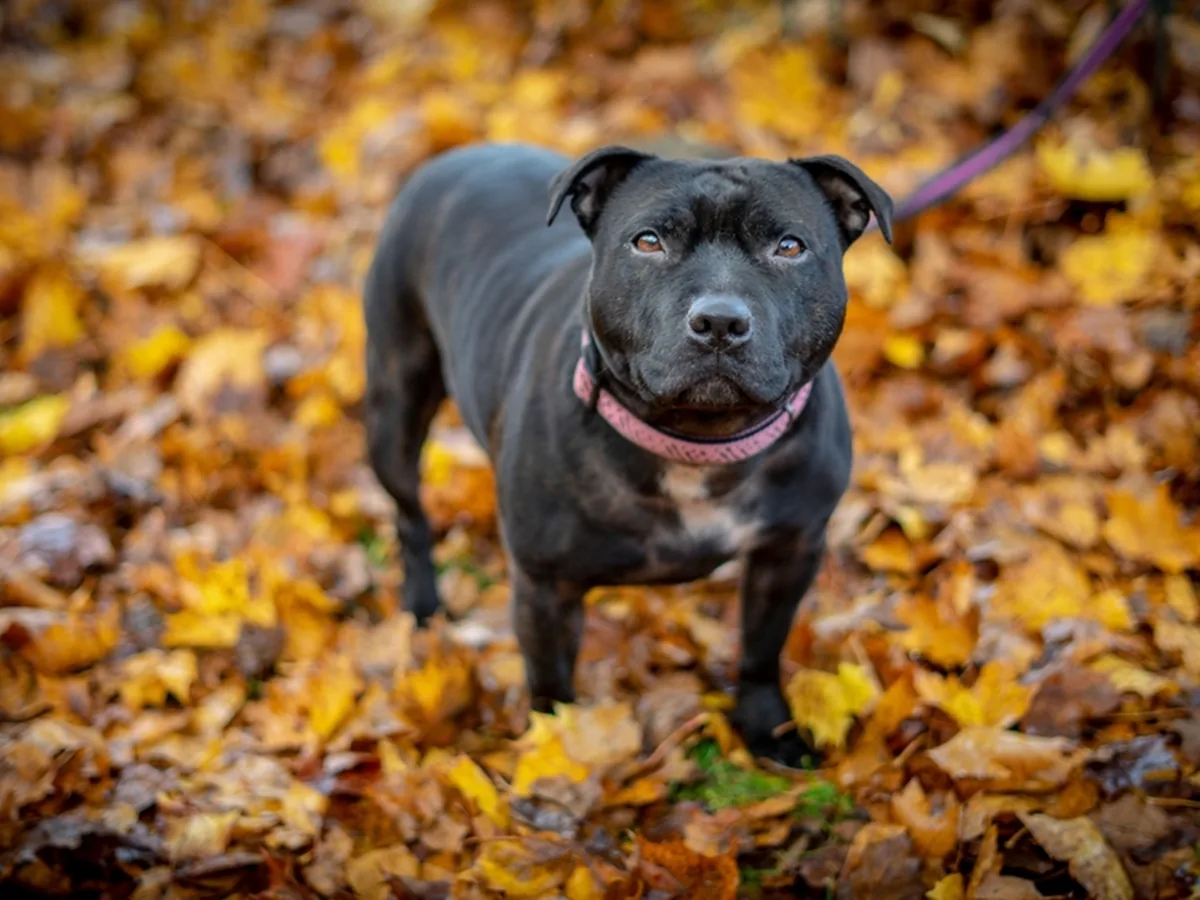
The catch is how breed is decided. In several states, a dog can be declared a "pit bull terrier", or a cross of one, based on how it looks, so a large Amstaff or a bull-breed cross can be caught up. Owners can object or appeal: in NSW, within 28 days of a council's notice, and in Victoria through the tribunal VCAT. Our Staffy vs Pitbull guide explains the differences in size and build, and the practical advice is simple: keep your dog's pedigree papers or a vet's breed certificate with its registration records.
Do breed bans work?
Australia's vets and the RSPCA say no. The Australian Veterinary Association says laws "should focus on the individual dog and the owner not the breed", and that breed-specific legislation "has failed to reduce the frequency of dog bites". The RSPCA "advocates that dogs should not be declared dangerous on the basis of breed or appearance". Every state and territory can also declare an individual dog dangerous because of its behaviour, whatever its breed.
We look at what the attack data does and doesn't show in Most dangerous dog breeds? What Australian bite data shows.
If you're thinking about a bull breed
- Be wary of "pit bull" puppies. Selling or giving away a restricted dog is an offence in most states, and supplying a prohibited dog is an offence in Queensland. A seller advertising pit bulls is a red flag.
- Choose a recognised breed from a registered breeder or a reputable rescue, and get the paperwork.
- Be honest about strength and training. Strong, muscular dogs need an owner who can hold them, train them consistently and socialise them early.
Also considering a larger Australian cross? Our Bull Arab guide covers temperament, size and how the Bull Arab compares with a Staffy.
Not sure a bull breed is right for your home? Our free dog match quiz weighs your experience, household and routine against more than 200 breeds, and our comparison tool puts the two Staffies side by side.
FAQs
Are pit bulls banned in Australia?
They can't be imported anywhere in Australia. In Queensland they're prohibited, with limited exceptions for dogs that already held a permit. In NSW, Victoria, WA, SA and Tasmania they're restricted: existing dogs can be kept under strict conditions but can't be sold or given away. The ACT has no restricted breeds.
Which dog breeds are banned in Australia?
The five breeds banned from import are the American Pit Bull Terrier (or pit bull terrier), Dogo Argentino, Fila Brasileiro, Japanese Tosa and Perro de Presa Canario. Most states restrict the same five.
Can I bring a pit bull into Australia from overseas?
No. The import ban is absolute for the five listed breeds.
Are Staffies banned in Australia?
No. Staffordshire Bull Terriers and American Staffordshire Terriers are legal everywhere, though a dog that looks like a pit bull can be assessed by a council. Keep its papers or a vet's breed certificate.
Is the XL Bully banned in Australia?
The American Bully isn't on the import ban list or any state's list. Some dogs could still be assessed against a pit bull standard. See our guide: Is the XL Bully legal in Australia?
Is the Cane Corso banned in Australia?
No. The Cane Corso isn't on the import ban list or any state's list, and Dogs Australia recognises it. Our Cane Corso guide covers its temperament, size and who it suits.
Sources and further reading
- Federal Register of Legislation: Customs (Prohibited Imports) Regulations 1956 (Schedule 1)
- Queensland Government: Regulated dogs and Animal Management (Cats and Dogs) Act 2008
- NSW Office of Local Government: Restricted dogs and control requirements
- NSW Office of Local Government: Companion Animals Act review
- Agriculture Victoria: Owning a restricted breed dog and Premier of Victoria: Breed-specific legislation to be overhauled (2016)
- WA legislation: Dog Act 1976
- Dog and Cat Management Board (SA): Prescribed breeds
- Tasmanian legislation: Dog Control Act 2000
- ACT City Services: Dangerous dogs
- Australian Veterinary Association: Breed-specific legislation policy
- RSPCA Knowledgebase: What is the RSPCA's view on breed-specific legislation?
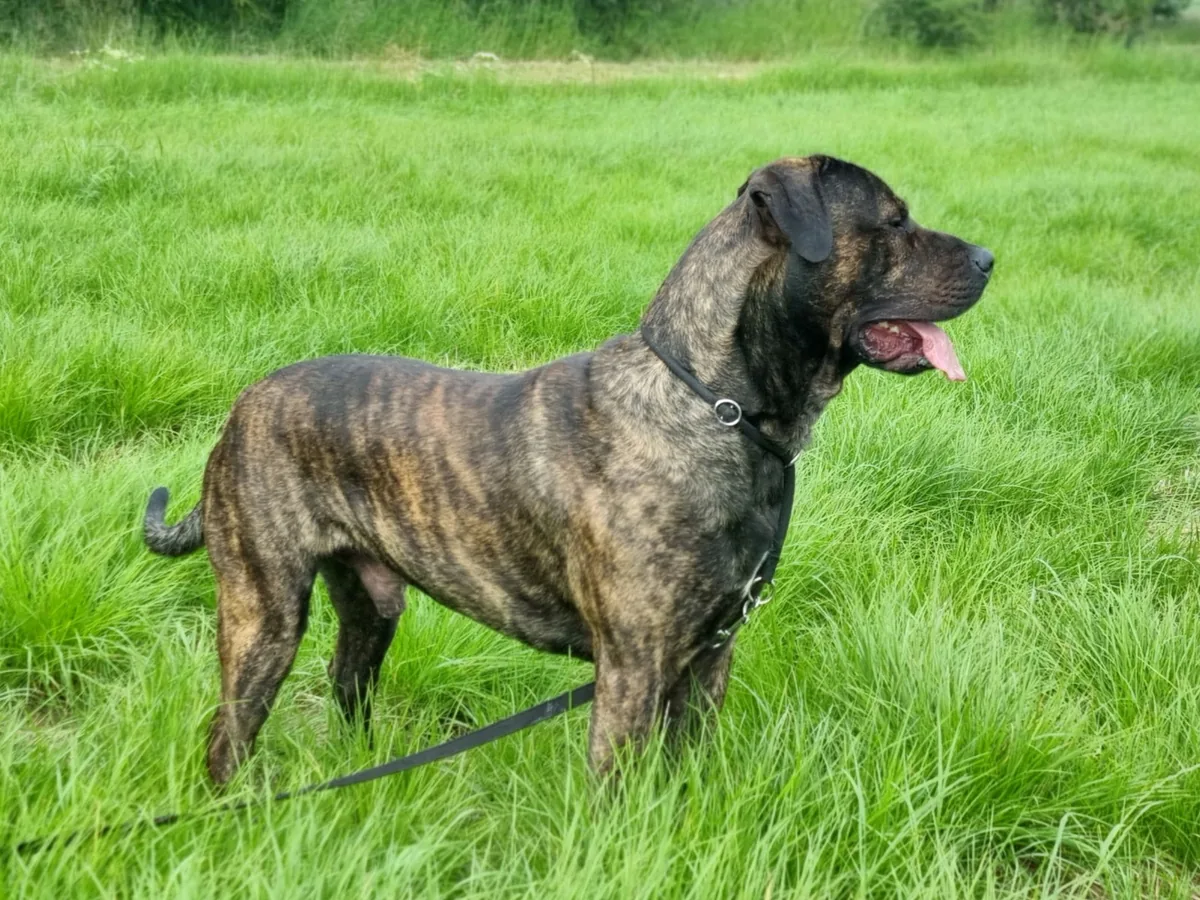
Cover photo: a Presa Canario on a lead. All photos: Shutterstock.
This article is general information, not legal advice. Restricted-breed laws differ between states and councils and can change. Rules checked November 2026.