

Short answer: the Bull Arab is a large Australian dog type developed in Queensland from the 1970s to hunt feral pigs. Many are loyal, affectionate family dogs, but they are big, strong and bred to chase. Compared with a Staffy, a Bull Arab can weigh two to three times as much and usually needs far more space, exercise and handling experience.
Most people don't meet a Bull Arab through a breeder. They meet one at a pound or rescue, often labelled "Bull Arab cross". That label can tell you less than you'd expect, so this guide covers what the dog was bred for, how it compares with a Staffy and an Amstaff, and who it really suits.
What is a Bull Arab?
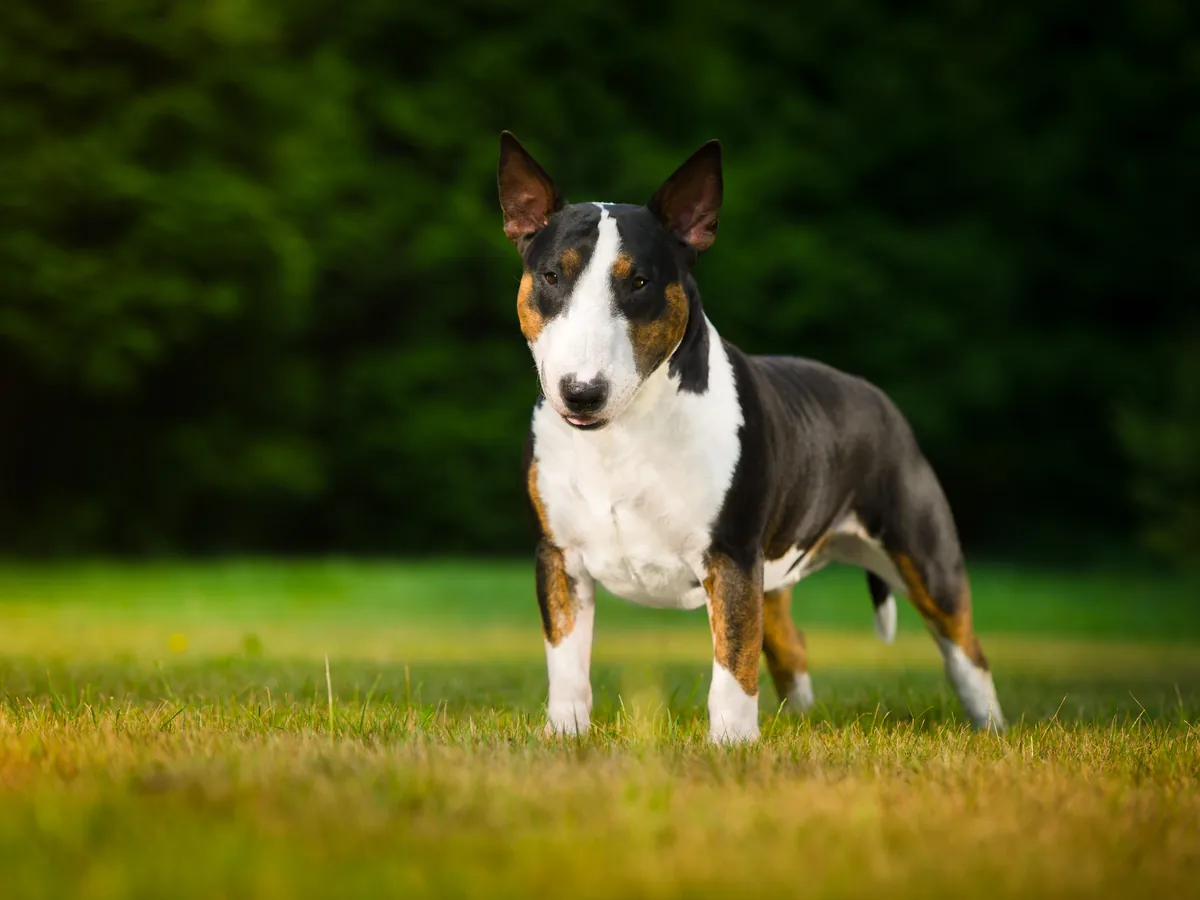
The Bull Arab is credited to Queensland breeder Mike Hodgens, who began working on the dogs around 1972. He wanted a dog that could find, chase and hold feral pigs in rough country.
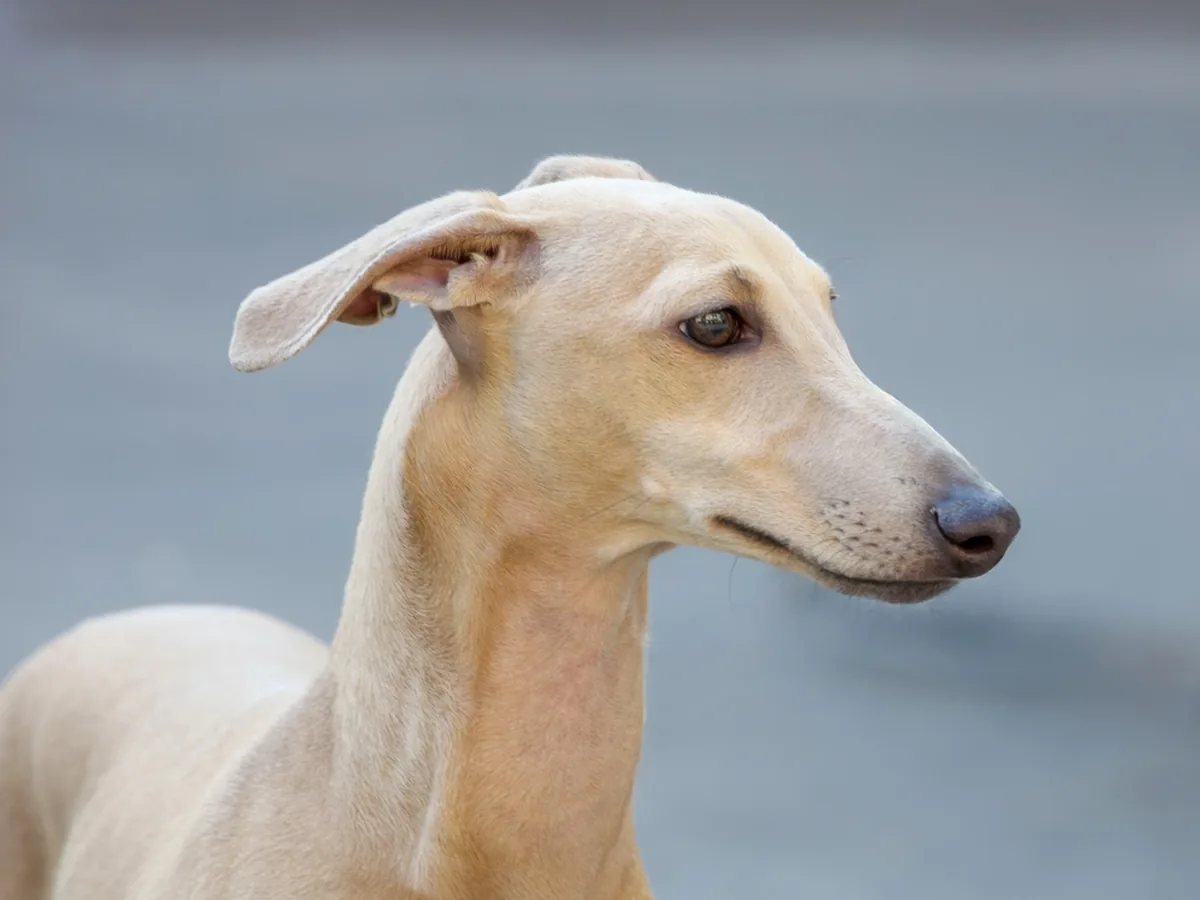
The usual account of the original mix is about 50% Bull Terrier, 25% Greyhound and 25% German Shorthaired Pointer. Even that is disputed. Some breeders say English Pointer was used instead, and later lines are said to have added Mastiff or Bloodhound.
Is the Bull Arab a recognised breed?
Not by the major kennel clubs, as far as we can find. A breeders' association formed in 2007 has published its own standard and aims for recognition by Dogs Australia, but the Bull Arab has no standard from Dogs Australia as the Staffy and Amstaff do.
In practice, "Bull Arab" describes a type of dog more than a fixed breed. Many dogs called Bull Arabs in shelters and the media are crosses that only loosely fit the type, so size and temperament can vary a lot. Assess the individual dog in front of you, not the label on the paperwork.
Bull Arab vs Staffy vs Amstaff
| Trait | Bull Arab | Staffy | Amstaff |
|---|---|---|---|
| Height | About 60–70 cm | 36–41 cm | About 43–48 cm |
| Weight | About 30–50 kg | 11–17 kg | No set weight; in proportion to height |
| Dogs Australia standard | No | Yes | Yes |
| Developed for | Hunting feral pigs | Descended from British bull-and-terrier dogs | A taller American line of those dogs |
| Biggest ownership challenge | Size, strength and the urge to chase | Energy and needing company | Strength and careful introductions to other dogs |
Bull Arab figures are ranges from Australian vet-reviewed guides. The breeders' standard, as widely reported, is narrower: 32–42 kg for males and 30–40 kg for females.
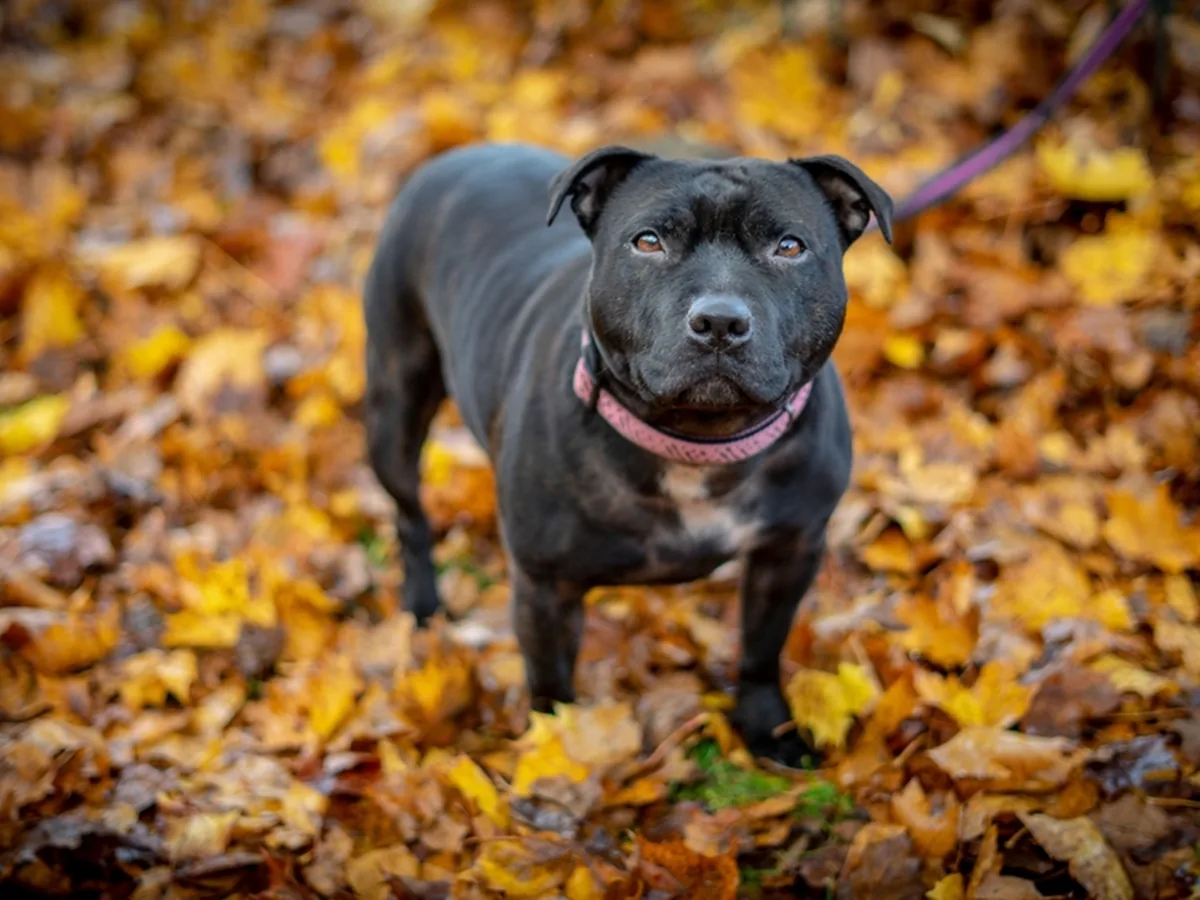
The size gap is the point to take seriously. A Staffy that lunges on the lead is a nuisance. A 40 kg dog with a chase instinct can pull an adult over. If you've had a Staffy and loved it, don't assume a Bull Arab will feel like a bigger version. It has a different job in its background.
For the difference between the two Staffy breeds, see our English vs American Staffy guide.
Bull Arab temperament
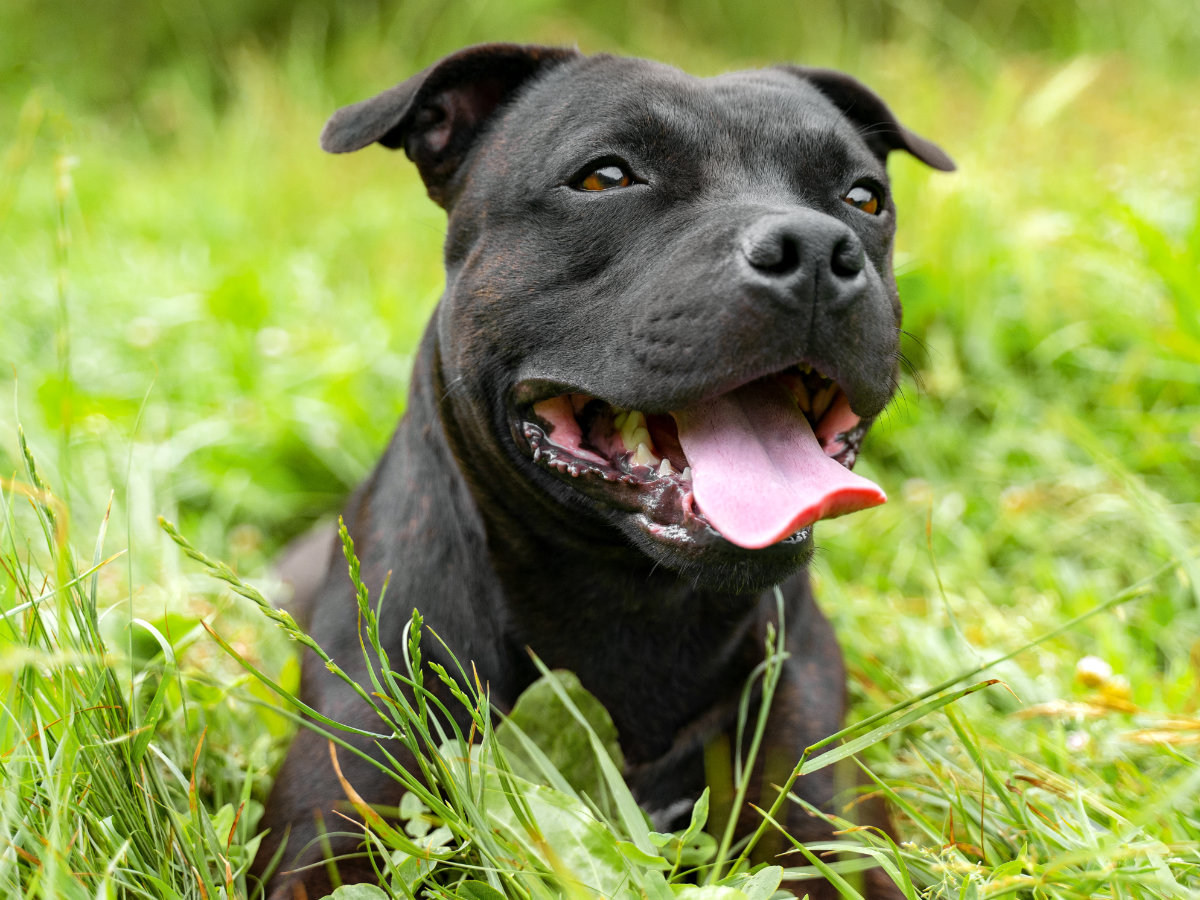
Vet-reviewed Australian guides describe Bull Arabs as loyal, affectionate and closely bonded to their people. The breeders' standard, as reported, asks for a kind, placid and intelligent dog that isn't aggressive towards people or other dogs. That's the goal for the type, not a promise about any one dog.
Two traits matter most when you're deciding:
- Prey drive. These dogs were bred to chase animals. Cats, rabbits and small wildlife may never be safe around some of them, even with training. Introductions should be slow and supervised.
- Independence. A dog bred to work ahead of its handler can be switched-on and hard to recall once it's onto something. A secure yard and a reliable lead routine are essential.
Breed alone doesn't make a dog dangerous. RSPCA Queensland says there is no scientific evidence that certain breeds are more dangerous than others. Size still changes the outcome when something goes wrong, which is why socialisation and training matter so much here. Our guide to what Australian bite data shows goes further.
Are Bull Arabs good family dogs?
They can be, in the right home. Lyka's vet-reviewed guide says they're best suited to families with older children, because of their size and strength. Even friendly play from a dog this big can flatten a toddler, and every dog should be supervised around children.
Look for a home with these things:
- At least 60–90 minutes of real exercise most days. One vet guide recommends one to two hours.
- A securely fenced yard, because a bored dog this athletic will test it.
- An owner who is confident handling a strong dog and will commit to reward-based training.
- No small pets, or a careful plan and a dog already assessed around them.
A Bull Arab is a poor fit for most apartments, for first-time owners who want an easy dog, and for anyone away from home for long stretches. If that's you, start with our first-time owner guide instead.
Lifespan and health
Vet guides give a lifespan of about 10–12 years or 12–15 years, so treat anything from 10 to 15 as normal. Without a single controlled breed, there's little solid health data. Commonly listed problems include hip dysplasia, skin allergies, ear infections and bloat, which is a life-threatening emergency. Keep your dog lean, and avoid hard running while a puppy's joints are still growing.
Are Bull Arabs banned in Australia?
The Bull Arab isn't one of the five breeds Australia bans from import. Restricted-dog rules are set by states and councils, though, and some dogs are assessed by their appearance. A muscular cross could attract questions, particularly if pit bull ancestry is suspected. Check with your council before adopting. Our guide to banned dog breeds in Australia has the rules for each state.
Thinking of adopting one?
Bull Arab crosses are common in Australian shelters. RSPCA Queensland has listed them among its top three surrendered mixed types, behind English and American Staffy crosses, and reported in 2019 that bull-type dogs waited over a month on average for a new home, about twice as long as other mixed breeds. A good rescue dog can be a great choice, and an adult dog lets you see its size and temperament up front.
Ask the rescue how the dog behaves around cats, small dogs and children, and whether it has been behaviourally assessed. Ask about any hunting history too. The RSPCA opposes recreational hunting and says dogs used to hunt pigs often suffer severe injuries, so check for old wounds and ask your vet to look the dog over.
Is a Bull Arab right for you?
Choose a Bull Arab if you have the space, the time and the handling experience, and you want a devoted, athletic dog with a real outdoor life. Choose a Staffy if you like the bull-breed personality in a much smaller package. An Amstaff sits between the two in size.
Not sure which fits your home? Take the free dog match quiz and compare breeds against your space, routine and experience.
Sources and further reading
- Wikipedia: Bull Arab
- Klement: History of Bull Arabs (from a 2009 interview with Mike Hodgens)
- Vets Love Pets: Bull Arab breed guide
- Lyka: Bull Arab breed guide (vet-reviewed)
- Dogs Australia: Staffordshire Bull Terrier breed standard
- Dogs Australia: American Staffordshire Terrier breed standard
- RSPCA Queensland: Breaking dog breed stigmas (2018)
- RSPCA Queensland: Adoptabull (2019)
- RSPCA Knowledgebase: What happens when dogs are used to hunt feral pigs?
- RSPCA Knowledgebase: What is the RSPCA's view on recreational hunting?
Cover photo: Wizzer, a registered Bull Arab, by Wa.railfan, via Wikimedia Commons, licensed under CC BY-SA 4.0. Other photos: Shutterstock.

This article is general information, not legal or veterinary advice. Dog laws differ between states and councils and can change. Checked November 2026; confirm the rules with your council before adopting.