
Short answer: an English Staffy and an American Staffy are not the same breed. In Australia, “English Staffy” usually means the Staffordshire Bull Terrier, while “American Staffy” or Amstaff means the American Staffordshire Terrier. They share ancestry and a muscular terrier build, but the Amstaff is taller and generally heavier.
For most households, the practical choice comes down to size, strength and the individual dog—not a promise that one breed will behave a certain way. Both need early socialisation, reward-based training and responsible management.
English Staffy vs American Staffy at a glance
| Trait | English Staffy | American Staffy |
|---|---|---|
| Official breed name | Staffordshire Bull Terrier | American Staffordshire Terrier |
| Height in the Dogs Australia standard | 36–41 cm | 43–46 cm (females); 46–48 cm (males) |
| Weight in the standard | 11–15.4 kg (females); 13–17 kg (males) | No fixed weight; weight should be proportionate to height |
| Build | Compact and powerful | Taller, longer-legged and powerful |
| Main ownership difference | More compact, but still strong and energetic | More dog to handle if lead manners or training slip |
Are an Amstaff and a Staffy related?
Yes. Both descend from British bull-and-terrier dogs, but they developed into separate breeds. The Staffordshire Bull Terrier was standardised in Britain as a compact dog. Related dogs taken to the United States were developed into a taller, heavier type that became the American Staffordshire Terrier. Dogs Australia publishes a separate breed standard for each.
Size is the clearest difference
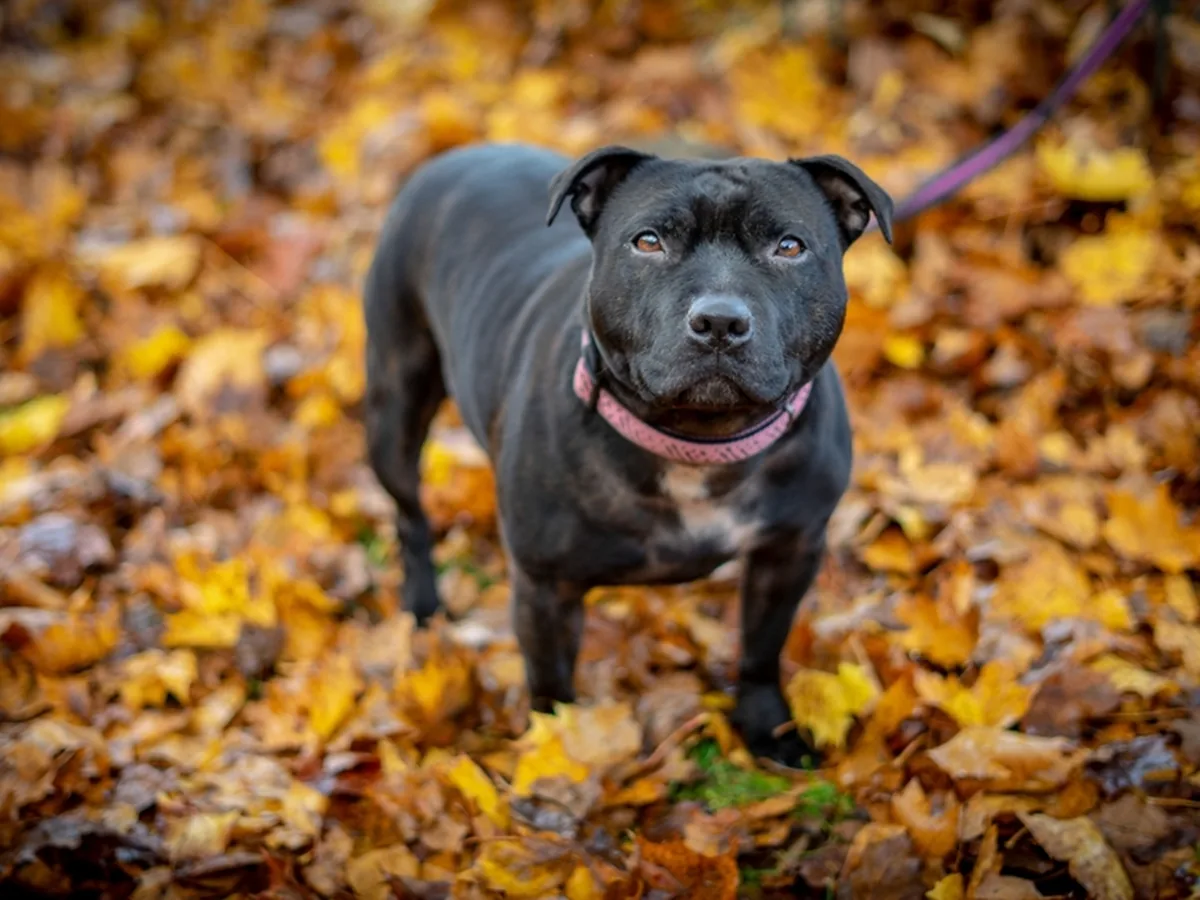
The Staffy standard calls for a height of 36–41 cm, with males weighing 13–17 kg and females 11–15.4 kg. The Amstaff standard gives preferred heights of 46–48 cm for males and 43–46 cm for females, with weight proportionate to height rather than a single prescribed range.
That difference matters in daily life. A well-trained dog of either breed can be manageable, but an adult Amstaff has greater reach and physical leverage. Secure fencing, calm lead skills and consistent household rules matter from puppyhood.
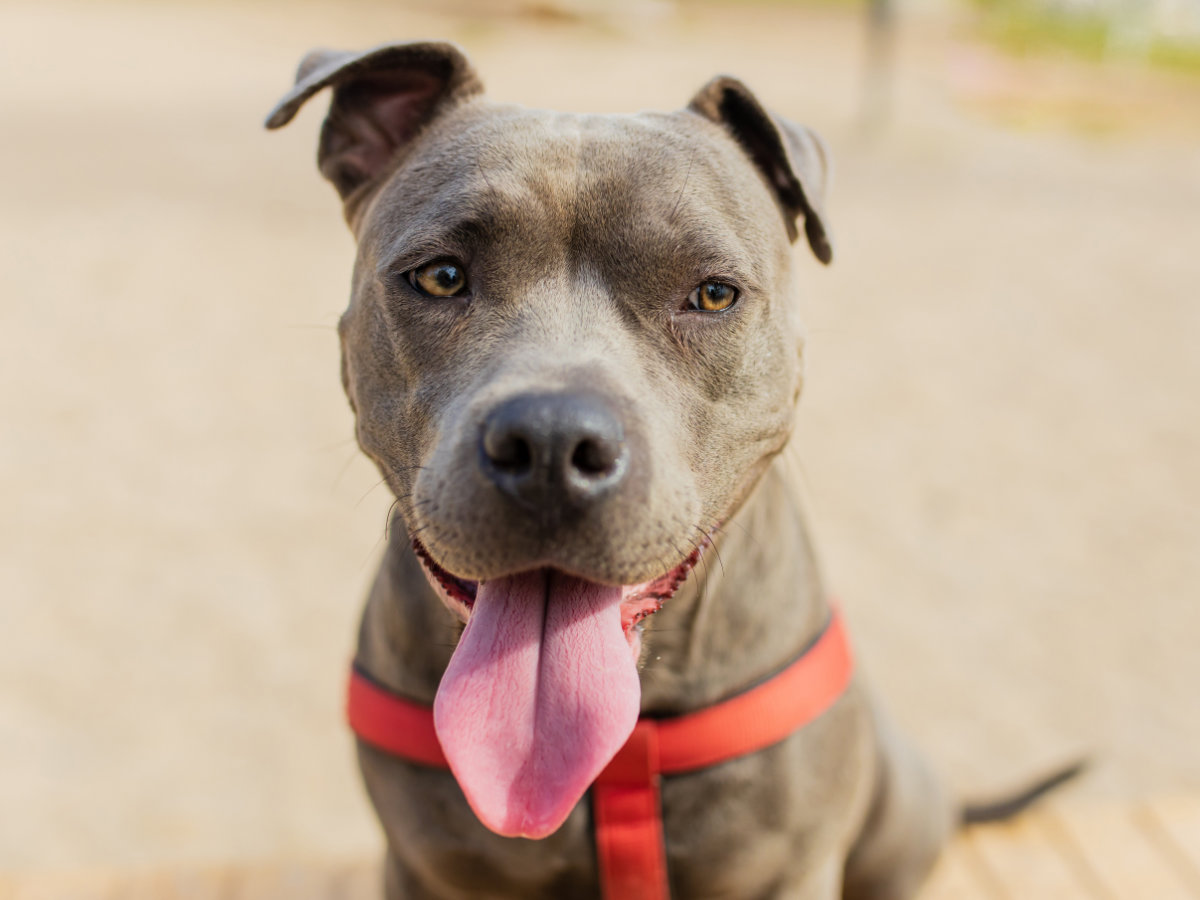
Temperament and family life
Breed standards describe both dogs as confident and affectionate with people, but a breed label cannot guarantee an individual dog's temperament. Genetics, early experiences, socialisation, health and training all influence behaviour.
The old “nanny dog” label is not a safety standard. Children should be actively supervised with every dog, and adults should teach both the child and dog how to interact calmly. Size is relevant too: even friendly play from a powerful dog can knock over a small child.
Dog-to-dog sociability also varies. Ask a breeder or rescue for evidence about the individual dog's history, and use careful introductions rather than assuming either breed will—or will not—accept another pet.
Exercise and training
Both are athletic terriers that need purposeful daily exercise, play and mental work. Neither is well served by being left in a yard as its main activity. Reward-based training, loose-lead practice and impulse-control exercises are especially useful because both breeds are strong.
A Staffy may be easier to fit physically into a smaller home, but floor area does not replace exercise or enrichment. An Amstaff owner should be comfortable handling a larger dog and should start polite walking and visitor routines early.
Are Staffies or Amstaffs “pit bulls” in Australia?
Names are often used loosely online, but the Staffordshire Bull Terrier, American Staffordshire Terrier and American Pit Bull Terrier are not interchangeable breed names. The Australian Government lists the American pit bull terrier or pit bull terrier among the pure breeds prohibited from import. Domestic restricted-dog rules and identification processes are set separately by states, territories and local councils and can change.
Do not rely on appearance or social-media advice for a legal decision. Before adopting or moving with either dog, check the current rules with your state or territory authority and your local council.
Which one is right for you?
Consider the Staffordshire Bull Terrier if you want the more compact dog and can still provide active training, daily exercise and careful socialisation.
Consider the American Staffordshire Terrier if you are prepared for a taller, more powerful dog and have the handling skills, secure environment and time to train it consistently.
If this would be your first dog, also read our first-time owner guide. Or take the dog breed quiz to compare both breeds with your actual home, activity level and experience.