
Short answer: no reliable data proves that any one breed is "the most dangerous". Australian councils do record which breeds are reported in attacks. In NSW, the breeds named most often are popular, medium-to-large dogs such as the American Staffordshire Terrier, Staffordshire Bull Terrier, Australian Cattle Dog and German Shepherd. But those are counts, not risk rates. The largest single group in the same report is dogs whose breed wasn't identified at all. Research points to the dog's size, upbringing and management, and especially supervision around children, as better predictors of a serious bite than breed.
That isn't a dodge. It's what the data and Australia's vets say, and it matters if you're choosing a dog for a family. Here's what the numbers show, what they can't show, and what actually lowers the risk.
What the NSW attack data shows
NSW publishes regular statewide dog attack figures that include breed. Councils report dog attack incidents to the Office of Local Government, which releases a report each quarter. The latest available when we checked covers 1 April to 30 June 2026. It records 1,203 reported dog attack incidents, with victims including 681 adults, 106 children (up to 16 years) and 618 other dogs.
The report's definition is broad: an attack "can include any incident where a dog rushes at, attacks, bites, harasses or chases any person or animal". Of the people involved, 335 had no injury, 200 a minor injury, 177 needed medical treatment and 75 were hospitalised. No one died in that quarter.
| Breed as recorded | Attacking dogs recorded |
|---|---|
| Breed not identified | 354 |
| American Staffordshire Terrier | 225 |
| Staffordshire Bull Terrier | 76 |
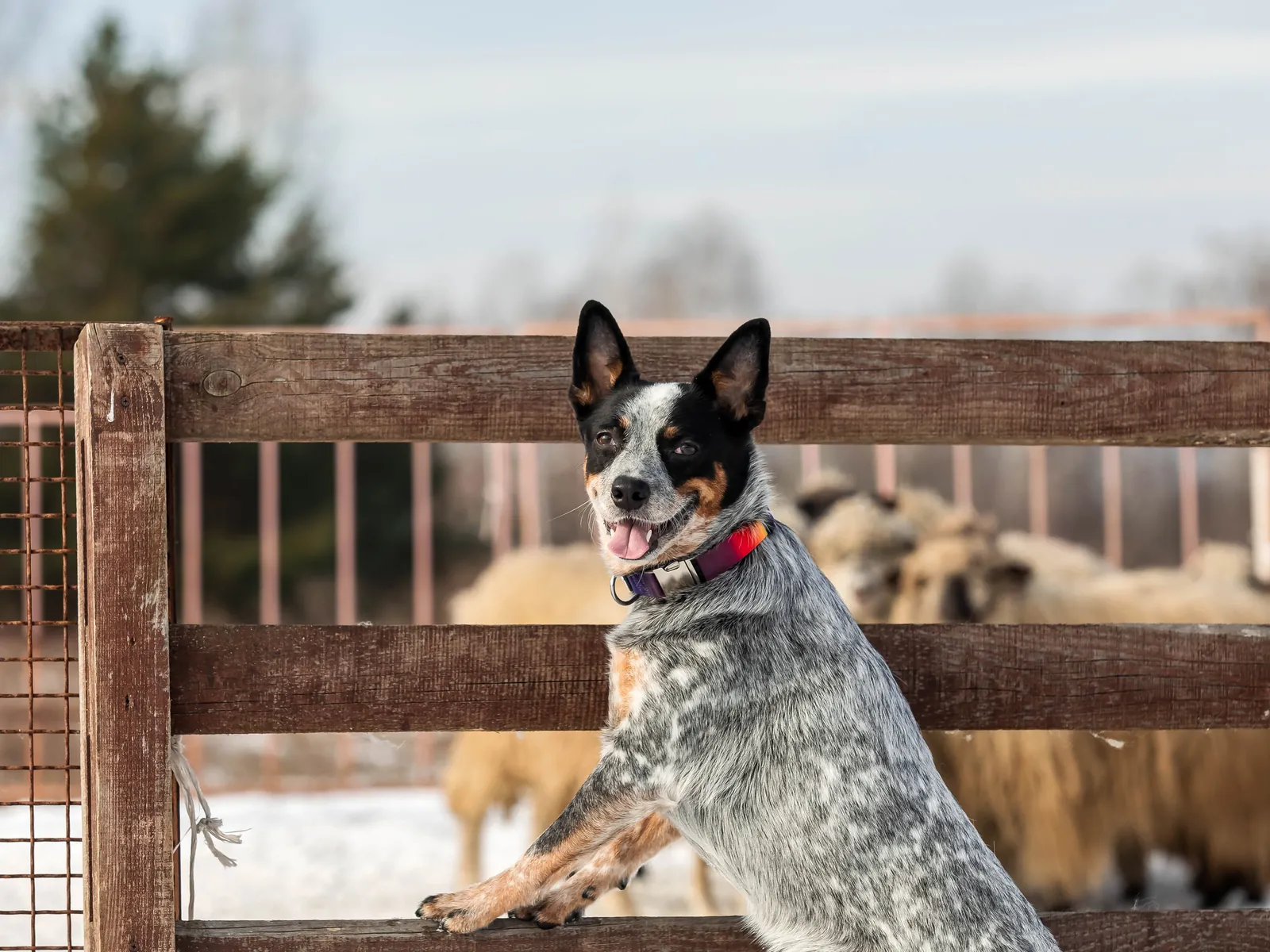
| Australian Cattle Dog | 73 |
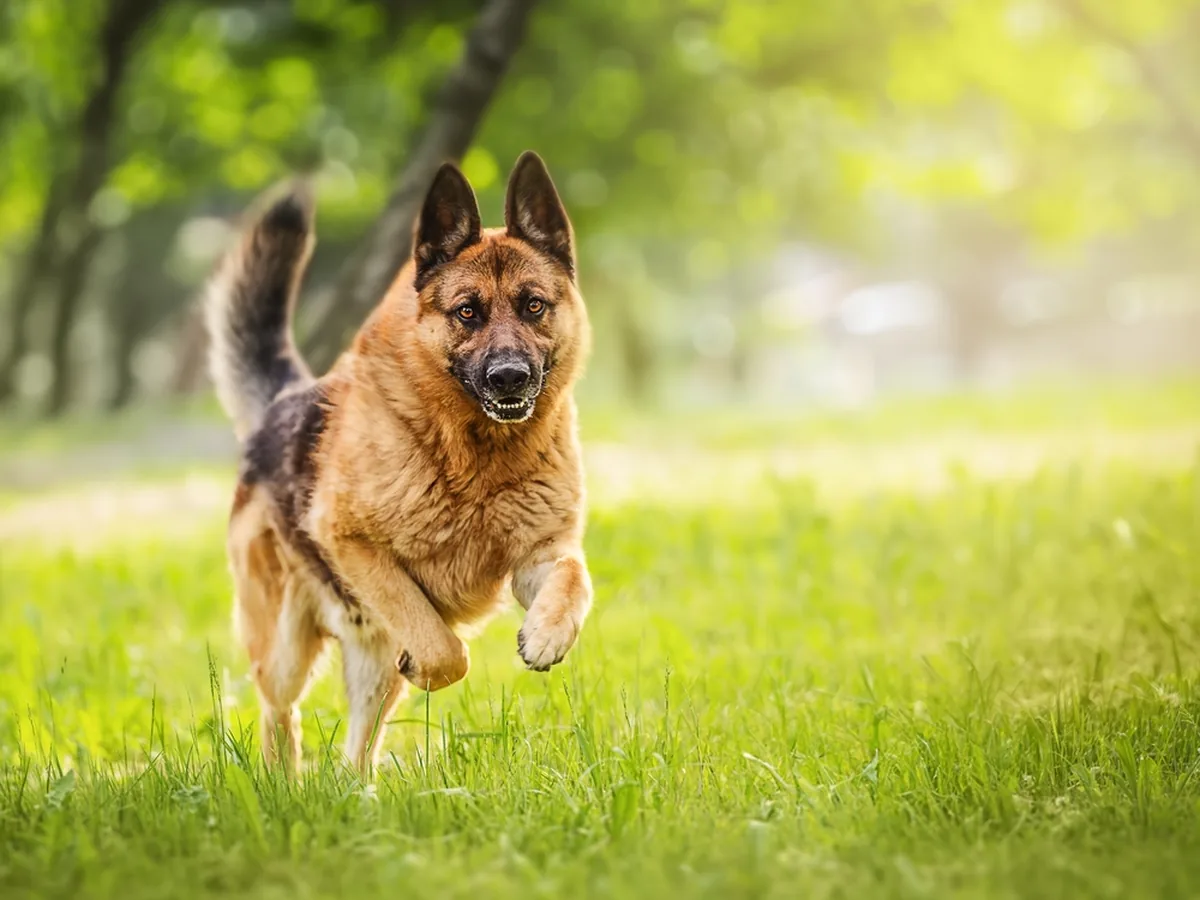
| German Shepherd Dog | 70 |
| Rottweiler | 29 |
| Australian Kelpie | 24 |
| Border Collie | 23 |
| French Bulldog | 18 |
| Labrador Retriever | 14 |
| Siberian Husky | 14 |
Source: NSW Office of Local Government, dog attack incidents reported by councils, 1 April to 30 June 2026. Counts of attacking dogs as recorded by councils (purebred and cross-bred entries for the same breed are shown separately in the report). The report notes that the figures "include attacks on people and animals" and that only the top 20 breeds are reported.
Why that table doesn't rank "dangerous" breeds
It's tempting to read that list as a league table of risky dogs. It isn't one, for four reasons.
- It counts, it doesn't compare. The report doesn't say how many of each breed live in NSW. A very common breed will appear more often even if each individual dog is no riskier, and the report can't tell you whether that's what is happening.
- Breed is usually a guess. The breed is whatever was recorded about the dog, not a DNA result. In a US study of 120 shelter dogs, staff identified dogs with pit bull-type DNA as pit bulls "only 33 to 75 percent of the time", and labelled dogs with no such DNA as pit bull-type "from 0 to 48 percent" of the time.
- The biggest group has no breed. 354 attacking dogs were recorded as "breed not identified", more than any named breed.
- It mixes very different incidents. A dog chasing a cat and a serious bite on a child both count as one attack, and the table doesn't split breeds by victim or severity.
Older Australian hospital studies named different breeds again, including German Shepherds, Dobermanns and Rottweilers, which shows how much the "worst breed" changes with when, where and how the data was collected.
What hospital data says
The Australian Institute of Health and Welfare (AIHW) counted 9,542 injury hospitalisations related to dogs in 2021–22, and says "1 in 4 injuries (2,384 cases) occurred in homes". Most were open wounds, nearly half involved the wrist or hand, and adults aged 25–64 made up most admissions. With about 5 million pet dogs in Australia, serious injuries are rare for any one dog, but they add up across the country.
A Queensland study of children's dog bites, published in the Medical Journal of Australia, found that "88% occurred in the home environment" and "Most attacks (92%) occurred in a setting familiar to the child". In 63% of cases the child had physically interacted with the dog just before the bite. On breed, the authors were blunt: "No one breed stands out" and "It is clear that all breeds bite".
What actually predicts a serious bite
The American Veterinary Medical Association (AVMA) reviewed the research on breed and bite risk, mostly from the US. It found that the factors reliably linked to serious bites are "the victim being a young child and the dog being familiar". Dog size matters for how bad an injury is: small dogs "may be more aggressive" but are "less likely to inflict serious bite injury", while larger dogs of any breed cause more serious injuries. The review also points to how dogs are managed, including desexing, whether a dog is chained up, and how closely children are supervised.
For balance, the same review notes that in the much smaller group of severe or fatal attacks, pit bull-type dogs are identified more often. It adds that this "may relate to the popularity of the breed", reporting bias and how the dog was treated by its owner. Genetics does play some part in behaviour, which is why working and guarding breeds can need more experienced handling. Our Cane Corso guide looks at one guardian breed in detail.
Australian vets reach the same conclusion. The Australian Veterinary Association says dog bite laws "should focus on the individual dog and the owner", and that breed-specific legislation "has failed to reduce the frequency of dog bites". The RSPCA says "dogs should not be declared dangerous on the basis of breed or appearance".
What this means if you're choosing a dog
Breed still matters when you choose a dog, just not in the "dangerous or safe" way that lists suggest. Breed tells you about size, strength, energy, guarding instinct and how much training a dog is likely to need. Those are what decide whether a dog suits your household.
- Be honest about strength. A 40 kg dog that pulls, guards or chases is a different job from a 10 kg one. If you can't physically hold the dog on a lead, it's the wrong dog for you, whatever its breed.
- Match the dog to your experience. Guarding and working breeds such as Rottweilers, German Shepherds and Cattle Dogs can be wonderful, but they need consistent training and a job. Our best dogs for first-time owners guide lists easier starting points.
- Plan for children. Most bites to children happen at home with a dog they know. Choose a dog that suits your family's routine, and never leave young children and dogs together unsupervised. See our best dogs for families with kids.
- Socialise and train early. Puppy classes, reward-based training and plenty of calm exposure to people and other dogs are some of the best protection there is.
- Desex, register and contain. The RSPCA lists registration, desexing and keeping dogs from roaming among evidence-based ways to reduce attacks. A secure yard prevents many rushes at people and other dogs.
If you're weighing up a bull breed, our Staffy vs Pitbull and English Staffy vs American Staffy guides cover size, temperament and Australian law. And if you're not sure which dog suits your home, our free dog match quiz weighs your experience, household and routine against more than 200 breeds.
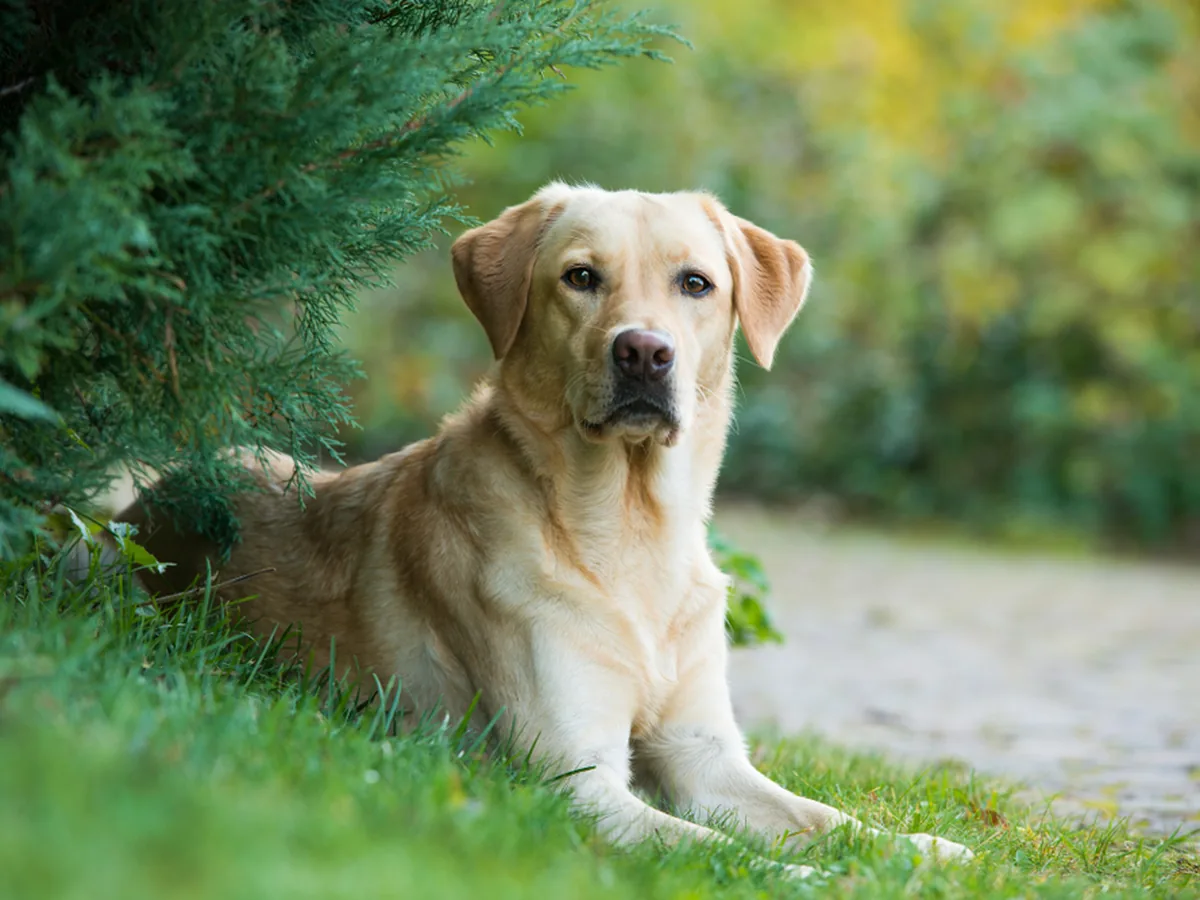
Keeping children safe around any dog
The Victorian Government's advice starts with "Every dog is capable of biting." Practical rules from Australian safety and RSPCA guidance:
- Actively supervise every interaction between young children and dogs. If you can't supervise, separate them with a gate or door.
- Teach children not to hug, kiss, climb on or pull at dogs, and to leave dogs alone when they're eating, sleeping or have a toy.
- Give your dog a quiet space it can retreat to, and make it off-limits to children.
- Learn the warning signs: a dog that freezes, turns its head away, shows the whites of its eyes, licks its lips or growls is asking for space.
FAQs
What is the most dangerous dog breed in Australia?
There's no reliable answer. NSW council data names popular breeds such as the American Staffordshire Terrier most often, but it counts reports without adjusting for how common each breed is, and breeds are often misidentified. Vets and the RSPCA say breed alone is a poor predictor of a dog's behaviour.
Which dog breed bites the most?
In NSW, the breeds reported most often are medium and large breeds such as the American Staffordshire Terrier, Staffy, Cattle Dog and German Shepherd, but the reports don't adjust for how many of each breed are kept. Small dogs bite too, but their bites are less likely to cause serious injury.
Are Staffies dangerous?
Staffies and American Staffies appear often in NSW attack reports, but the reports don't show how many of each breed are kept, so they can't show that an individual Staffy is riskier than another dog. Many are gentle family dogs. Like any strong dog, they need training, socialisation and supervision around children and other dogs.
Are Rottweilers or German Shepherds dangerous?
Both are large, powerful breeds originally bred to guard or work, so a poorly trained one can cause serious injury. Well-bred, well-socialised and well-trained dogs of both breeds are reliable companions for experienced owners.
Do breed bans reduce dog attacks?
Australia's vets say no. The Australian Veterinary Association says breed-specific legislation "has failed to reduce the frequency of dog bites" and that laws should focus on the individual dog and owner. Australia still restricts some breeds; see our guide to banned dog breeds in Australia.
Sources and further reading
- NSW Office of Local Government: Dog attack reports (quarterly report, 1 April to 30 June 2026)
- AIHW: Contact with animals, common pets (2021–22 data)
- Medical Journal of Australia: Dog bites in Australian children (2011)
- AVMA: Dog bite risk and prevention, the role of breed
- University of Florida via ScienceDaily: Shelter staff inconsistent in identifying pit bull-type dogs (Olson et al., The Veterinary Journal, 2015)
- Australian Veterinary Association: Breed-specific legislation policy
- RSPCA Knowledgebase: What is the RSPCA's view on breed-specific legislation?
- Victorian Government, We Are Family: Every dog is capable of biting
- RSPCA Queensland: Preventing dog bites
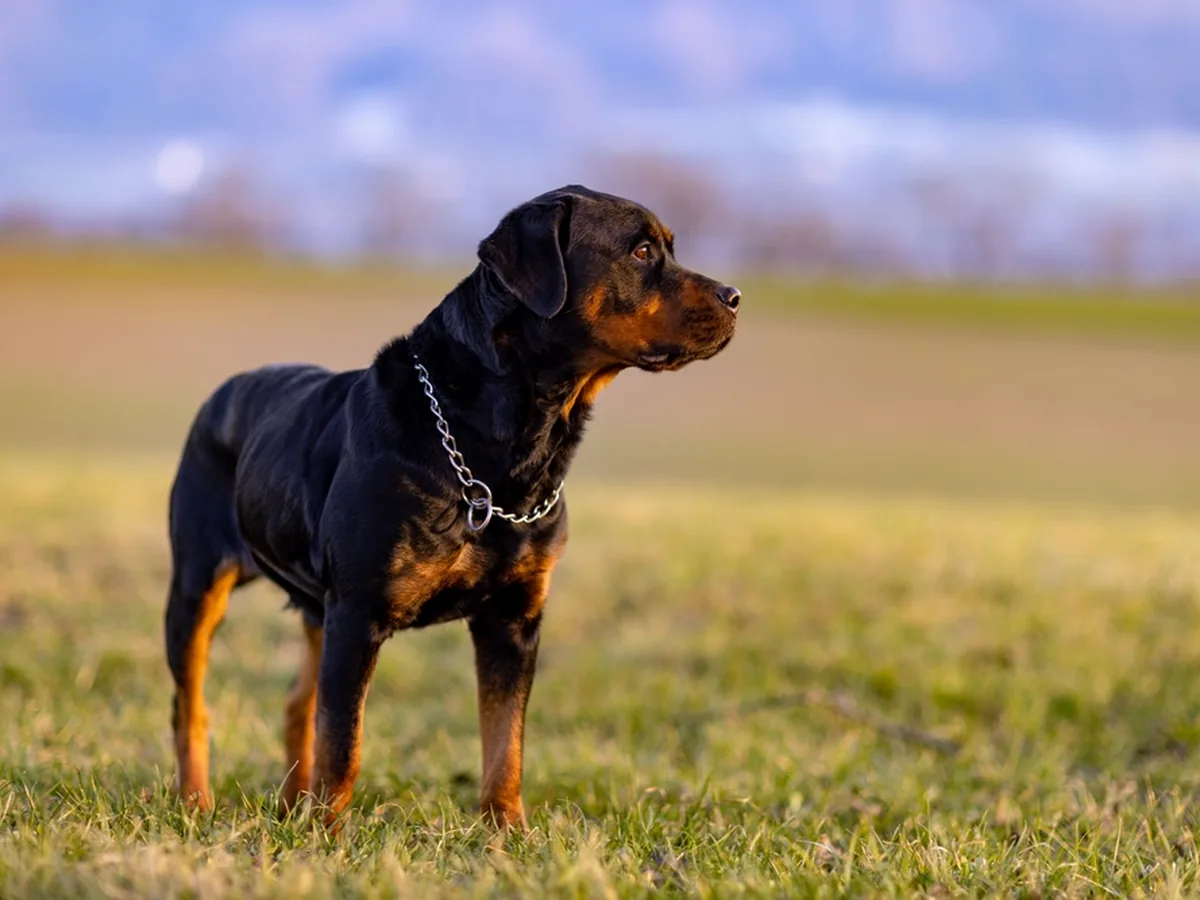
Cover photo: a Rottweiler in a field. All photos: Shutterstock.
This article is general information about published data, not a safety assessment of any individual dog. Figures are as published at November 2026. If you're worried about a dog's behaviour, talk to your vet or a qualified behaviourist.