
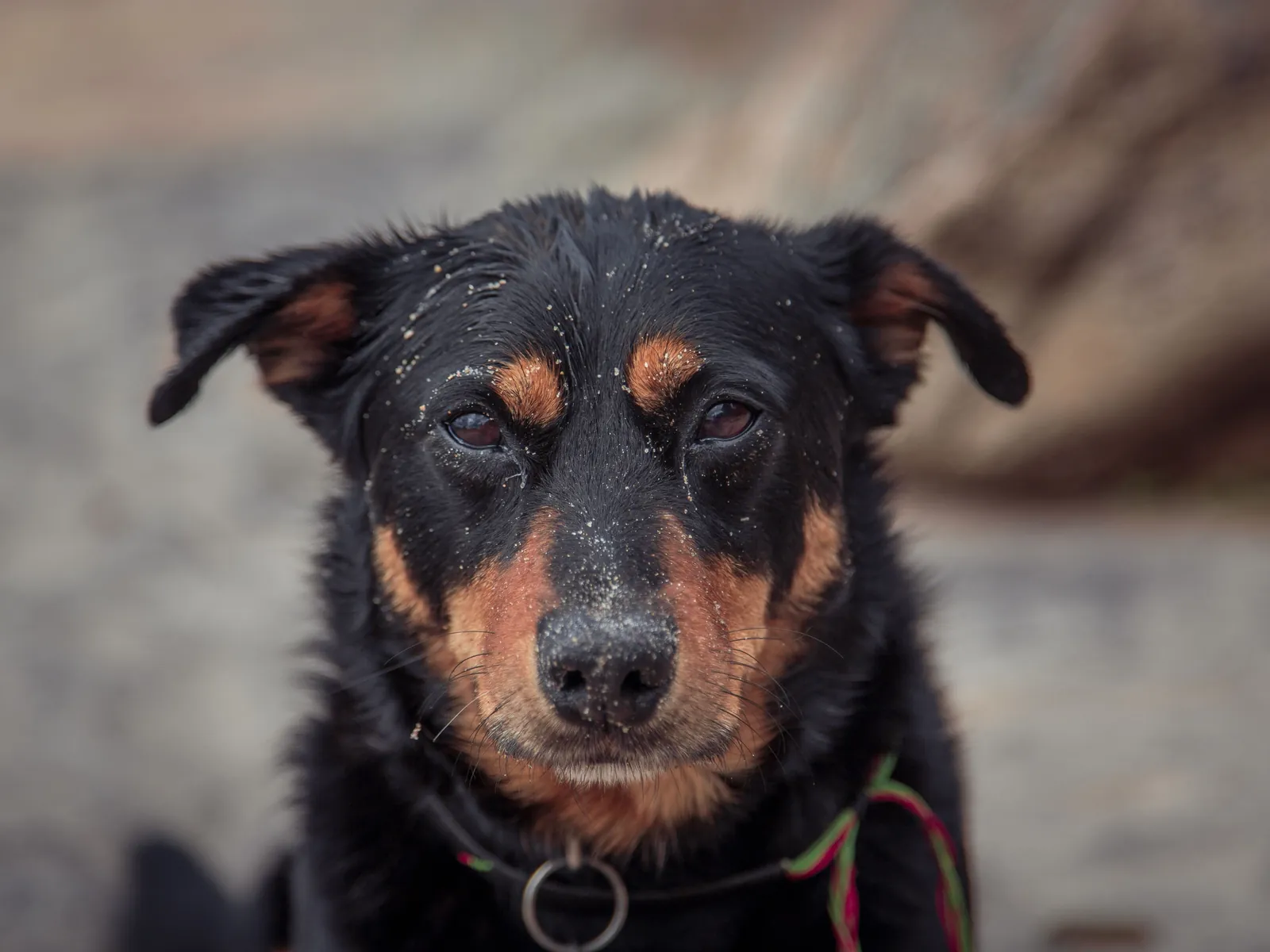
The Australian Kelpie was built for one thing: work. Specifically, mustering sheep across vast, sun-hammered paddocks where the nearest shade is a rumour and the flock numbers in the hundreds. They're 14–20 kg of concentrated purpose, standing 43–51 cm tall, and they move like the ground owes them a favour — fast, low, tireless, with a turning circle that would embarrass a sports car. Everything about them is functional. The lean frame, the pricked ears scanning for cues, the intense gaze that can pin a stubborn merino from thirty metres. Nothing decorative here.
That energy rating isn't a suggestion — it's a warning. A Kelpie without a job doesn't relax; it improvises. Herding children, rearranging furniture, doing laps of the yard at a velocity that suggests a personal vendetta against stillness. They are staggeringly easy to train in the sense that they learn things almost instantly, but they also learn things you didn't intend to teach, file them away, and deploy them at inconvenient moments. They watch everything. They remember everything. They're the dog equivalent of that coworker who reads every email chain and never forgets a detail.
With family, they're devoted and present without being soppy about it. Around kids, they're decent but may default to herding mode, which involves nipping at heels — charming with livestock, less so with a five-year-old. The coat is mercifully low-maintenance: a quick brush sorts it, though twice a year they shed with a generosity that'll leave tumbleweeds of fur drifting through your hallway. They can coexist with other pets and kids, though the instinct to round things up never fully switches off. Apartment life is technically possible if you're committed to serious daily exercise, but it's a bit like keeping a marathon runner in a phone booth.
Think of these dogs as your work bestie, but ensure that there is work to do. If you do, you've have a loving, loyal and happy friend for life.