
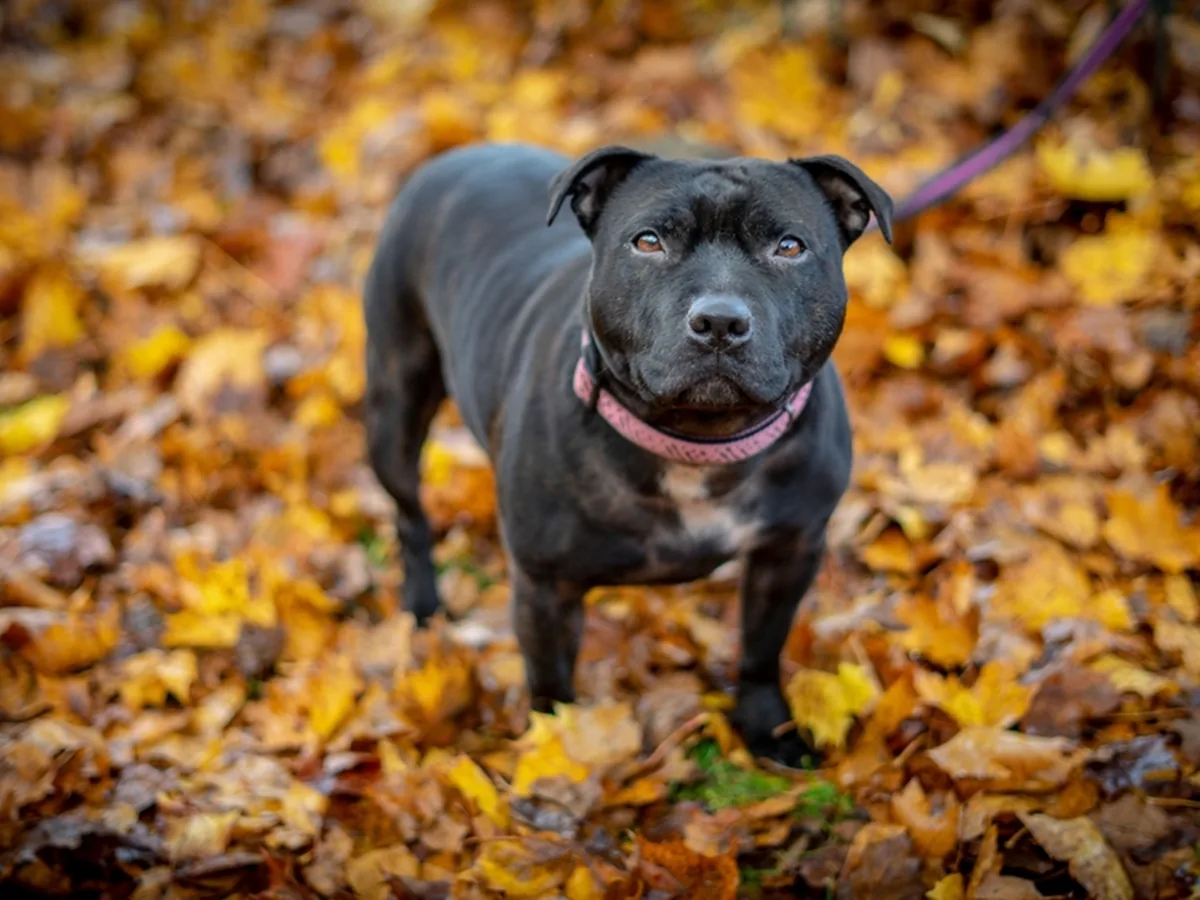
Short answer: in Australia, a "Staffy" is usually the Staffordshire Bull Terrier: a compact, recognised breed standing 36–41 cm and weighing 11–17 kg, and one of the country's most popular family dogs. A "Pitbull" usually means the American Pit Bull Terrier, a taller, heavier dog that Dogs Australia doesn't recognise and that is banned from import and restricted or prohibited under state laws, including in NSW, Victoria and Queensland. The two share bulldog-and-terrier ancestry, but they're different breeds, with very different legal status here.
The confusion is understandable. "Pitbull" is often used loosely for any muscular, broad-headed dog, and the American Staffordshire Terrier (the "American Staffy") sits in between. This guide explains the three dogs, how they differ, and what the law means if you own or plan to buy one.
Staffy vs American Staffy vs Pitbull at a glance
| Staffy (Staffordshire Bull Terrier) | American Staffy (Amstaff) | Pitbull (American Pit Bull Terrier) | |
|---|---|---|---|
| Height | 36–41 cm | Dogs about 46–48 cm, bitches about 43–46 cm | Males about 46–53 cm, females about 43–51 cm |
| Weight | Dogs 13–17 kg, bitches 11–15.4 kg | In proportion to height (no weight given) | Males about 16–27 kg, females about 14–23 kg |
| Temperament (breed standard) | "Bold, fearless and totally reliable" | "Keenly alive to his surroundings. His courage is proverbial" | "Strength, confidence, and zest for life" |
| Recognised by Dogs Australia | Yes | Yes | No |
| Legal status in Australia | Unrestricted | Unrestricted (keep papers or a vet certificate) | Can't be imported; restricted or prohibited under state laws |
Staffy and American Staffy figures are from the Dogs Australia breed standards (the American Staffordshire Terrier standard gives no weight). Pit Bull figures are from the United Kennel Club (UKC) standard, converted from inches and pounds. Legal status is summarised from state government pages in October 2026; check with your council.
Three names that get mixed up
- Staffy (Staffordshire Bull Terrier): the English Staffy. A medium-sized British breed, recognised by Dogs Australia, and legal to own everywhere in Australia.
- American Staffy (American Staffordshire Terrier, or Amstaff): a taller American breed, also recognised by Dogs Australia. We compare it with the English Staffy in English Staffy vs American Staffy.
- Pitbull (American Pit Bull Terrier): recognised by the UKC in the United States but not by Dogs Australia. In everyday speech "pitbull" also gets used for almost any stocky, short-coated dog, which is where the trouble starts.
All three trace back to 19th-century crosses between bulldogs and terriers in Britain. The UKC standard says breeders in England, Ireland and Scotland began to "experiment with crosses between Bulldogs and Terriers", and the crosses were later taken to the United States. The breeds then went separate ways, and the American lines were bred taller and heavier.
Size: the clearest physical difference
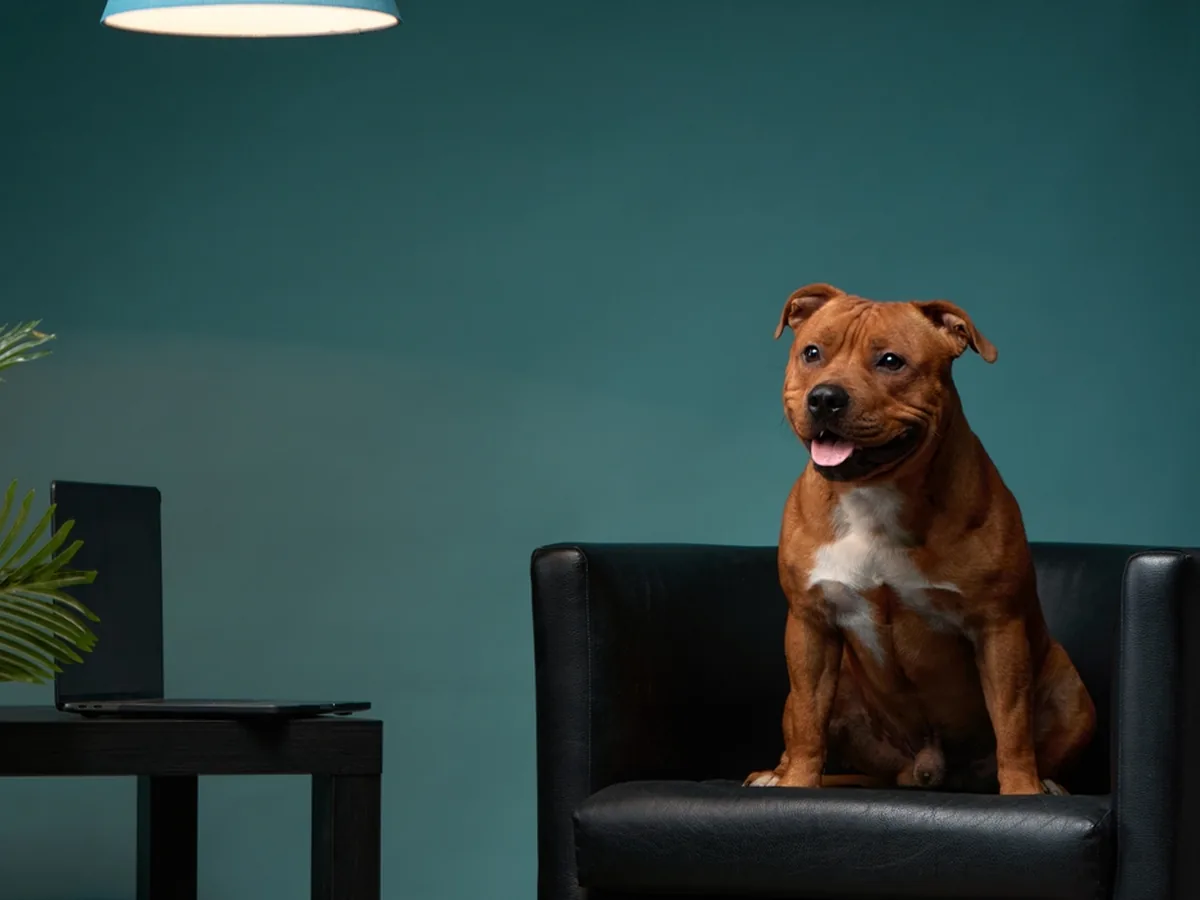
A Staffy is short and compact. The Dogs Australia standard asks for 36–41 cm at the shoulder, with dogs weighing 13–17 kg and bitches 11–15.4 kg. Picture a dog roughly knee-high on an adult.
The American Staffordshire Terrier is noticeably taller, around 43–48 cm, and its standard says only that "height and weight should be in proportion". The UKC's American Pit Bull Terrier standard is taller again and much heavier at the top end: about 46–53 cm and 16–27 kg for males, 43–51 cm and 14–23 kg for females. The UKC adds that balance matters more than exact numbers.
So a 14 kg dog that stands 38 cm tall is very likely to be a Staffy or Staffy cross. Size alone doesn't settle a borderline case, though, as the next sections explain.
Temperament: more alike than the reputations suggest
The Staffy has a strong reputation as a family dog. Its Dogs Australia standard calls it "bold, fearless and totally reliable" and "highly intelligent and affectionate especially with children". The American Kennel Club describes it as a "mild, playful companion with a special feel for kids".
The UKC describes the American Pit Bull Terrier's essential characteristics as "strength, confidence, and zest for life", and says the breed has "always been noted for their love of children". It also notes that most show some aggression towards other dogs, so owners need to socialise and train them.
That last point applies to all three. These are strong, determined terriers bred from fighting stock. Many are gentle with people yet intolerant of other dogs, and every one of them needs early socialisation, consistent training and an owner who can physically manage a powerful dog on a lead. Individual temperament varies far more than any breed description.
What Australian law says
This is where the two dogs really part company. Laws differ by state and change over time, so treat this as a starting point and confirm the rules with your local council.
- Import ban (national): the American Pit Bull Terrier is one of the breeds that cannot be imported into Australia under the Customs Act 1901, along with the Japanese Tosa, Dogo Argentino, Fila Brasileiro and Perro de Presa Canario.
- NSW: the Office of Local Government lists the "American pitbull terrier or pitbull terrier" as a restricted dog. Owners must register the dog and pay an annual permit fee through their council, and it is an offence to "sell, advertise for sale, give away, or transfer ownership" of a restricted dog.
- Queensland: the American pit bull terrier or pit bull terrier is a prohibited breed. The Queensland Government says a person "must not own or be responsible for a prohibited breed unless they have a reasonable excuse", and it is also an offence to supply one or take one for breeding.
- Victoria: restricted breed dogs are regulated under the Domestic Animals Act 1994. A dog can be declared a restricted breed if it is one, or fits Victoria's approved standard. American Staffordshire Terriers are exempt if the owner has the right certificate.
Other states and territories have their own restricted-breed rules. The Staffordshire Bull Terrier and the American Staffordshire Terrier are not on the restricted lists.
Why lookalikes can get caught up
Because "pitbull" is partly a description of appearance, a Staffy cross or an Amstaff can be mistaken for a pit bull. The RSPCA argues that "'pit bull' is not a recognised pure breed", that "DNA testing is not possible because these dogs do not share a genetic signature", and that dogs "should not be declared dangerous on the basis of breed or appearance". It opposes breed-specific laws and favours assessing each dog's actual behaviour.
Victoria's tribunal (VCAT) has also struggled with appearance-based identification. In a 2023 case, it overturned a council's declaration that a dog was a pit bull after a vet certified the dog as an American Staffordshire Terrier. The tribunal noted that some of the standard's criteria are "uncertain and vague".
The practical lesson: if you own a Staffy, Amstaff or a bull-breed cross, keep its pedigree papers or a vet's breed certificate with its registration records.
For each state's rules, see our guides to banned dog breeds in Australia and whether the XL Bully is legal here.
Also looking at bigger dogs? Our Bull Arab guide covers temperament, size and how the Bull Arab compares with a Staffy.
Which is right for you?
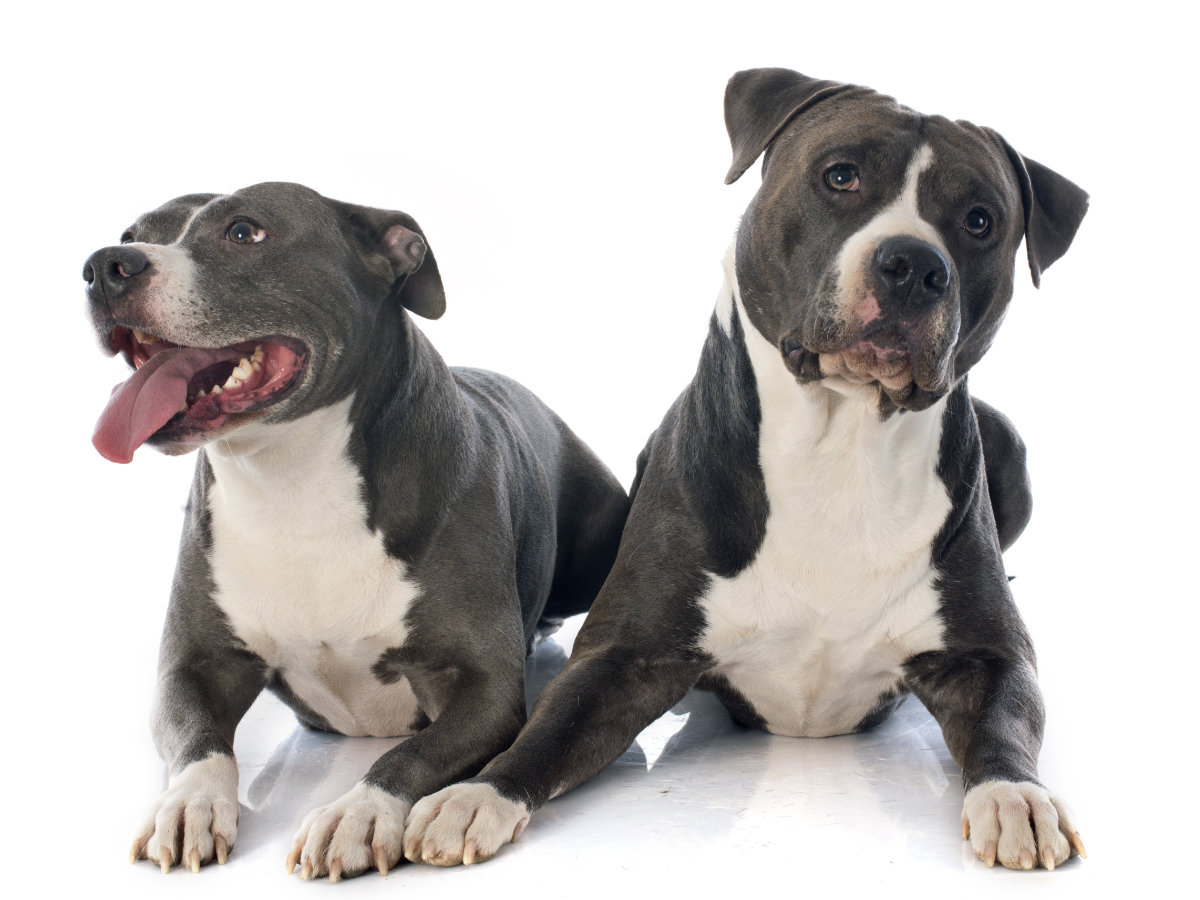
For most Australian households the real choice is between the Staffordshire Bull Terrier and the American Staffordshire Terrier. Both are recognised, legal breeds, available through registered breeders and often through rescues.
- Choose a Staffy if you want a smaller, sturdy, people-focused dog that suits a house with a modest yard and an active family.
- Choose an American Staffy if you can handle a taller, heavier dog and give it plenty of exercise and training.
- Be very wary of any "pitbull" puppy for sale. In NSW, selling or giving away a restricted dog is an offence, and in Queensland owning one without a reasonable excuse is an offence. A seller who advertises pit bulls, or "Staffies" that look unusually large, is a red flag.
Whichever you choose, budget for training and a secure yard. Our breed comparison tool puts the two Staffies side by side, our dog cost calculator estimates yearly costs, and our free dog breed quiz matches your home and routine against more than 200 breeds.
Staffy vs Pitbull FAQs
Is a Staffy a pitbull?
No. The Staffordshire Bull Terrier is a separate, recognised breed with its own standard. It shares distant ancestry with the American Pit Bull Terrier, but it's smaller and is not a restricted breed in Australia.
Are pitbulls banned in Australia?
They can't be imported, and state laws restrict or prohibit them. In Queensland the American pit bull terrier is a prohibited breed. In NSW it's a restricted dog that can't be sold or given away, and owners need an annual permit. Check your state's rules and your council.
Is an American Staffy a pitbull?
No. The American Staffordshire Terrier is recognised by Dogs Australia and is not a restricted breed, though it's closely related to the American Pit Bull Terrier and looks similar. Keep its papers or a vet's breed certificate.
How can you tell a Staffy from a pitbull?
Size is the quickest clue: a Staffy stands 36–41 cm and usually weighs under 17 kg, while American Pit Bull Terriers are typically taller and heavier. Appearance alone is unreliable for crosses, which is why papers matter.
Are Staffies good family dogs?
Their breed standard describes them as "highly intelligent and affectionate especially with children", and many are. Like any dog, they need training, supervision around children, and careful introductions to other dogs.
Sources and further reading
- Dogs Australia: Staffordshire Bull Terrier breed standard and Dogs NSW breed profile
- Dogs Australia: American Staffordshire Terrier breed standard
- United Kennel Club: American Pit Bull Terrier breed standard
- American Kennel Club: Staffordshire Bull Terrier
- NSW Office of Local Government: Restricted dogs
- Queensland Government: Regulated dogs
- City of Greater Geelong: Dangerous dogs and restricted breeds
- Russell Kennedy Lawyers: VCAT and Victoria's restricted breed standard
- RSPCA Knowledgebase: What is the RSPCA's view on breed-specific legislation?
This article is general information, not legal advice. Restricted-breed laws differ between states and councils and can change.