
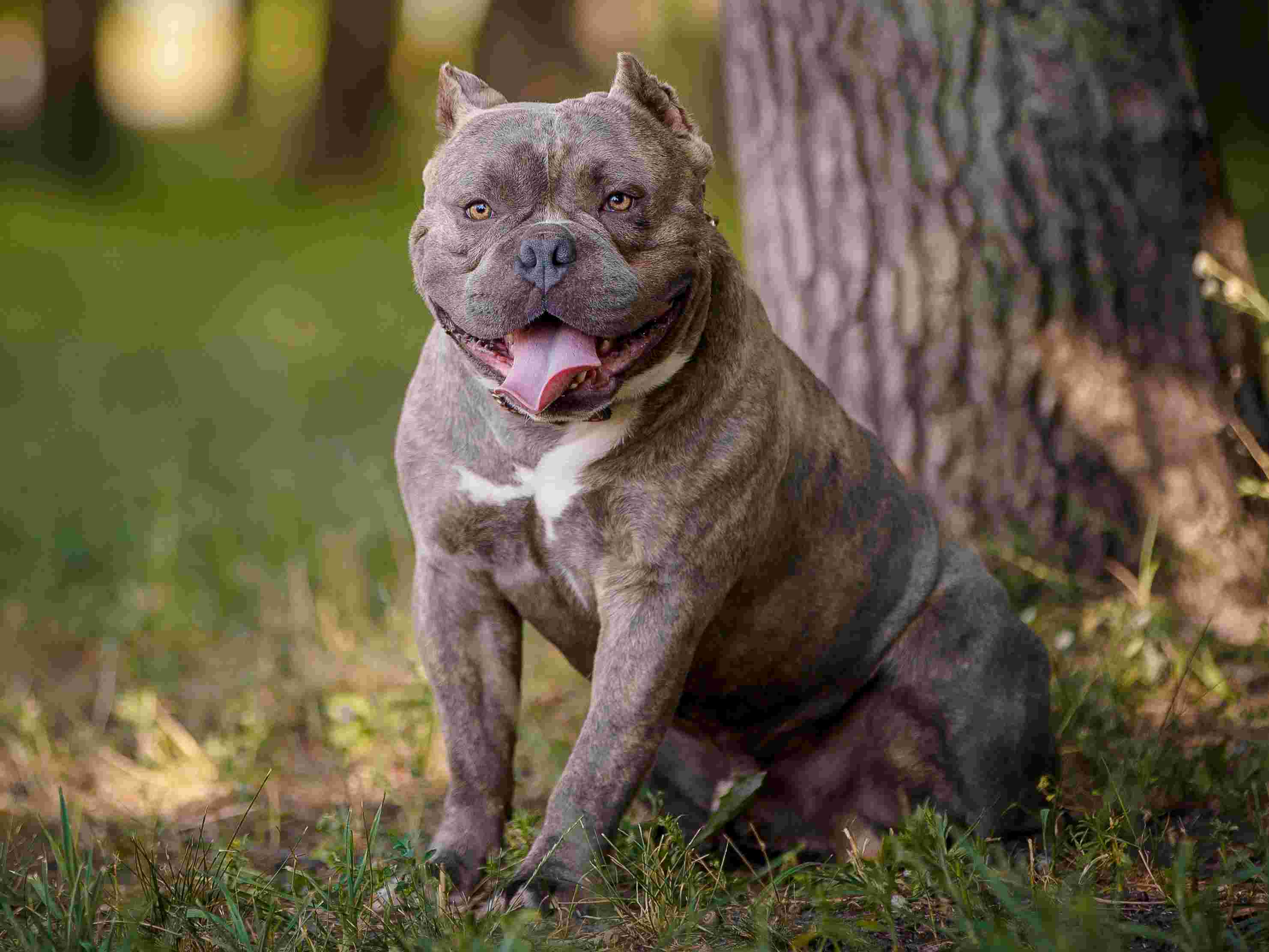
Short answer: as at November 2026, no Australian federal, state or territory law bans the American Bully or "XL Bully" by name. It isn't on the national import ban list or any state's restricted list. That doesn't make every bully-type dog safe from the law, though. Most states restrict the American Pit Bull Terrier and its crosses, and councils decide whether a particular dog is one partly on how it looks. A large, muscular American Bully could be assessed or declared a pit bull, and then the restricted-breed rules apply. The XL Bully is banned in England, Wales, Scotland, Northern Ireland and the Republic of Ireland.
The UK ban made headlines here, and Australians keep asking whether the same thing has happened or is coming. Here's what the law actually says, where the risk lies for owners, and what to think about before buying one.
What is an XL Bully?
The American Bully is a modern breed developed in the United States, generally described as coming from American Pit Bull Terrier and American Staffordshire Terrier lines. The United Kennel Club (UKC) in the US recognised it in 2013, and its standard now covers Pocket, Standard/Classic and XL styles. Major kennel clubs such as the American Kennel Club don't recognise it.
"XL" is the largest style. The UK government's official definition describes a "Large dog with a muscular body and blocky head, suggesting great strength and power for its size", with adult males "from 20in (51cm) at the withers" and adult females "from 19in (48cm)".
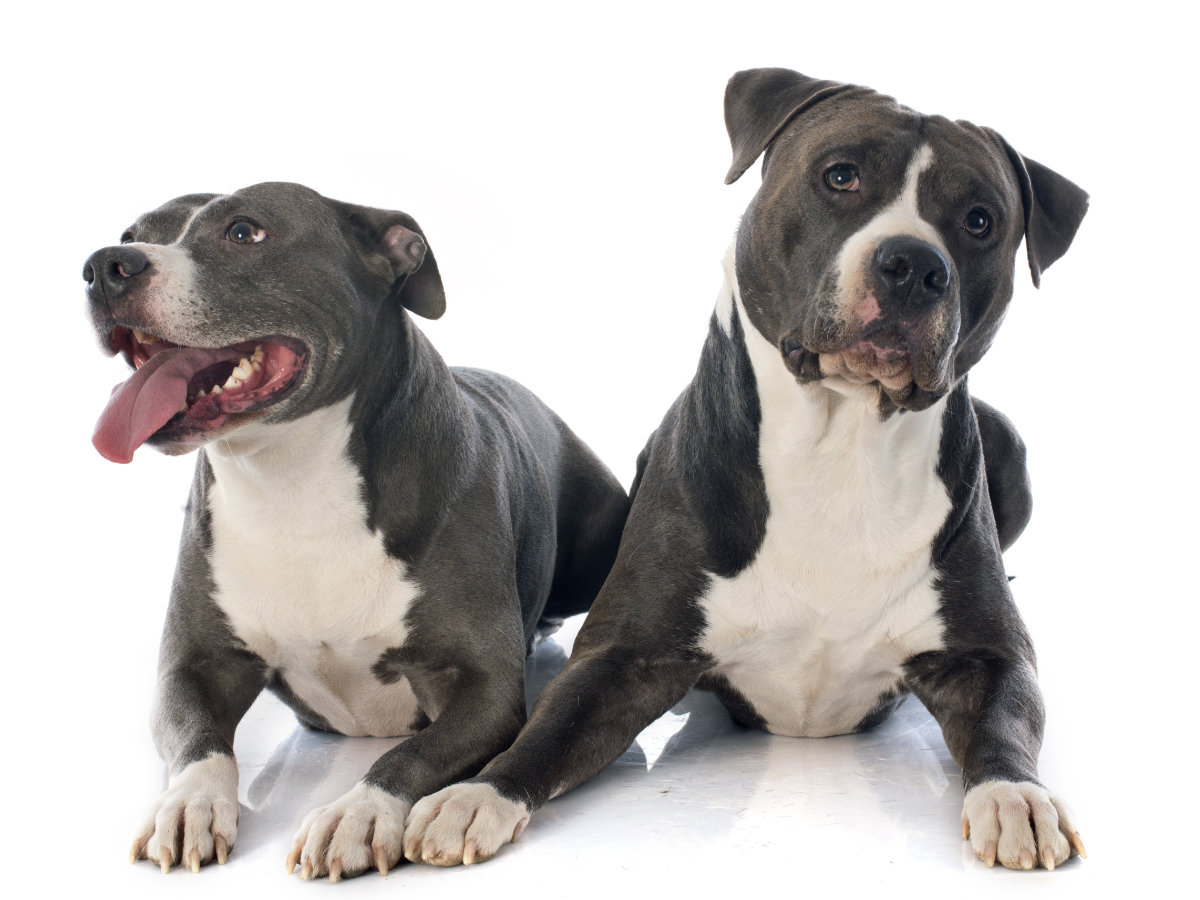
Is the XL Bully banned in Australia?
Not by name. We checked the national and state lists in November 2026:
- National import ban: five breeds can't be imported into Australia: the American Pit Bull Terrier (or pit bull terrier), Dogo Argentino, Fila Brasileiro, Japanese Tosa and Perro de Presa Canario. The American Bully isn't one of them.
- States and territories: Queensland prohibits the five breeds, and NSW, Victoria, WA, SA and Tasmania restrict them. None of those lists names the American Bully. The ACT has no restricted breeds.
- Proposals: we found no state government proposal to add the XL Bully. NSW is reviewing its companion animal laws after a coronial inquest into fatal dog attacks, and no outcome had been announced when we checked.
Our guide to banned dog breeds in Australia sets out each state's rules in full.
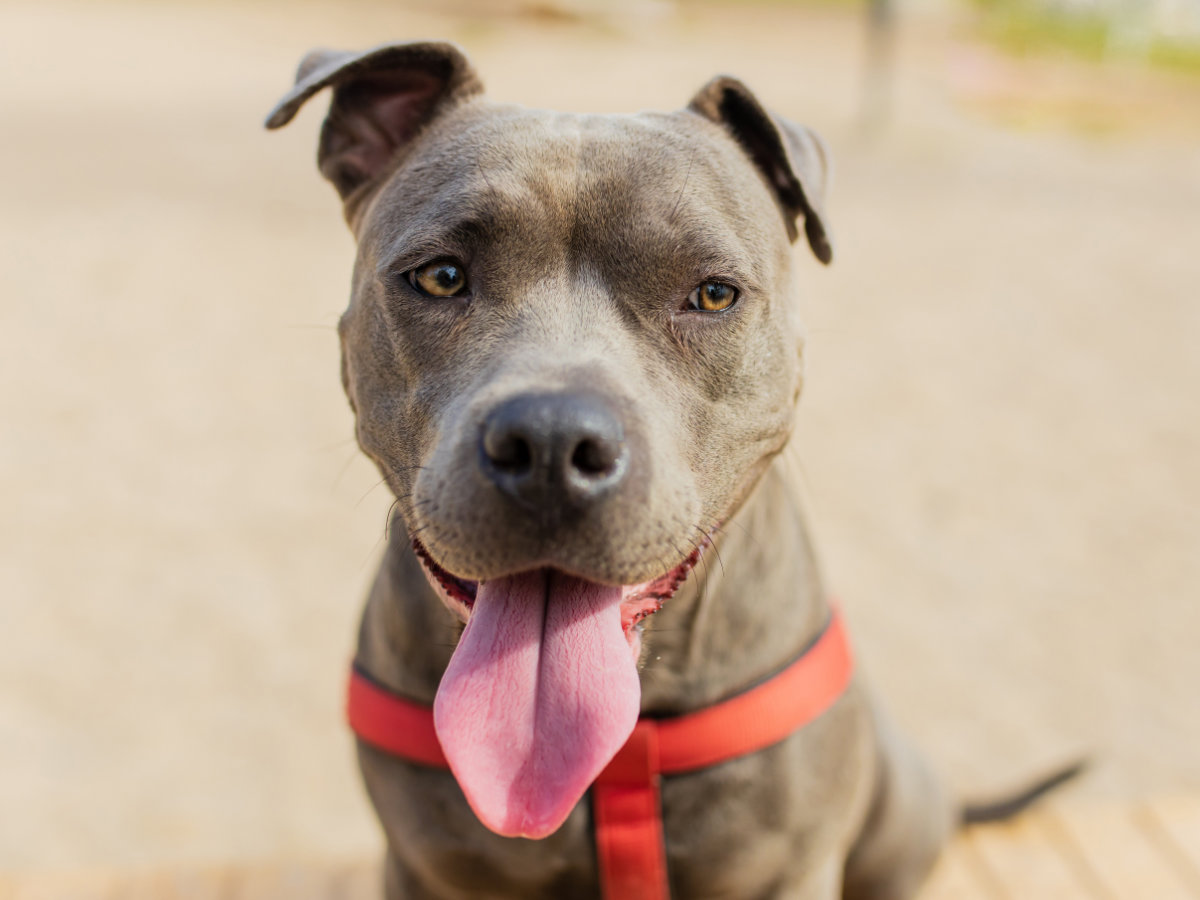
The real risk: being declared a "pit bull"
Restricted-breed laws in Australia don't need DNA or papers to apply. Several states cover pit bull crosses as well as purebreds, and councils assess dogs against descriptions of what a pit bull looks like.
- NSW: a council officer can declare a dog a restricted dog. The NSW Office of Local Government says a dog suspected of being a restricted breed or cross can be declared restricted unless the owner obtains a certificate from an approved breed assessor or temperament assessor.
- Victoria: a trained council officer assesses a dog against Victoria's approved Standard for Restricted Breed Dogs, which lists physical criteria such as build, head shape and size.
- WA: restricted breeds include dogs that are a mix of breeds where one is a prescribed breed.
- Tasmania: an authorised person may declare a dog a restricted breed dog.
Because American Bullies descend from pit bull lines and share their muscular, blocky look, an individual dog could meet a pit bull description. If it's declared restricted, the owner faces strict rules (desexing, enclosures, muzzles, collars and signs, and in most states no selling or giving the dog away), and in Queensland a prohibited dog can't be owned without a reasonable excuse. Owners can usually object or appeal, for example in NSW within 28 days and in Victoria through VCAT, but that's stressful and can be costly.
The same problem affects Staffy and Amstaff owners, which we explain in Staffy vs Pitbull.
What happened in the UK and Ireland
After a series of serious attacks, the UK government added the XL Bully to its banned breeds under the Dangerous Dogs Act 1991:
- England and Wales: from 31 December 2023, XL Bullies had to be muzzled and on a lead in public, and from 1 February 2024 it became illegal to own one without a Certificate of Exemption. The government's guidance now says "It's a criminal offence to own or possess an XL Bully dog in England and Wales". Exempted dogs must be muzzled and on a lead in public, and from 1 November 2026, owners must not leave a child under 12 in close contact with one at home without adult supervision.
- Scotland and Northern Ireland introduced similar bans in 2024, with ownership without an exemption illegal from August 2024 in Scotland and January 2025 in Northern Ireland.
- Republic of Ireland: banned importing, breeding, selling and rehoming XL Bullies from 1 October 2024, and owning one without a certificate from 1 February 2025.
Whether bans like these reduce bites is contested. Australian vets are sceptical: the Australian Veterinary Association says breed-specific legislation "has failed to reduce the frequency of dog bites", and the RSPCA says dogs "should not be declared dangerous on the basis of breed or appearance".
Thinking of getting an American Bully?
Many American Bullies are affectionate family dogs. But before you buy one in Australia, be honest about these points:
- Legal risk. The breed isn't banned, but a dog that looks like a pit bull can be assessed as one. Ask your council how it handles bully breeds, and keep every piece of paperwork from the breeder.
- Size and strength. An XL is a big, powerful dog. If you can't hold it on a lead when it lunges, it isn't the right dog for you.
- Breeder quality. Bully breeds are a target for backyard breeders selling extreme looks. Meet the parents, check temperament and health testing, and walk away from anyone advertising "pit bulls".
- Training and socialisation. Early puppy classes, reward-based training and plenty of calm exposure to people and dogs matter for any large, strong dog.
- Insurance, rentals and travel. Landlords, strata schemes and insurers may have their own rules about bully breeds, and several countries now have bans. Check before you commit.
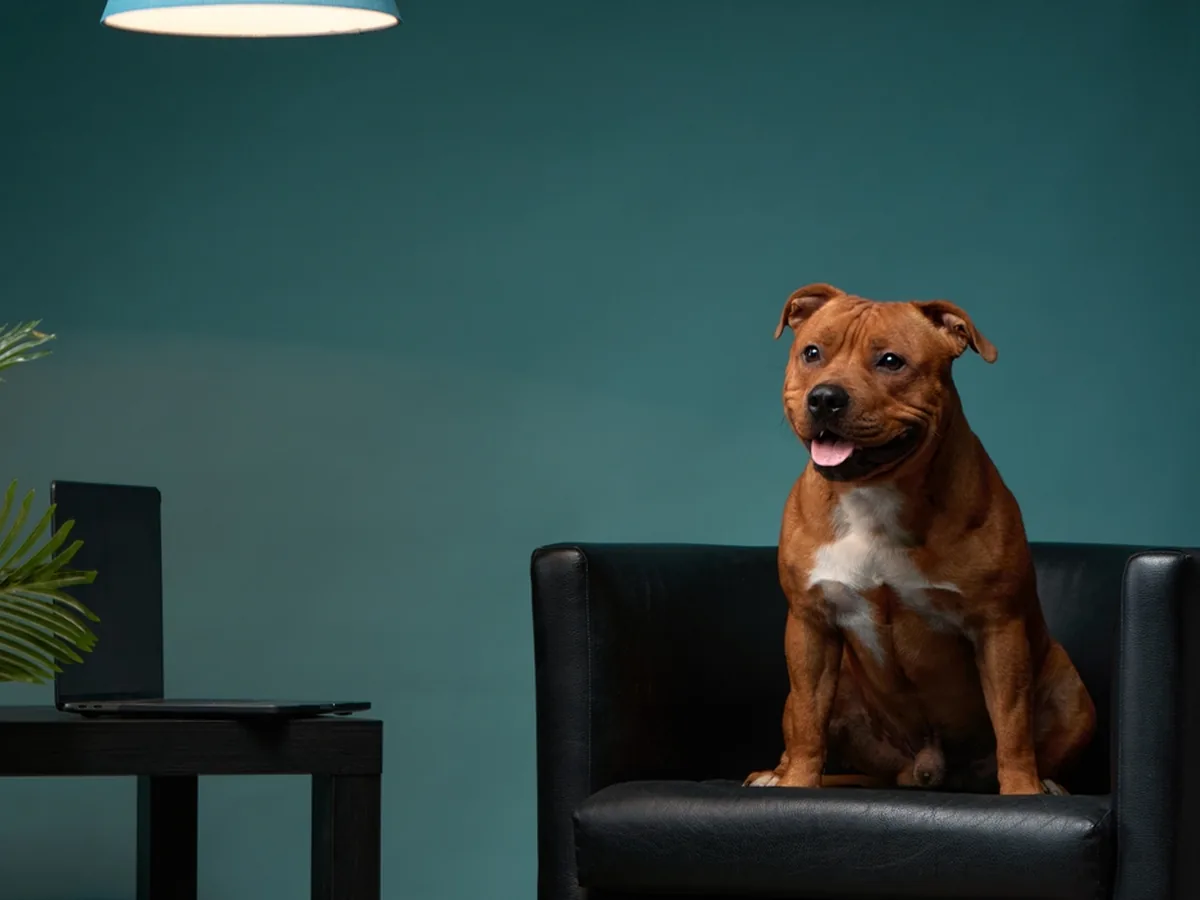
If you love the look but aren't sure about the risks, a recognised, unrestricted breed such as the Staffordshire Bull Terrier or American Staffordshire Terrier may suit you better; see English Staffy vs American Staffy. Our free dog match quiz weighs your experience and home against more than 200 breeds.
FAQs
Is the XL Bully banned in Australia?
No. As at November 2026, the American Bully (including the XL) isn't banned by name in any Australian state or territory or on the national import ban list. A dog that's assessed as a pit bull or pit bull cross can still be restricted under state laws.
Is the American Bully a pit bull?
It's a separate breed recognised by the UKC, but it was developed from pit bull and American Staffordshire Terrier lines and can look similar. Under Australian law, what matters is whether a council assesses the individual dog as a pit bull or cross.
Can I import an American Bully into Australia?
The American Bully isn't one of the five breeds banned from import. Importers must declare a dog's breed, and a dog suspected of being a prohibited breed can be investigated. Check with the Department of Agriculture, Fisheries and Forestry before you commit.
Why was the XL Bully banned in the UK?
The UK government acted in 2023 after a series of serious and fatal attacks involving dogs identified as XL Bullies. It's now a criminal offence to own one in England and Wales without an exemption certificate.
Will Australia ban the XL Bully?
We found no government proposal to do so as at November 2026. Laws can change, especially after high-profile attacks, so check your state's rules.
Sources and further reading
- GOV.UK: Ban on XL Bully dogs (updated 1 October 2026) and Official definition of an XL Bully dog
- GOV.UK: XL Bully type dogs to be banned (October 2023)
- Scottish Government: XL Bully exemption and DAERA (Northern Ireland): New rules for XL Bully dogs
- Fingal County Council (Ireland): XL Bully regulations
- United Kennel Club: American Bully breed standard update
- Federal Register of Legislation: Customs (Prohibited Imports) Regulations 1956
- Department of Agriculture, Fisheries and Forestry: Importing cats and dogs FAQs
- NSW Office of Local Government: Restricted dogs
- Agriculture Victoria: Standard for restricted breed dogs
- Queensland Government: Regulated dogs
- Australian Veterinary Association: Breed-specific legislation policy
- RSPCA Knowledgebase: What is the RSPCA's view on breed-specific legislation?
Cover photo: a bully-type dog. All photos: Shutterstock.
This article is general information, not legal advice. Breed laws differ between states and councils and can change quickly. Rules checked November 2026; check with your council and state government before buying, importing or moving with a bully-breed dog.