
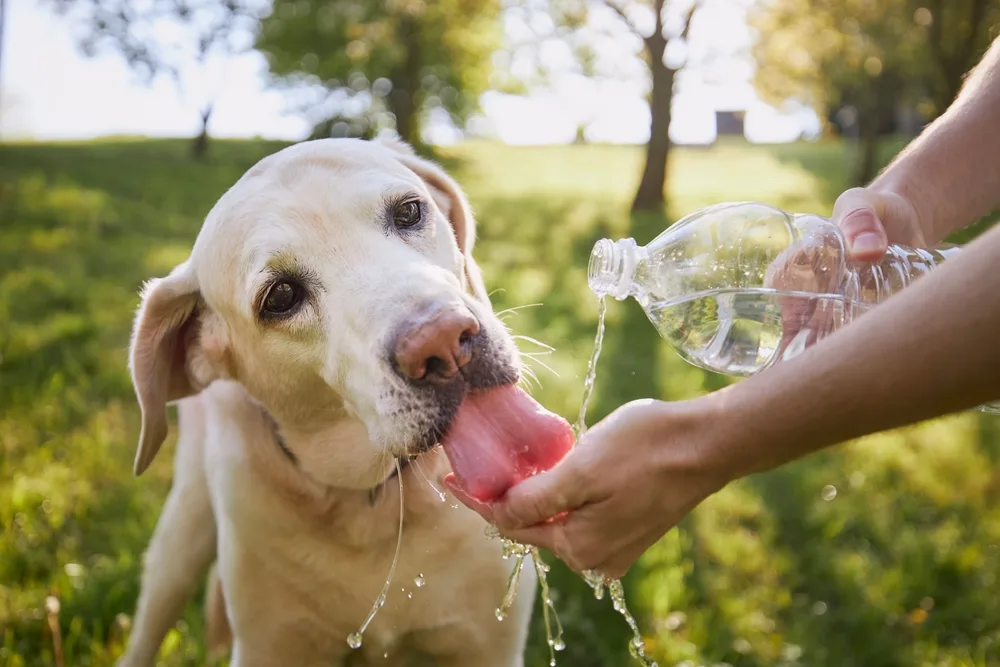
Most of the world's popular dog breeds were not built for a 40-degree Australian afternoon. They were developed in Scotland, Germany, Siberia and the Alps — places where the problem was staying warm, not staying cool. A thick double coat that's a survival advantage in the Arctic becomes a genuine welfare risk in Brisbane or Perth in January.
Heat tolerance isn't a minor comfort detail. For the wrong breed, an Australian summer means restricted exercise, a real risk of heatstroke, and vet bills that reflect it. This guide covers six breeds that are actually built for warm climates, what "heat-tolerant" looks like in practice, and which popular breeds deserve a second thought before you commit — no matter how much you love the look.
What Makes a Dog Heat-Tolerant
Coat type, not just coat length. A single, short coat sheds heat far more efficiently than a thick double coat, regardless of how long the hair is. Dogs bred for cold climates carry a dense undercoat designed to trap warmth — exactly the wrong feature for an Australian summer.
A functioning muzzle. Dogs cool themselves primarily through panting, which requires airflow across a reasonably long nasal passage. Flat-faced (brachycephalic) breeds — Pugs, French Bulldogs, English Bulldogs — have significantly reduced airflow, which makes panting less effective and heatstroke a real risk even on moderately warm days.
Body size and build. Lean, long-limbed dogs have more surface area relative to their body mass, which helps them shed heat faster. It's part of why sighthounds — bred for desert and savannah conditions — tend to handle heat unusually well.
Energy level and exercise timing. Even a heat-tolerant breed needs its exercise scheduled around the heat, not through it — early morning or after dark in summer, never the midday sun. A lower-energy breed is simply easier to satisfy within that narrower window.
The 6 Best Breeds for Hot Climates
| Breed | Heat Tolerance | Energy | Grooming | Shedding | Apartment |
|---|---|---|---|---|---|
| Greyhound | 5 / 5 | 3 / 5 | 1 / 5 | 2 / 5 | 5 / 5 |
| Rhodesian Ridgeback | 5 / 5 | 4 / 5 | 2 / 5 | 1 / 5 | 2 / 5 |
| Beagle | 4 / 5 | 4 / 5 | 2 / 5 | 3 / 5 | 2 / 5 |
| Groodle | 4 / 5 | 4 / 5 | 4 / 5 | 2 / 5 | 3 / 5 |
| Dalmatian | 4 / 5 | 5 / 5 | 2 / 5 | 4 / 5 | 2 / 5 |
| Chihuahua | 4 / 5 | 4 / 5 | 2 / 5 | 2 / 5 | 5 / 5 |
Greyhound
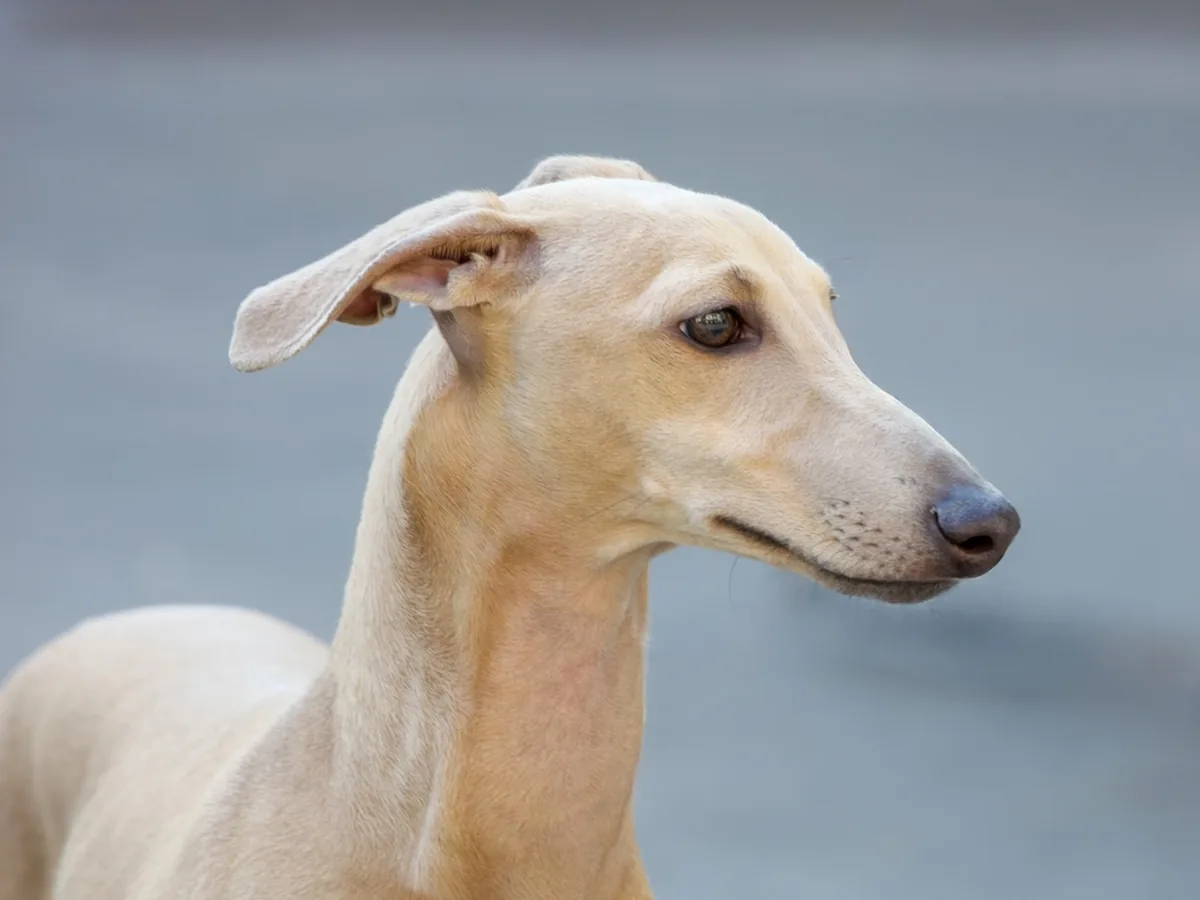
Sighthounds don't carry a protective undercoat because they were never built for cold — they were built for open, hot terrain and short bursts of speed. The Greyhound's short single coat and lean frame shed heat efficiently, and despite the athletic reputation, most Greyhounds (including the many retired racers available through adoption) are genuinely low-energy indoors, content with one solid walk a day. Grooming is close to zero effort.
One honest caveat: That same lean build means very little natural insulation in winter, and thin skin that scratches easily on rough terrain or through underbrush. In Australia's mild winters this is a minor issue; in colder southern regions, a coat for walks is worth having.
Rhodesian Ridgeback
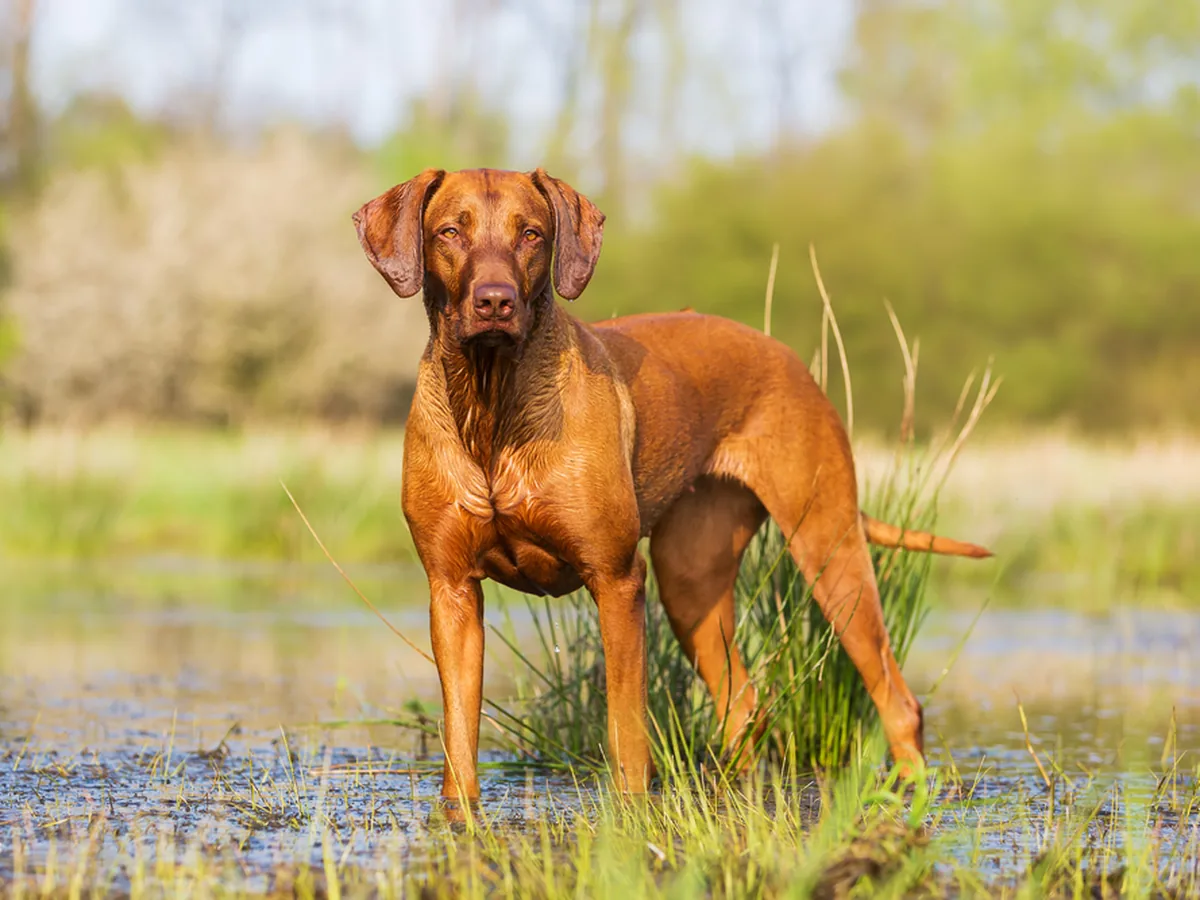
Bred in Southern Africa to track lions alongside hunters across open, sun-baked terrain, the Ridgeback's short, dense coat and heat tolerance were non-negotiable design requirements, not a lucky accident. It's a large, athletic, low-shedding breed that genuinely thrives in warm climates and needs real daily exercise to match its working heritage.
One honest caveat: This is a large, powerful, independent-minded dog that needs an experienced owner and proper training from early on — not a low-maintenance pick just because the coat is easy. Apartment living isn't a natural fit either; it wants space to move.
Beagle
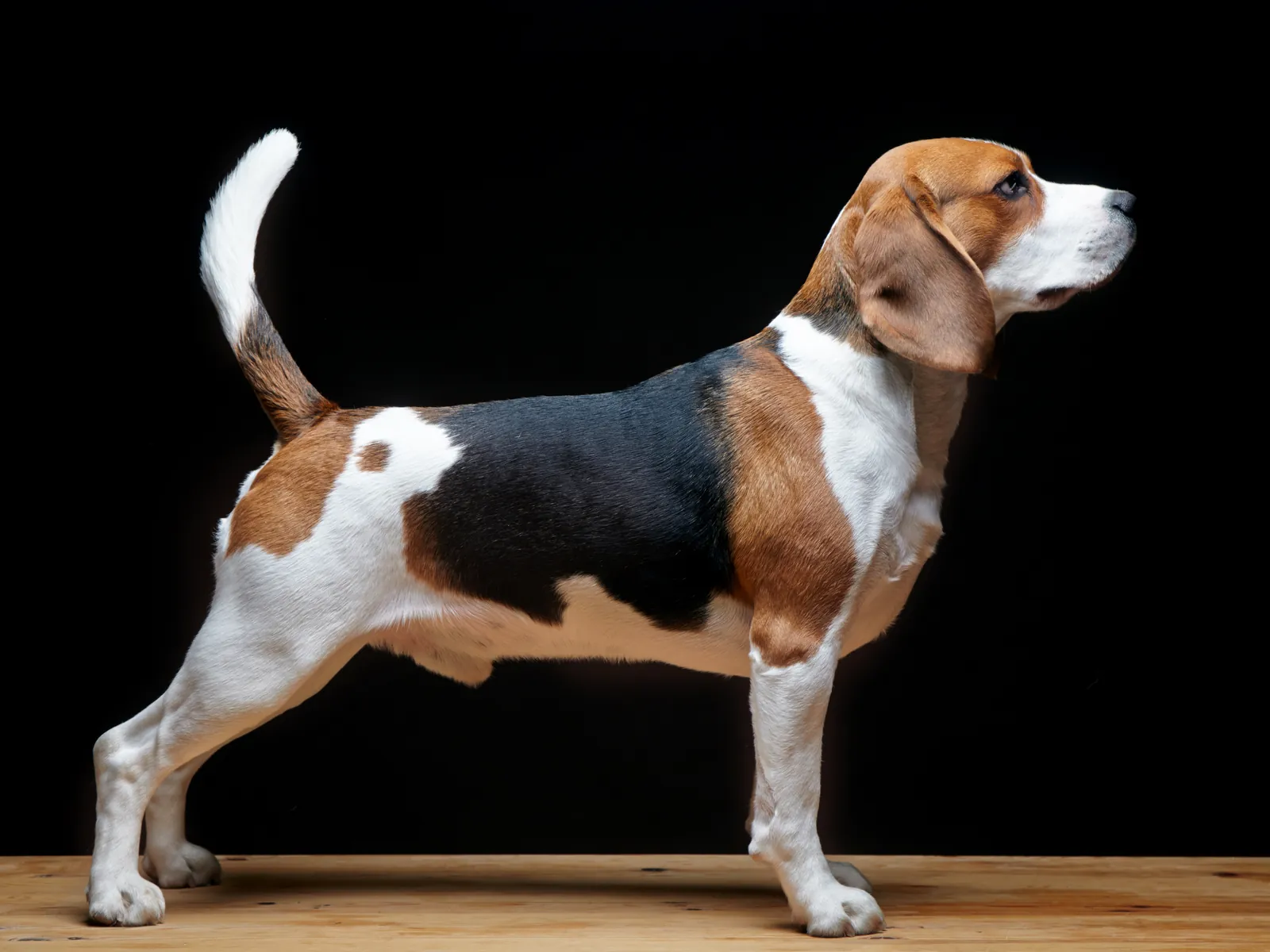
The Beagle's short, weather-resistant coat handles heat comfortably, and this is a famously good-natured, sociable family breed — 5/5 for good with kids — that's happy with a solid daily walk rather than constant intense exercise. Grooming is minimal, which is a welcome contrast to most of the other breeds on this list.
One honest caveat: That nose runs the show. A Beagle on a scent trail can become deaf to recall, and the breed's vocal, high-barking nature (4/5) is worth knowing about before close neighbours find out for you.
Groodle
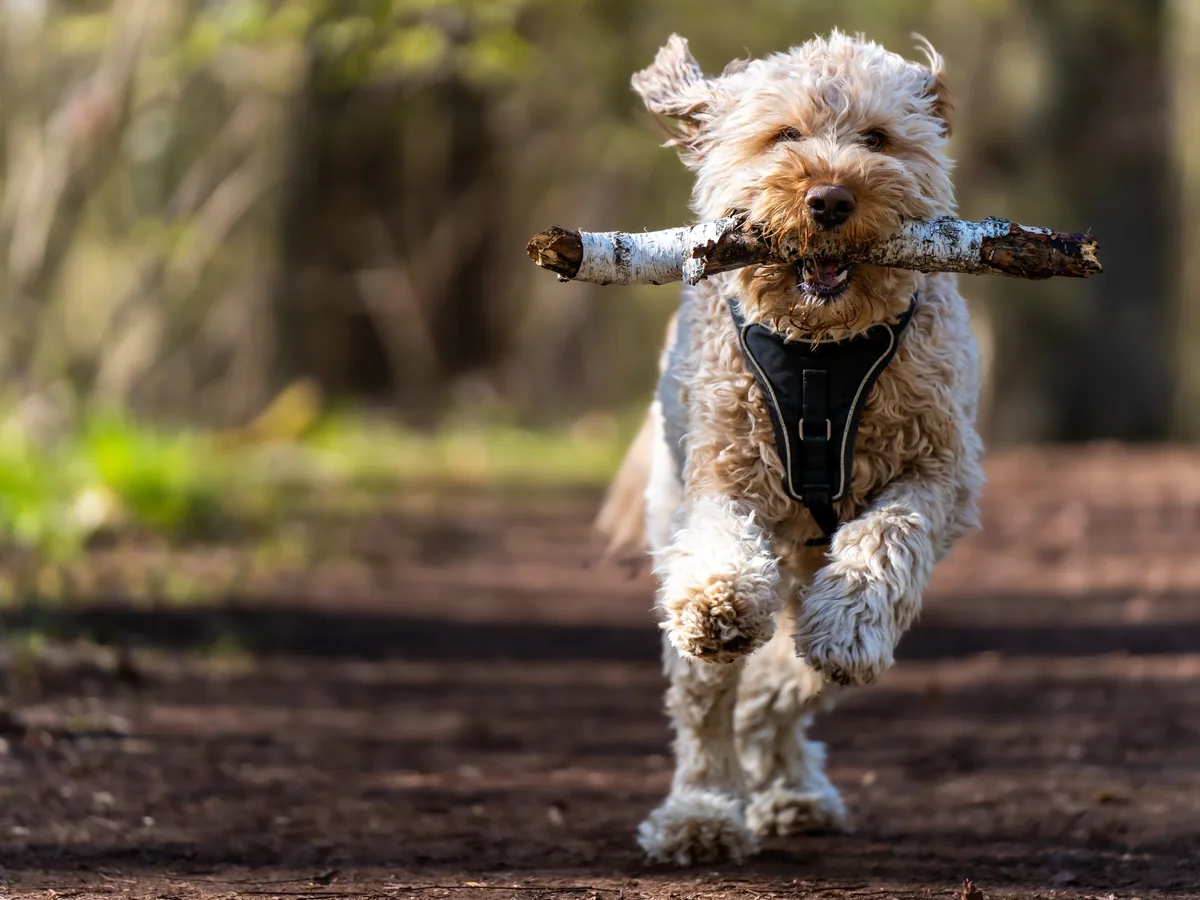
Most of the classic family-dog breeds — Golden Retrievers, Labradors, Bernese Mountain Dogs — carry a thick double coat built for cooler climates. The Groodle is a notable exception: the Poodle-derived coat sheds far less than its Golden Retriever parent and copes with heat more comfortably, while keeping the same near-perfect temperament with kids and other pets, and class-leading trainability.
One honest caveat: The coat still needs real upkeep — regular brushing and professional grooming every six to eight weeks — and this is a high-energy, people-oriented dog that needs daily exercise and real company, not a low-effort pick overall. See our full Golden Retriever vs Groodle comparison for the detail.
Dalmatian
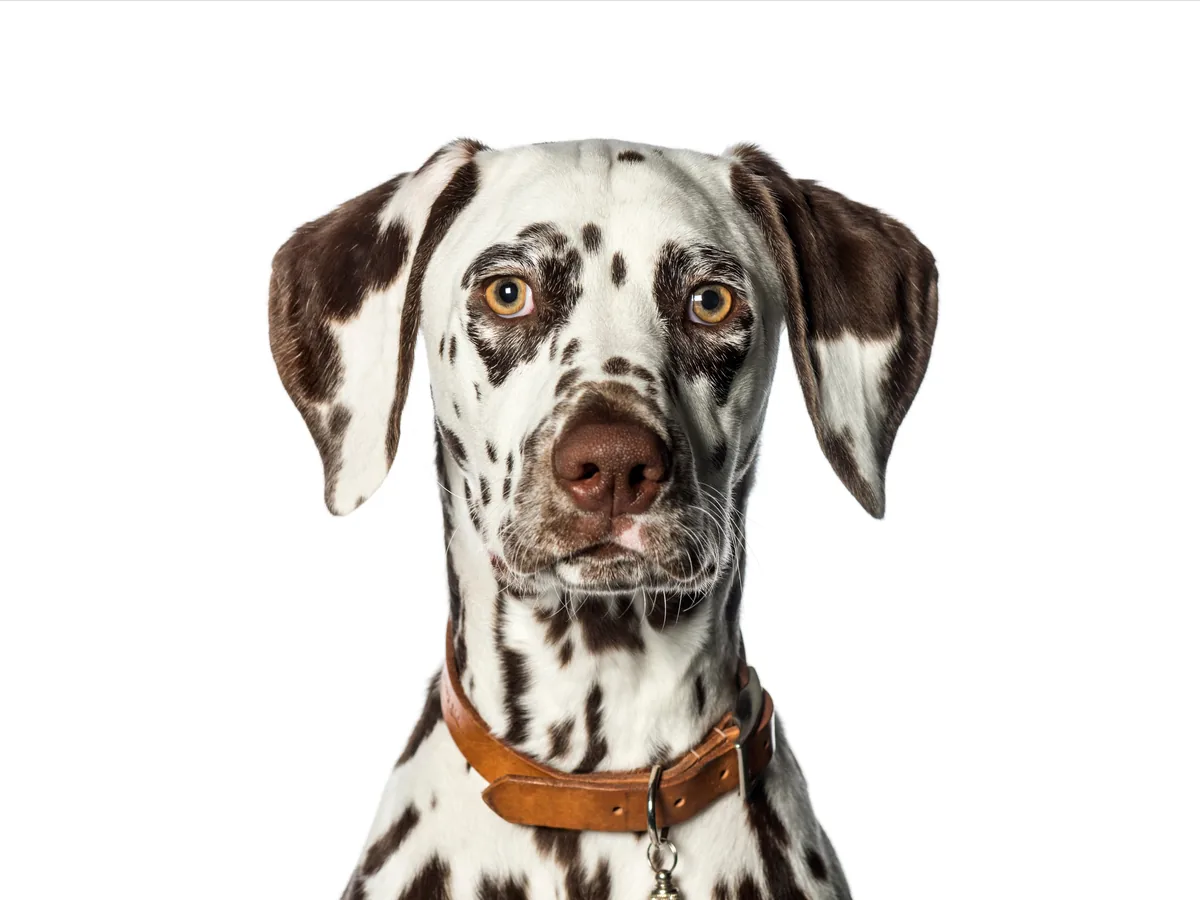
Historically bred to trot alongside carriages for hours at a time, the Dalmatian's short coat and genuine stamina make it a strong heat-climate performer for owners who can match its exercise needs. It's sociable, playful, and good with kids.
One honest caveat: Energy is a full 5/5 — this is not a dog that settles for a short walk, and under-exercised Dalmatians become destructive. Shedding is also higher than the short coat suggests; regular vacuuming is part of the deal.
Chihuahua
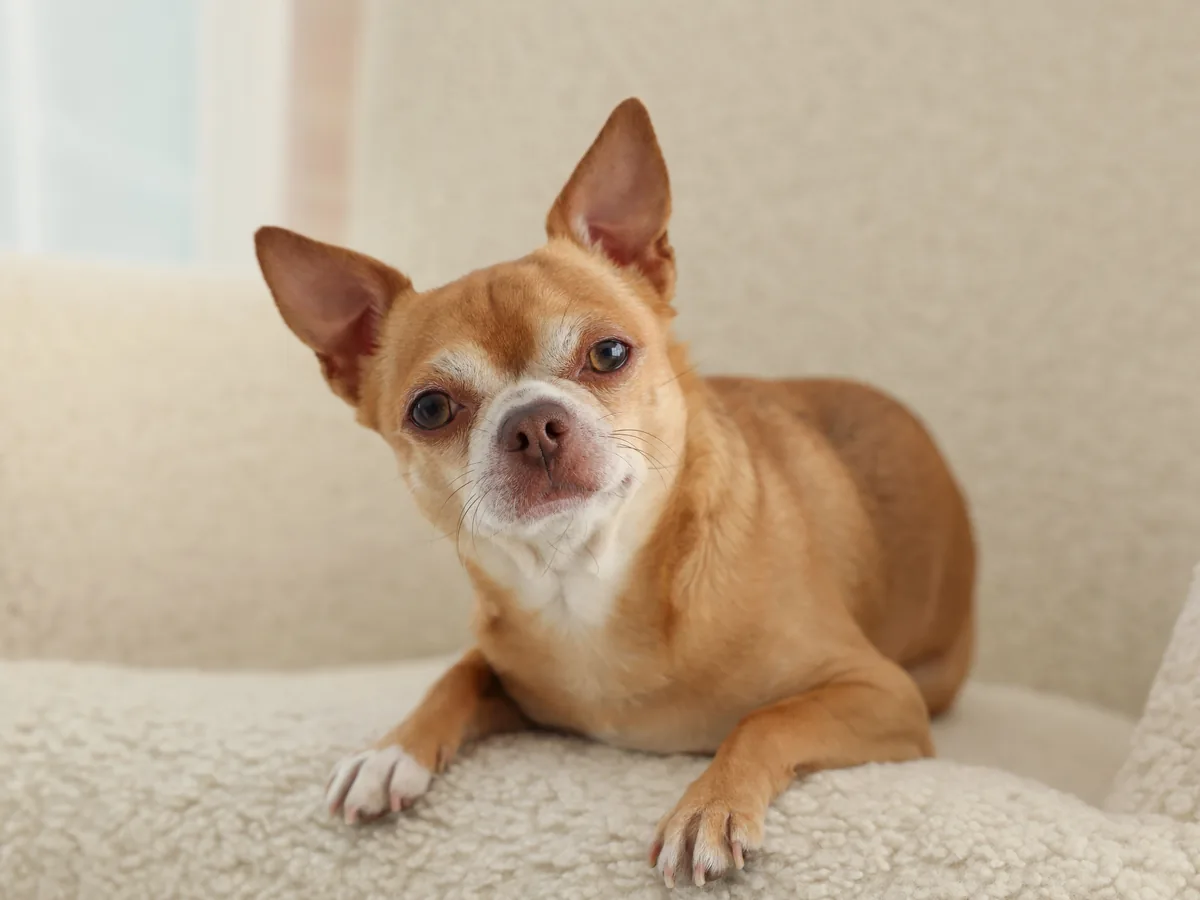
Descended from small companion dogs in Mexico, the Chihuahua handles warm weather comfortably and needs almost no grooming. At under 3 kg, it's an easy, portable, apartment-friendly dog for owners who want a genuinely tiny breed.
One honest caveat: Barking is 5/5 — the highest possible — and this is not a naturally patient breed with young children (2/5). It also feels the cold sharply and needs a coat and indoor warmth through an Australian winter, which is a smaller trade-off than the summer breeds further down this list face, but worth planning for.
Breeds to Reconsider in an Australian Summer
None of these are bad dogs — they're simply carrying coats and physiology built for climates on the opposite end of the thermometer from most of Australia.
Flat-Faced Breeds: French Bulldog, Pug, English Bulldog
All three score a rock-bottom 1/5 for heat tolerance. The restricted airflow of a brachycephalic skull makes panting — a dog's primary cooling mechanism — significantly less effective, and heatstroke can set in faster than owners expect, even on a moderately warm day. These breeds can absolutely be kept in Australia, but it means air conditioning, no midday walks, and real vigilance through summer.
Arctic Breeds: Siberian Husky and Samoyed
Both also score 1/5 for heat tolerance, carrying a dense double coat built for temperatures nowhere near an Australian summer. Cooler southern regions are a far better fit than the northern half of the country. If you're drawn to the Husky look, our Husky vs Malamute comparison covers exactly this trade-off in more depth — and the same rule applies to both: never shave a double coat to "help" with the heat. It insulates against warmth as well as cold, and shaving it wrecks that mechanism permanently.
Giant Mountain Breeds: Saint Bernard, Bernese Mountain Dog, Great Pyrenees, Newfoundland
All score 2/5 or lower on heat tolerance, each one developed in alpine or sub-alpine Europe with a heavy, insulating double coat as standard equipment. Add substantial body mass — all four are genuinely large to giant breeds — and heat becomes a serious management issue, not a minor inconvenience. These breeds need shade, water, cool indoor space, and a real plan before an Australian summer, every year.
Managing Heat, Whatever Breed You Choose
Never shave a double coat. It sounds like the obvious fix, but a double coat insulates against heat as well as cold. Shaving it removes that protection and can leave skin exposed to sunburn, without meaningfully cooling the dog.
Time exercise around the heat, not through it. Early morning or after dark in summer — never the midday sun, regardless of breed.
Check the pavement. If it's too hot to hold the back of your hand on the ground for five seconds, it's too hot for paws. Stick to grass or wait for the day to cool.
Shade, water, and never a hot car. Constant access to both, and never leave a dog in a parked car — temperatures inside can become lethal within minutes, even with windows cracked.
Not Sure Which Breed Suits Your Climate?
Heat tolerance is one of the factors our quiz weighs alongside your home type, activity level, and household — matching you against every breed in our database, not just the six listed here.
Take the breed matching quiz →
Frequently Asked Questions
What dog breeds handle Australian summers best?
Short-coated, lean breeds generally do best — Greyhounds, Rhodesian Ridgebacks, Beagles and Dalmatians all score highly for heat tolerance, along with lower-shedding crosses like the Groodle. The common thread is a single coat rather than a thick double coat, and (for the sighthounds) a lean build with more surface area to shed heat.
Can Huskies or other thick-coated dogs live in Australia?
They can, but it takes real management — cooler southern climates suit them far better than the northern half of the country, and summer means dawn-and-dusk exercise only, constant shade and water, and cool indoor space through the heat of the day.
Should you shave a double-coated dog to help it cope with summer?
No. A double coat insulates against heat as well as cold, and shaving it removes that protection permanently while leaving skin more exposed to sunburn. Regular brushing to manage the undercoat is the right approach, not shaving.
Are small dogs more heat-tolerant than large dogs?
Not necessarily — coat type matters more than size. A small but thick-coated breed can struggle just as much as a large one, while a large, lean, short-coated breed like a Greyhound handles heat very well. Check the specific breed's heat tolerance rather than assuming size is the deciding factor.
What temperature is too hot to walk a dog?
As a rule of thumb, once the air temperature climbs into the low-to-mid 30s Celsius, exercise should move to early morning or evening for most breeds — and brachycephalic or thick-coated breeds need that caution at even lower temperatures. The five-second pavement test (if it's too hot for your hand, it's too hot for paws) is a reliable practical check regardless of the thermometer.