
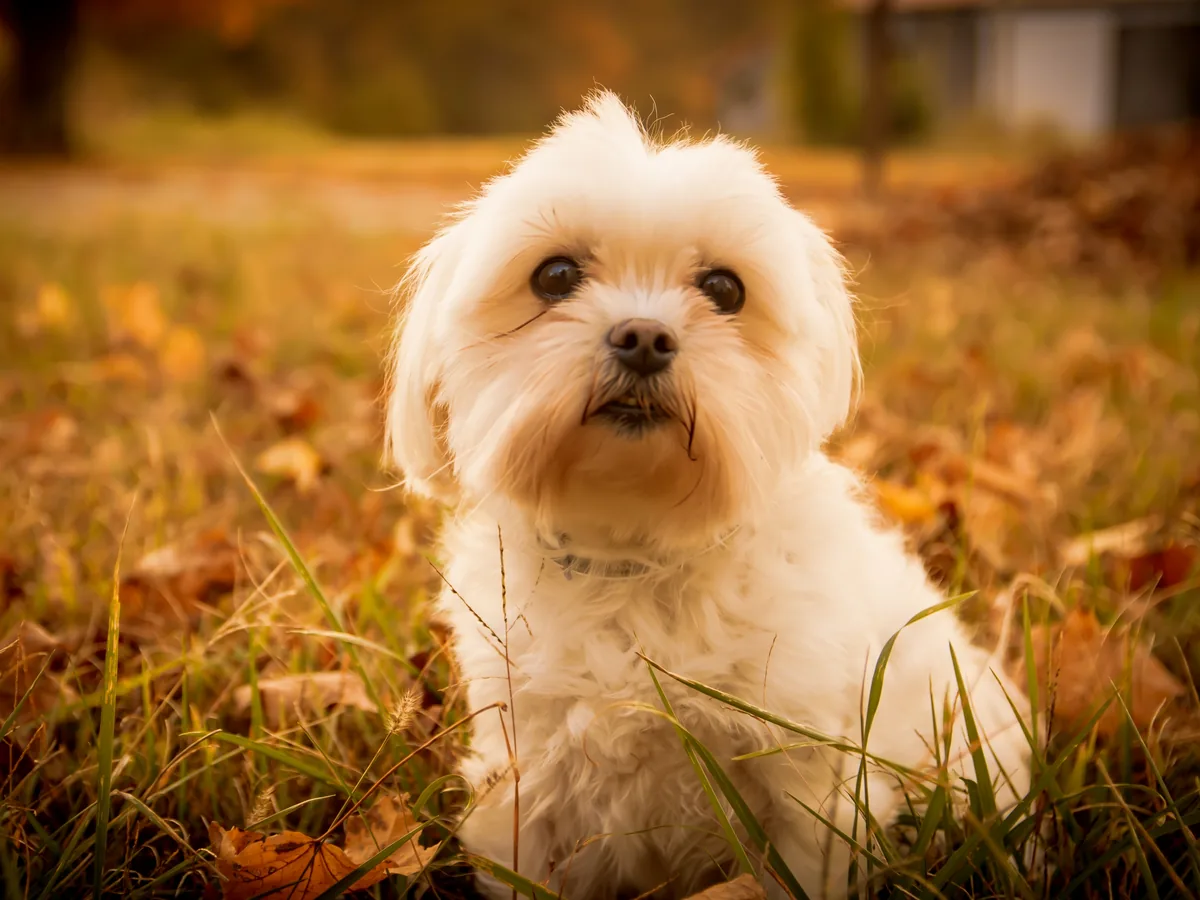
Small dog breeds worth considering in Australia include the Chihuahua, Maltese, Toy or Miniature Poodle, Bichon Frise, Miniature Schnauzer and Miniature Dachshund. They offer very different combinations of coat care, activity and personality. A dog that fits on your lap still needs a routine that fits your life.
Start with the jobs you can do every day: walks, training, brushing, toilet breaks and company. Then compare breeds, and finally meet the individual dog. This guide is a shortlist for that conversation, rather than a ranking of universally easy pets.
Small dog breeds at a glance
The coat notes below are practical comparisons, not a complete care plan. Age, health, coat length and individual behaviour can change the workload.
| Breed | Coat commitment | Ask before choosing |
|---|---|---|
| Chihuahua | Smooth and long coats need different routines | Can everyone handle a very small dog gently? |
| Maltese | Frequent brushing; clipping plan for a shorter coat | Who will maintain the coat between appointments? |
| Toy or Miniature Poodle | Regular brushing and clipping | Do you enjoy training and an active daily routine? |
| Bichon Frise | Curly coat needs consistent attention | Does the grooming routine fit your time and budget? |
| Miniature Schnauzer | Wiry coat and facial furnishings need maintenance | How does this dog respond to visitors and neighbourhood sounds? |
| Miniature Dachshund | Smooth, long and wire coats differ | Have you discussed health, handling and activity with a vet? |
Six small-dog options to investigate
1. Chihuahua: small size, plenty of personality
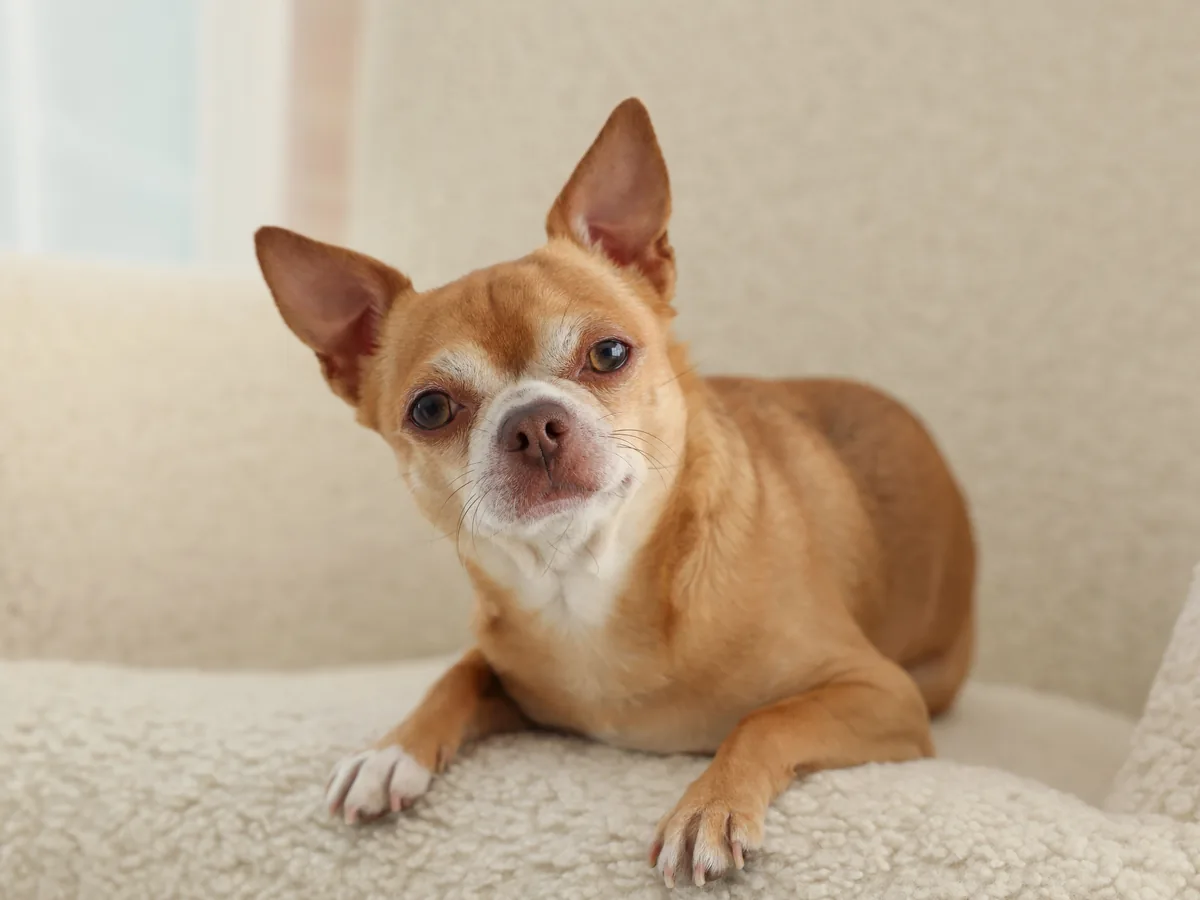
The Chihuahua is an alert, spirited little dog. Dogs Australia's smooth-coat standard describes an intelligent, compact dog with a short, close coat. Long-coated Chihuahuas bring a different brushing routine, so check which coat you are considering.
A smooth coat can be appealing when you want less detangling, but it does not remove training, dental care, exercise or company from the day. Ask how the individual dog behaves around visitors, other dogs and everyday handling. Avoid treating confidence or nervousness as something every Chihuahua automatically shares.
Household question: can children and adults give this dog space and handle it gently? Meet the dog with the people it will live with, and provide a quiet retreat. Explore the Chihuahua profile.
2. Maltese: a companion with a coat commitment
The Maltese is a small, playful companion with a long white coat. The American Kennel Club's ownership guide describes an affectionate, athletic little dog and stresses the brushing needed to prevent tangles in a long coat.
A shorter pet trim may make home grooming more manageable, but appointments do not replace brushing and checking the coat between visits. Ask a groomer to show you the tools and technique, and to quote for the actual coat and condition.
Household question: do you want the brushing routine as well as the companionship? Plan for time together, training and gentle handling; small size is not permission to skip any of them. Explore the Maltese profile.
3. Toy or Miniature Poodle: for people who enjoy training
Toy and Miniature Poodles offer two smaller size options, but neither is a decorative version of the breed. The American Kennel Club's Poodle guide describes active, intelligent dogs that need stimulation and consistent, reward-based training.
Their curly coats need brushing and clipping. A practical shorter trim can simplify the routine, while a longer coat needs more detangling. Choose based on the adult dog you can care for, and ask the breeder or rescue to explain likely size, activity and coat maintenance.
Household question: will you enjoy practising skills, playing and walking with your dog each day? Compare the Toy Poodle and Miniature Poodle profiles rather than choosing only by the smaller puppy photo.
4. Bichon Frise: a lively dog behind the fluffy outline
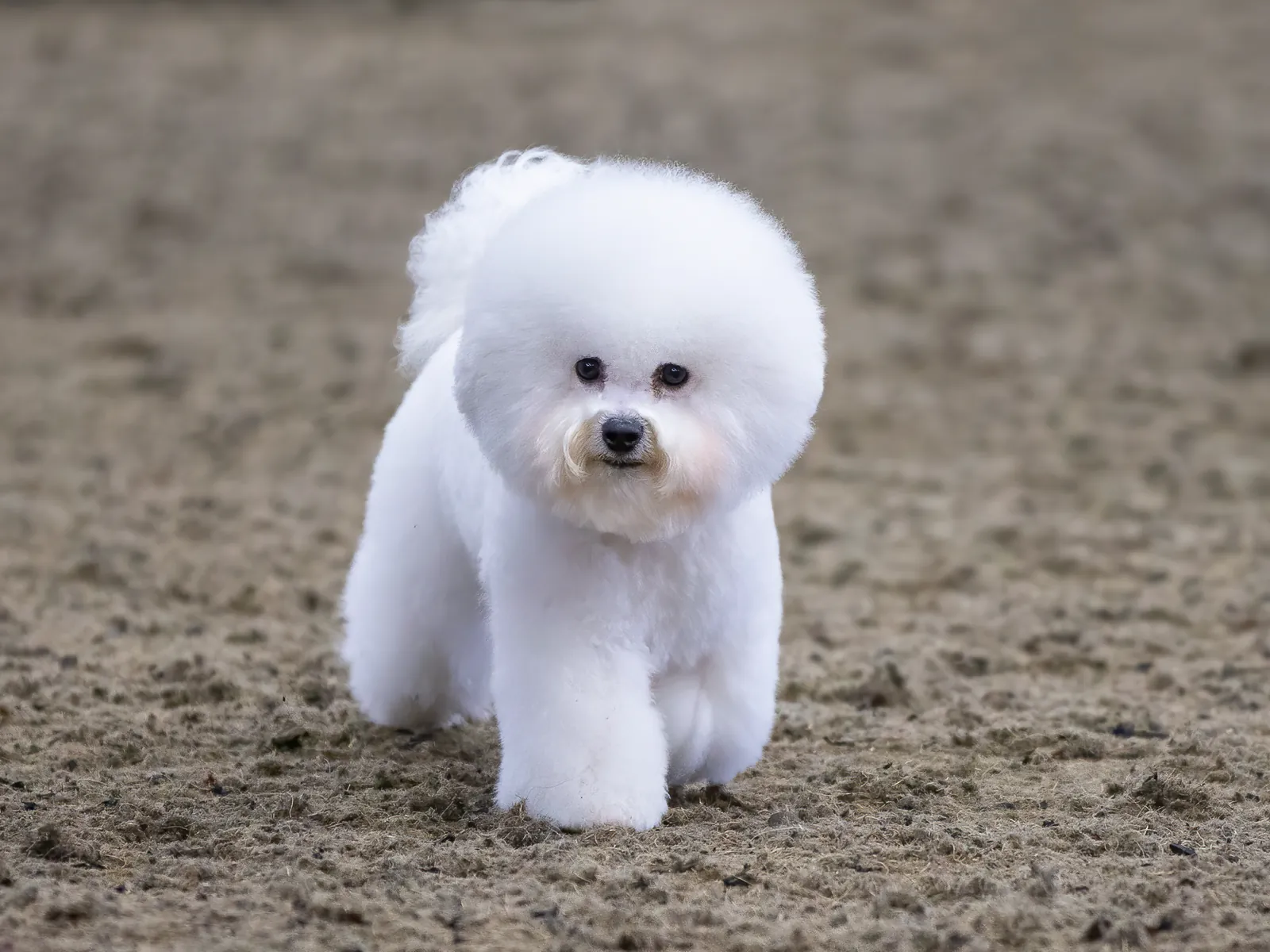
The Dogs Australia standard describes a lively little dog with a soft, curled coat. That appealing outline needs care: ask how to brush through the coat, which areas tangle, and how often this individual dog needs a professional visit.
A Bichon belongs on the shortlist when you are comfortable making grooming part of the weekly routine. Assess its behaviour and activity separately from its appearance. A breed description offers a starting point; a meeting and a discussion about the dog's history tell you more about the companion you are considering.
Household question: is the coat routine affordable and realistic throughout the year? Explore the Bichon Frise profile.
5. Miniature Schnauzer: an alert companion
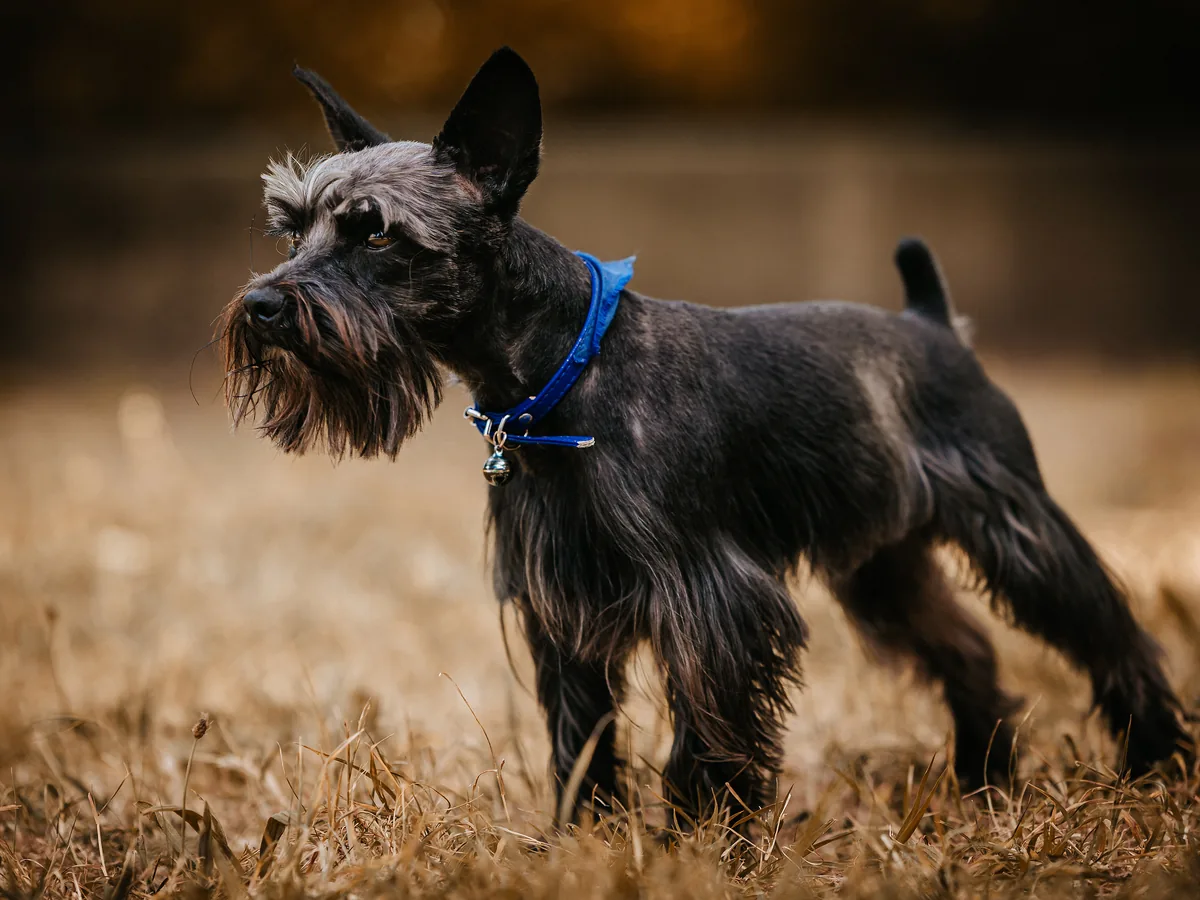
Dogs Australia describes the Miniature Schnauzer as an alert, intelligent companion, with a wiry coat, dense undercoat and distinctive facial furnishings. Ask a groomer about a suitable maintenance plan rather than assuming a short-looking coat means little work.
For any alert dog, discuss reactions to the doorbell, neighbours and passing dogs. Observe what happens when it notices something and how easily it settles again. That is a more useful household check than assuming a breed will be quiet because it is small.
Household question: are you ready to teach calm routines and provide daily activity as well as coat care? Explore the Miniature Schnauzer profile.
6. Miniature Dachshund: a small hound, with its own needs
The Miniature Dachshund has a working-hound background, not simply a scaled-down lapdog role. Dogs Australia's breed standard explains the hunting origins and distinguishes smooth, long and wire coats.
Ask about the individual dog's activity, interest in scents, training and experience with other animals. Coat care differs between varieties. A smooth coat can reduce brushing complexity, while long and wire coats need their own maintenance approach.
Household question: have you discussed breed health and suitable handling with your veterinarian? Ask the breeder about relevant health screening and the parents' history, and the rescue about any known medical needs. Explore the Miniature Dachshund profile.
Choose for your household, not just your floor space
Apartment or townhouse: think about toilet access, shared corridors, neighbourhood noise and how the dog settles at home. Small size helps with space, but does not establish suitability. Our apartment guide explores that separate decision.
Children: meet the individual dog together and agree on gentle, supervised interactions. The RSPCA's advice on pets and children stresses adult responsibility and supervision. Give the dog a resting place where it can be left alone.
Working hours: write down the real periods when nobody is home and how you will provide toilet breaks and care. A companion breed label is not a guarantee of coping alone. Ask about an adult dog's current routine; with a puppy, plan the additional time for settling in, socialisation and toilet training.
Grooming: compare brushing, clipping and cleaning as well as loose hair. RSPCA grooming guidance explains that tools and frequency depend on coat type and the individual. Read our low-shedding guide for that specific coat decision, or the low-maintenance guide for total workload.
Australian weather: all dogs need access to water, shade and a cool resting area. RSPCA heatstroke guidance recommends activity in the coolest parts of the day and avoiding hot surfaces. Flat-faced dogs have additional risk factors; ask your vet about the individual dog's needs.
Before you bring a small dog home
Consider an assessed adult dog as well as a puppy. A rescue can describe what is known about an adult dog's behaviour, routine and medical history, while being clear about any uncertainty. You still need time for adjustment and training.
The RSPCA's pre-pet checklist covers the long-term commitment, daily care and ongoing costs. Use these questions to turn a favourite breed into a realistic decision:
- What is known about adult size, coat and daily activity?
- What health screening or veterinary records can I see?
- How does the dog respond to handling, visitors, children and other pets?
- What training and socialisation has already happened?
- What does grooming cost locally, including care between appointments?
- Who will provide company, toilet breaks and care when I am away?
For a first dog, use the first-time-owner guide alongside this shortlist. If you are still unsure, our dog breed matching quiz can help compare your home and routine with breed traits. Treat its results as a starting point for meeting dogs and asking questions.
Common questions about small dog breeds
Which small dog breed is easiest to look after?
There is no single answer. A smooth coat may simplify brushing, while a dog with a growing or curly coat needs more grooming. Behaviour, age, health and your available time can matter more than size. Compare the whole routine before deciding.
Are small dogs automatically good apartment dogs?
No. Check the individual dog's activity, noise, toilet access and ability to settle at home. Your schedule and the building's environment are part of the decision too.
Should I choose a puppy or an adult small dog?
A puppy needs substantial time for early care and learning. An adult dog's established size and known history can make some questions easier to answer, but it still needs settling-in support. Ask what is known, what remains uncertain and whether the dog fits your actual household.