
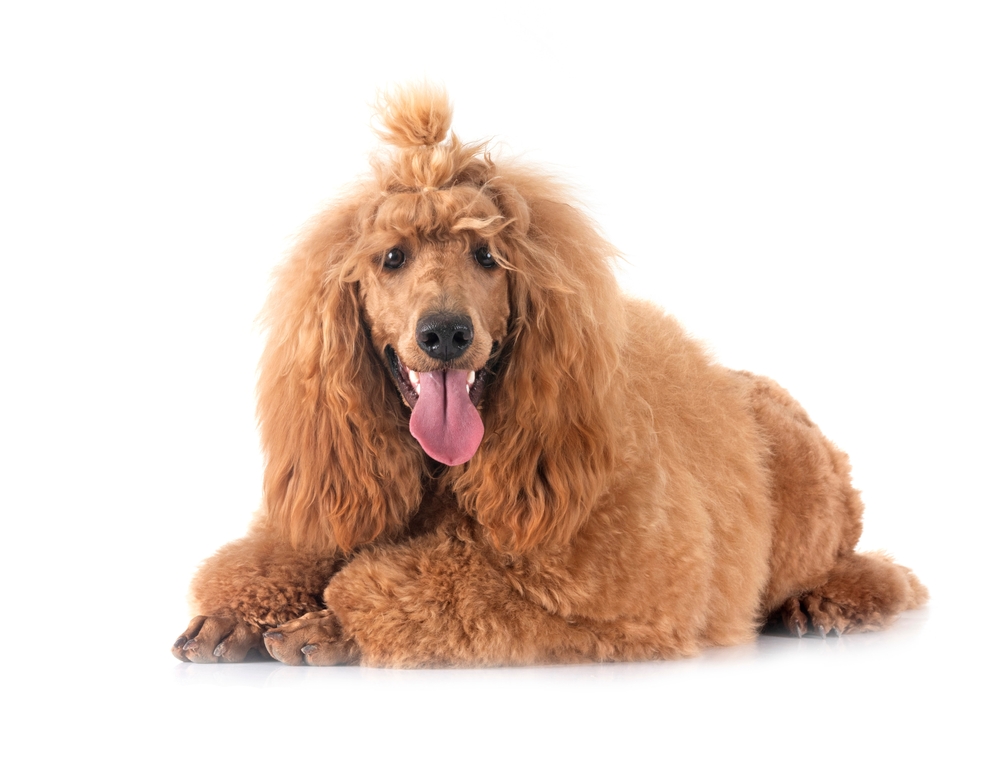
The best low-shedding dog is the one whose size, energy and grooming needs fit your life. Standard and Miniature Poodles, Bichon Frises and several Poodle crosses can leave less loose hair around the home, but their coats usually need frequent brushing and professional clipping. An Italian Greyhound needs much less coat care, yet has very different exercise, training and climate needs.
Here are eight low-shedding dogs worth considering in Australia, including the trade-offs that are easy to miss when you focus on hair alone.
Low-shedding dogs at a glance
| Breed | Typical size | Coat workload |
|---|---|---|
| Standard Poodle | Large | High |
| Miniature Poodle | Small | High |
| Cavoodle (Cavapoo) | Small | Medium to high; coat varies |
| Maltipoo | Small | Medium to high; coat varies |
| Bichon Frise | Small | High |
| Soft Coated Wheaten Terrier | Medium | High |
| Yorkshire Terrier | Small | Medium to high |
| Italian Greyhound | Small | Low |
Does low shedding mean hypoallergenic?
No. The Australasian Society of Clinical Immunology and Allergy says the main source of dog allergen is saliva, which can be spread by dander, and that all dog breeds can cause allergies. Some dogs shed less hair and dander around a home, but a breed label cannot guarantee that an allergic person will tolerate an individual dog.
If allergies are driving the decision, talk with a clinical immunology or allergy specialist before bringing a dog home. Read our fuller guide to what “hypoallergenic” really means.
Eight low-shedding dog breeds to consider
1. Standard Poodle
The Standard Poodle is an athletic, highly trainable large dog with a curly coat that tends to hold loose hair instead of dropping much of it around the home. The trade-off is substantial coat care: regular brushing and professional clipping are needed to prevent painful matting. This is a strong option for an active household, not a low-effort dog.
See the full Standard Poodle profile.
2. Miniature Poodle
The Miniature Poodle offers similar intelligence and low-shedding coat qualities in a smaller frame. It still needs training, exercise and frequent coat care; “miniature” does not mean decorative or inactive. It can suit a smaller home when its mental and physical needs are met.
See the full Miniature Poodle profile.
3. Cavoodle (Cavapoo)
Cavoodles are popular in Australia, but their coats are not identical. As a Cavalier King Charles Spaniel and Poodle cross, an individual puppy may inherit a curlier, lower-shedding coat or a looser coat that sheds more. Ask about the parents, previous litters and the grooming routine—not just a “hypoallergenic” label.
See the full Cavoodle profile. You can also read why Australians use a different name.
4. Maltipoo
This Maltese and Poodle cross is usually small and often low shedding, but coat texture and shedding can vary between dogs. Expect regular brushing, clipping and plenty of company: the compact size does not remove the need for training, enrichment or a realistic plan for time alone.
See the full Maltipoo profile.
5. Bichon Frise
The Bichon Frise is a small companion breed with a dense, curly coat that sheds little into the environment. Loose hair stays in the coat, so brushing and regular trimming are essential. Its sociable nature can suit many homes, provided owners budget time and money for grooming.
See the full Bichon Frise profile.
6. Soft Coated Wheaten Terrier
The Soft Coated Wheaten Terrier is a medium-sized, energetic terrier whose soft single coat sheds relatively little. It needs frequent combing and professional maintenance, along with patient training for the lively terrier personality. It suits an active owner who wants less loose hair, not necessarily less work.
See the full Soft Coated Wheaten Terrier profile.
7. Yorkshire Terrier
The Yorkshire Terrier's fine coat sheds lightly, but a long coat needs frequent brushing and regular trims. A shorter clip reduces day-to-day coat work. Yorkies are small, alert terriers with more confidence and training needs than their size may suggest.
See the full Yorkshire Terrier profile.
8. Italian Greyhound
The Italian Greyhound has a short, fine coat with relatively low shedding and minimal clipping needs. That makes coat care simple, but the breed brings different trade-offs: sensitivity, fragile limbs, challenging toilet training for some dogs and poor tolerance of cold weather. It needs warmth and thoughtful handling in cooler Australian conditions.
See the full Italian Greyhound profile.
What low shedding costs you
Professional grooming. Poodle-type and curly coats keep growing and can mat close to the skin. Regular clipping is an ongoing welfare cost, not a cosmetic extra.
Brushing between appointments. A dog can shed little and still need near-daily detangling. Ask a groomer to demonstrate the correct tools and technique for the individual coat.
Uncertainty with crosses. A crossbred puppy's adult coat may not match a marketing promise. Parent coats and previous litters offer clues, not guarantees.
No allergy guarantee. Lower shedding and lower allergen exposure are not the same claim. Get medical advice if someone in the household has asthma or a known dog allergy.
Find the low-shedding dog that fits your life
Coat type is only one part of a good match. Compare energy, size, training, alone time and climate needs with our dog breed quiz, or browse all breed profiles and filter by shedding level.
Source
Australasian Society of Clinical Immunology and Allergy: Pet Allergy (content updated August 2024).