
“Hypoallergenic dog” sounds like a guarantee. It isn’t. It’s a marketing shorthand that’s been repeated often enough to feel like fact, but the reality is a bit more complicated and a lot more useful once you understand it.
Dog allergies aren’t caused by fur. That’s the first thing to get straight. The reaction most people have comes from proteins found in a dog’s dander, saliva and urine. These proteins become airborne, settle on surfaces and trigger symptoms in sensitive people. Hair just happens to carry them around.
So when people talk about hypoallergenic dogs, what they really mean is dogs that are less likely to spread allergens, not dogs that don’t produce them.
That difference matters.
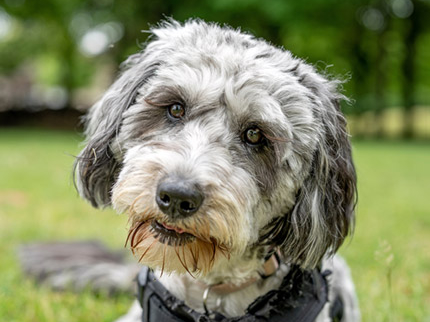
Breeds often labelled as hypoallergenic, like Poodles, Schnauzers and many of the “oodle” crosses, tend to have coats that shed less. Less shedding means fewer loose hairs drifting through the house carrying dander with them. Some also have tighter, curlier coats that trap hair and skin particles instead of releasing them into the environment.
It’s not that these dogs don’t produce allergens. They all do. It’s that they’re a bit better at keeping them contained.
Even then, there’s no universal guarantee. Two dogs of the same breed can affect people differently. One Poodle might be perfectly manageable for someone with allergies, while another still triggers symptoms. The individual dog, the severity of the person’s allergy and the home environment all play a role.
That’s why relying purely on breed lists can lead people into trouble. “Hypoallergenic” is a tendency, not a promise.
There are also practical factors that matter just as much as breed choice. Regular grooming can reduce the amount of dander sitting in the coat. Frequent washing of bedding, vacuuming and decent airflow in the home all help limit how much allergen builds up over time. In other words, how you manage the dog can be just as important as which dog you choose.
It’s also worth noting that some so-called hypoallergenic dogs come with trade-offs. Low-shedding coats often mean higher grooming needs. That tidy, non-shedding coat doesn’t look after itself. It mats, collects debris and needs regular brushing or professional grooming to stay in good condition. You’re swapping loose hair on the couch for time spent maintaining the coat.
For anyone with allergies considering a dog, the smartest approach is simple. Spend time with the breed before committing. Not five minutes. An hour, or ideally several visits. See how your body reacts in real conditions, not just in theory.
In the end, “hypoallergenic” isn’t a label you can rely on blindly. It’s a useful guide, nothing more. Some dogs are easier to live with if you have allergies, but none are completely free of the things that cause them. The goal isn’t perfection. It’s finding a balance you can live with.