

The short answer: a settled adult dog with a manageable coat and needs that match your routine is often a better low-maintenance choice than a puppy picked from an “easy breeds” list. An adult Greyhound, a smooth-coated Chihuahua or an assessed short-coated rescue dog may be worth considering. A smooth-coated Dachshund can be simpler to groom, but brings other responsibilities.
No dog is low effort in every respect. The useful question is which parts of dog care can you comfortably sustain every day? This guide compares the workload, with practical considerations for Australian households.
What does “low-maintenance dog” actually mean?
Decide what you want less of before choosing a breed. Less brushing, less hair on the sofa, shorter walks and easier training are different goals. A dog that suits one can be demanding in another.
| Your priority | What to check | The trade-off |
|---|---|---|
| Simple grooming | A coat you can maintain at home | A short coat can still shed; nails, teeth and skin still need care |
| Less cleaning | The individual dog's shedding and coat | Low-shedding coats may need regular brushing and paid clipping |
| Manageable exercise | Age, health and an established daily routine | Daily activity and mental stimulation remain necessary |
| Manageable behaviour | Observed behaviour around noise, visitors, pets and handling | Training and adjustment to a new home still take time |
| Time away from home | Evidence of how this dog copes alone | Breed labels cannot guarantee a dog will tolerate your working day |
If your main concern is fur around the house, start with our low-shedding dog guide. If you want a calmer companion, compare the options in calm dog breeds. Neither quality automatically means less work overall.
A practical shortlist, with the compromises included
These are starting points for meeting dogs, not a ranking of guaranteed easy pets. Ask a rescue, foster carer or responsible breeder about the particular dog and its history.
1. An assessed adult dog: start with the individual
A rescue dog whose behaviour has been observed in a home can give you useful information about its routine, grooming, toilet habits and comfort around other animals. Choose according to that evidence rather than assuming a crossbred dog is automatically healthier or easier.
The RSPCA explains that assessed older animals can offer fewer surprises than puppies. That does not mean an adult dog arrives fully trained or will behave identically in your home. Allow time for adjustment and ask what support is available after adoption.
Could suit: someone who can meet several dogs and prioritise a known routine. Check first: medical history, coat care, daily activity, alone-time behaviour and compatibility with your household.
2. An adult Greyhound: simple coat care, thoughtful home setup
A Greyhound may suit someone looking for a large companion without a coat that needs clipping. However, adopting one requires more than providing a sofa. Ask about its experience of home life, walking, other dogs, cats and small animals.
The RSPCA's Greyhound care guidance covers behaviour assessment, exercise, enrichment and the transition into a home. Plan safe walking and secure spaces, and discuss any relevant local walking requirements with the adoption organisation.
Could suit: an owner who wants simpler coat care and can support the dog's adjustment. Check first: prey drive, handling, alone-time comfort and a safe exercise routine. A quiet dog is not automatically safe around a cat.
3. A smooth-coated Chihuahua: small size does not remove daily care
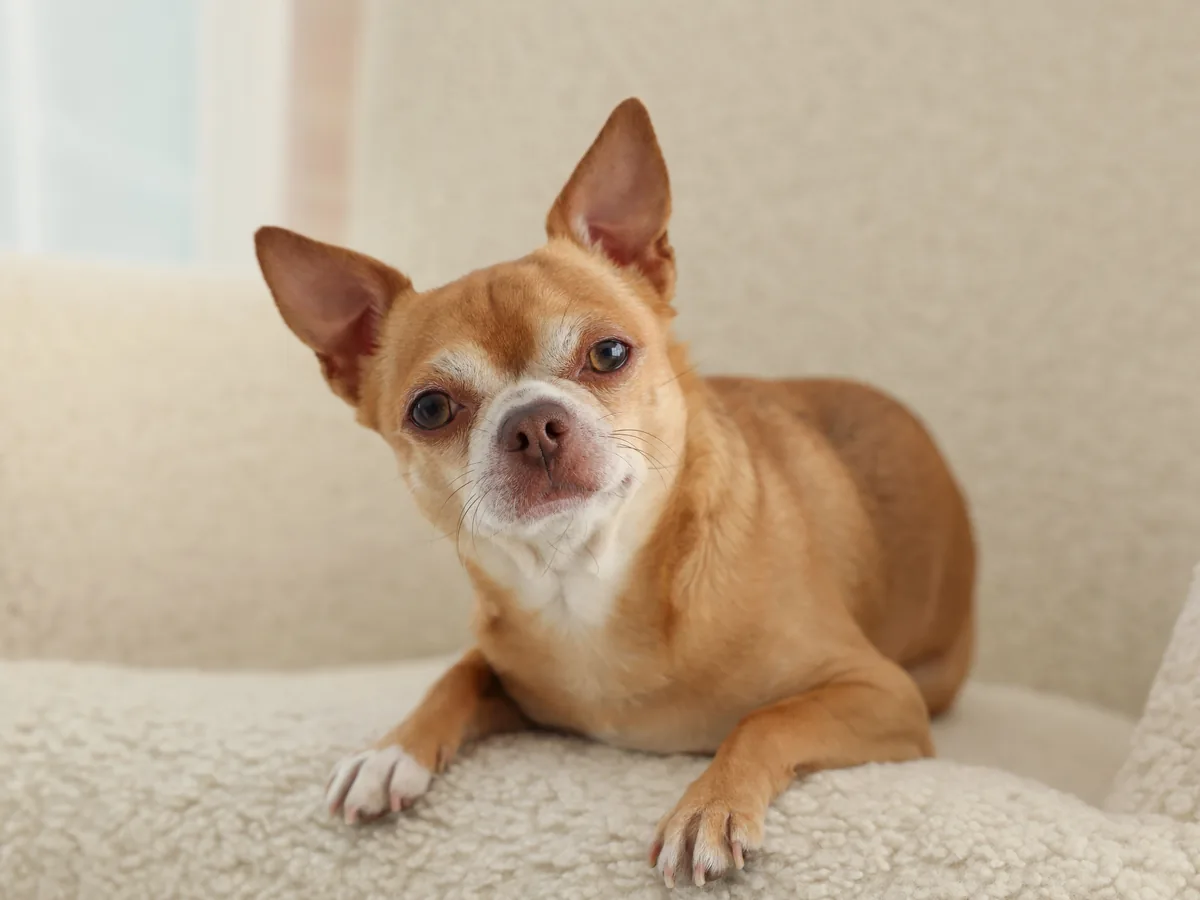
A smooth-coated Chihuahua is an option to investigate if a smaller dog and simpler coat are your priorities. Be specific about coat type: a long-coated dog presents a different grooming choice.
Meet the dog and assess how it responds to everyday handling, unfamiliar people and noise. Its small size should not be used as a reason to skip walks or training. Think carefully about interactions with children and larger dogs.
Could suit: someone who wants a small companion and enjoys regular interaction. Check first: barking, confidence, dental-care needs, handling and actual activity requirements. Small does not mean silent or happy to be left alone.
4. A smooth-coated Dachshund: easier coat, other demands
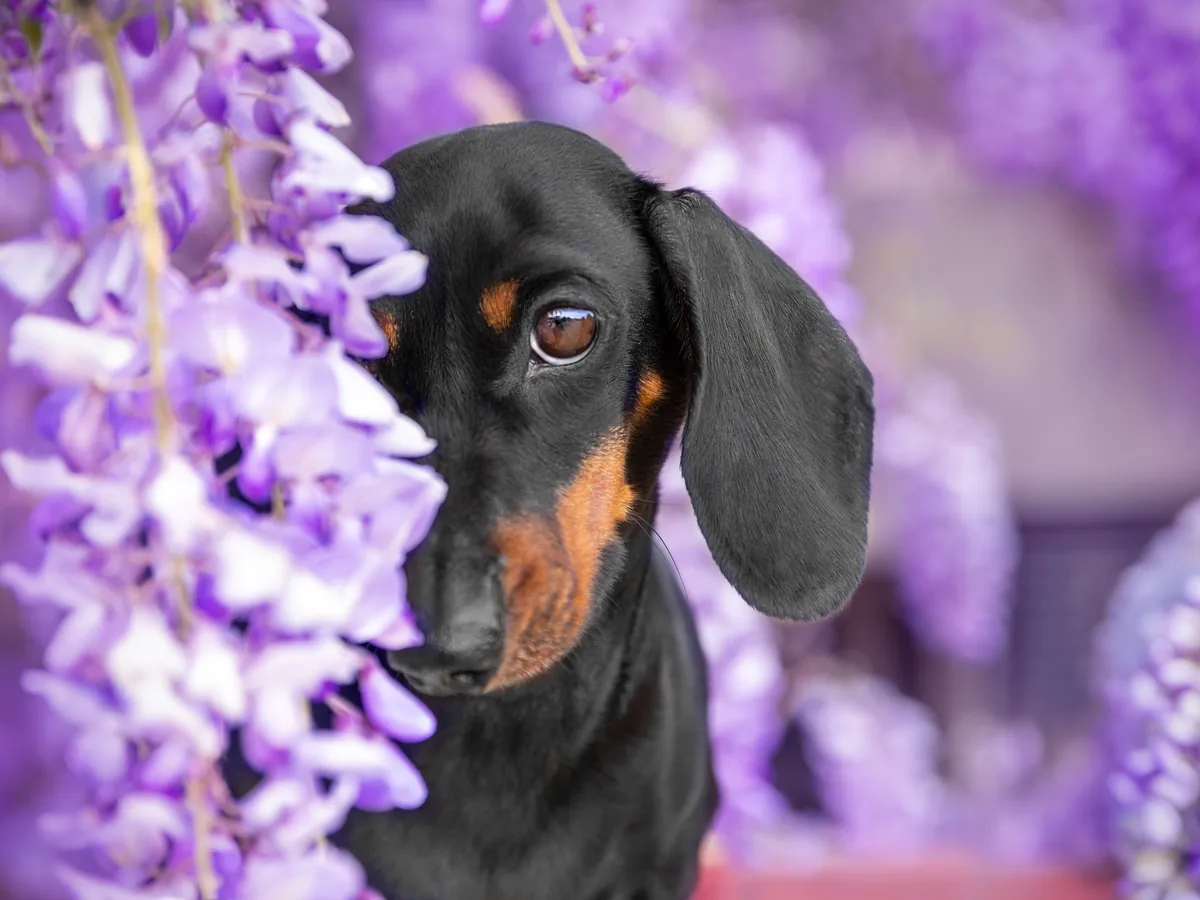
The smooth-coated Dachshund is worth comparing if grooming is your main constraint. Dachshunds also come in longhaired and wirehaired varieties, so an “easy coat” claim should not be applied to every dog. Dogs Australia lists the different coat varieties.
Coat care is only part of the decision. Discuss the dog's health history, back-related risks, suitable activity and weight management with a vet. The RSPCA's dog buyer's guide identifies spinal problems as a consideration for dogs with very long backs.
Could suit: someone seeking a smaller dog with a simpler coat who can accommodate its other needs. Check first: health, barking, training, household access and daily exercise. This is a grooming option, not a promise of minimal care.
Why some popular “easy dogs” need a closer look
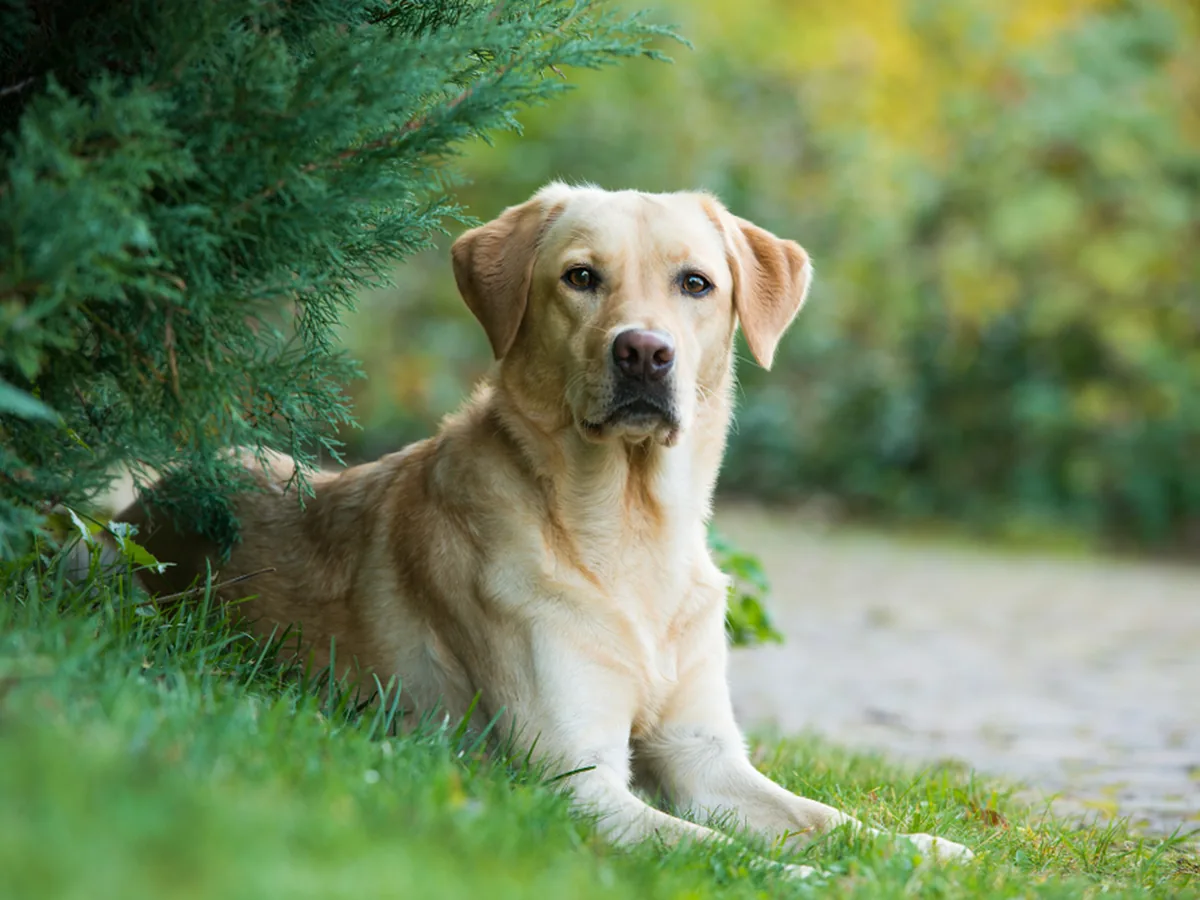
Short-coated does not mean low-shedding. A Labrador can have straightforward coat care while still bringing plenty of loose hair and activity needs. Compare its demands in our Labrador vs Labradoodle guide rather than choosing on coat length alone.
Low-shedding does not mean low-grooming. Ask what brushing, clipping and appointments the actual coat requires. Price that routine with a local groomer before committing.
Limited exercise tolerance does not necessarily mean easy ownership. Flat-faced dogs can have significant health and welfare needs. The RSPCA explains the concerns around flat-faced breeds. Do not interpret difficulty breathing or coping with activity as a desirable low-maintenance trait.
Build a realistic care plan for an Australian home
Before meeting dogs, write down what you can provide on an ordinary weekday, including the days when work runs late.
- Daily activity: when will walks, play, training and quiet rest happen? Include a plan for hot weather and wet days.
- Time alone: who can help if the dog struggles? Budget for support rather than assuming a particular breed solves the problem.
- Coat and hygiene: can you brush and handle the dog comfortably? Include nail care and an appropriate dental-care routine.
- Regular costs: seek local prices for food, preventive veterinary care, grooming and any walking or day-care support you expect to use.
- Unexpected costs: decide how you will fund veterinary treatment and care when your circumstances change.
- Home setup: check fencing, access, tenancy arrangements and where the dog can retreat from noise or visitors.
The RSPCA's grooming guidance explains why grooming matters beyond appearance. A simple coat does not remove the need to check and care for the dog.
Questions to ask before you choose
- What does this dog currently do on a typical day?
- What has been observed when it is left alone, and for how long?
- What grooming and handling does it accept comfortably?
- How does it behave around children, cats, other dogs and visitors?
- What health checks, ongoing care or known problems should I discuss with my vet?
- What help is available if the transition is difficult?
Ask for concrete examples rather than “good family dog” or “easy to look after”. A dog observed only in a kennel has not necessarily demonstrated how it behaves in a busy home.
Frequently asked questions
What is the most low-maintenance dog?
There is no single winner. Start with a settled adult dog whose coat, health, behaviour and activity needs fit your capacity. The best match depends on whether your main constraint is grooming, exercise, cleaning, cost or time away.
Are low-shedding dogs easier to care for?
They may reduce loose hair around your home, but their coats can still require regular brushing and professional grooming. Compare the full routine in our low-shedding guide.
Can a low-maintenance dog be left alone all day?
No breed label guarantees that. Ask about observed alone-time behaviour and plan help where needed. A dog needs care and companionship even when its coat is easy to maintain.
Is an older dog always easier than a puppy?
An adult can offer a clearer picture of size and established behaviour, but may still need training and support. A senior dog's health needs may add time and expense. Evaluate the individual rather than treating age as a guarantee.
Find the dog that fits your actual routine
Use our dog breed matching quiz to compare your home, experience, grooming preferences and activity level. Treat the results as a shortlist for further research and meeting dogs, not a substitute for assessment.
If you are new to dog ownership, our first-time owner guide covers the broader suitability decision. The goal is a routine you can sustain, with a dog whose needs you understand.