
Most of us grew up hearing the same simple rule: one dog year equals seven human years.
It is easy to remember. It sounds neat. It also feels roughly believable when you think about a 10-year-old dog being "about 70".
The problem is that it is not really how dogs age.
Dogs do not move through life at a steady seven-to-one pace compared with humans. A one-year-old dog is not the same as a seven-year-old child. In most cases, a one-year-old dog is already physically mature, sexually mature, full of energy, and somewhere closer to a human teenager than a primary-school kid.
The better way to think about dog years is this: dogs age very quickly early in life, then the pace slows down. That is why the old "multiply by seven" rule falls apart.
A one-year-old dog is not seven
The first year of a dog's life is enormous.
In that single year, a puppy goes from a tiny, helpless animal to something much closer to an adult dog. They grow rapidly, learn social rules, develop teeth, build muscle, test boundaries, hit adolescence, and often reach close to their adult size.
A seven-year-old human is still very much a child. A one-year-old dog is not.
A more useful rough guide is that the first year of a medium-sized dog's life is closer to about 15 human years. The second year adds roughly another nine. After that, each dog year is often estimated at around four to five human years, depending on the dog.
A better rule of thumb
Year one: roughly 15 human years — a huge developmental leap.
Year two: roughly another 9 human years — well into early adulthood.
After that: roughly 4–5 human years per year — a steadier climb.
Not as catchy as "times seven", but much closer to reality.
Dogs age fast early, then slow down
The strange thing about dog ageing is that the curve is steep at the beginning and flatter later on.
A puppy changes dramatically in the first few months. By six months, many dogs are already in the awkward teenage stage. By one year, plenty are strong, fast, impulsive and full of adult-looking confidence — even if their brain still has a few software updates pending.
By two years old, most dogs are well into adulthood.
After that, ageing becomes less dramatic year to year. A four-year-old and a five-year-old may not seem wildly different. A seven-year-old and an eight-year-old may still be enjoying walks, games and family life in a very similar way. Dogs do not age like a clock ticking evenly against human years. Their ageing is more like a sprint at the start, then a jog.
Size changes everything
There is another complication: not all dogs age at the same rate.
Small dogs often live considerably longer than large or giant dogs. A Maltese, Dachshund, or Chihuahua may stay lively well into their teens — sometimes past 15 or 16 years. A giant breed such as a Great Dane, Mastiff, or Irish Wolfhound usually has a much shorter average lifespan, often just 6–10 years.
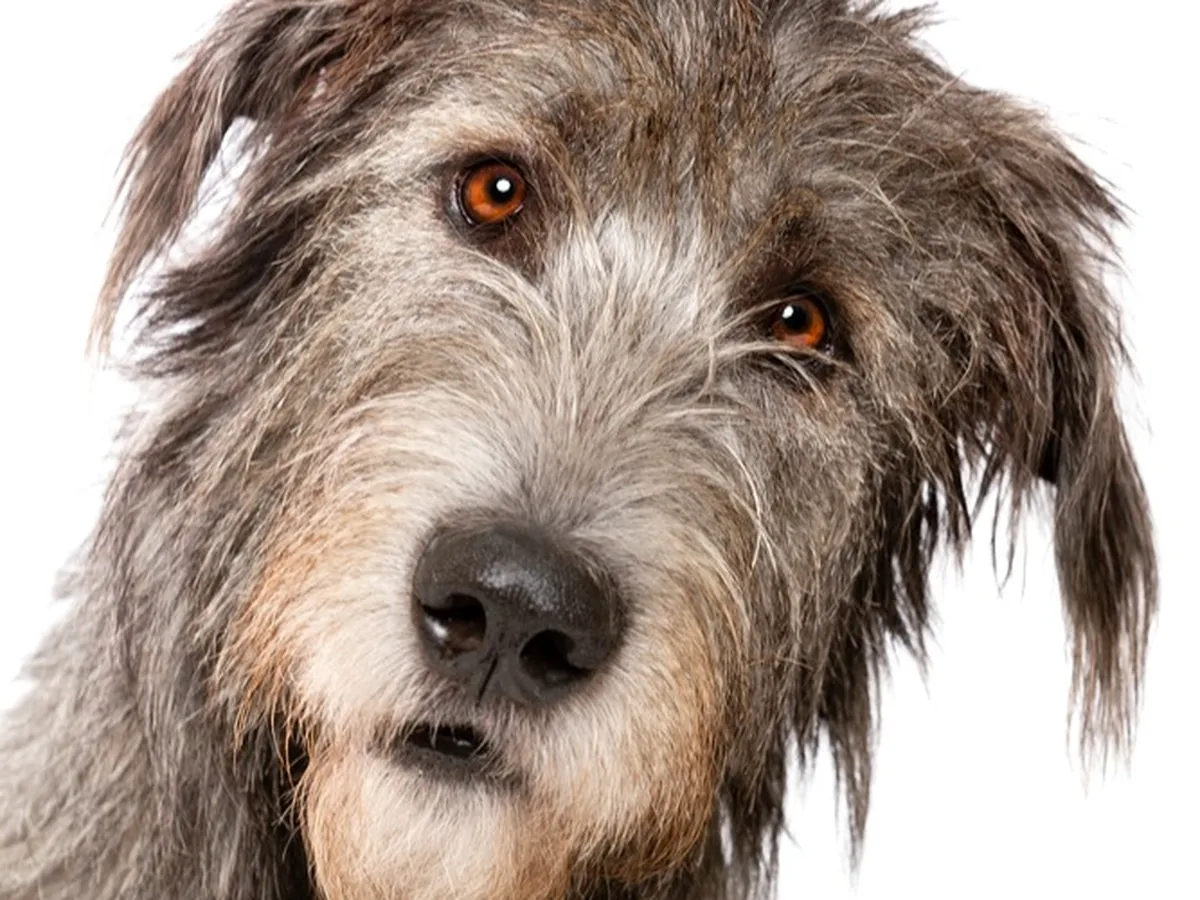
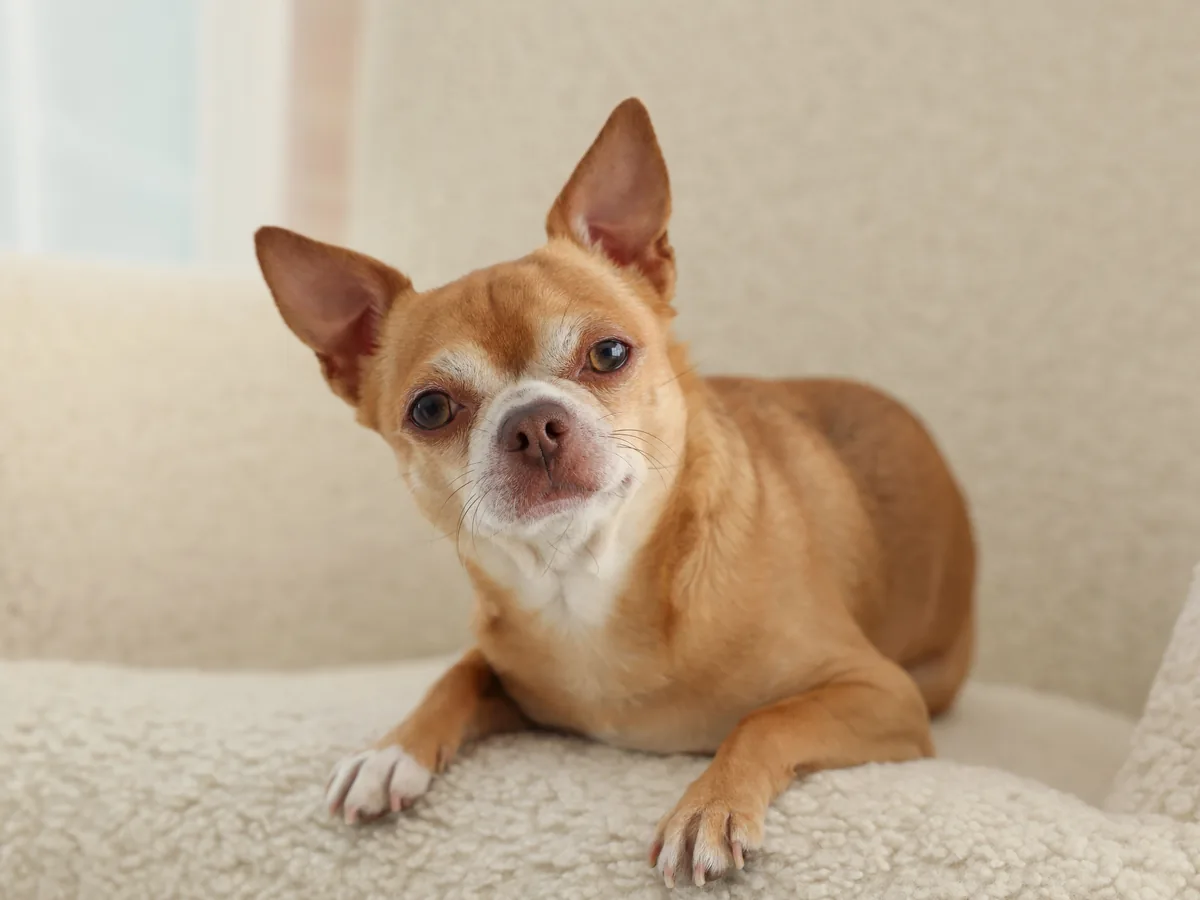
This creates one of the oddest things about dog ageing. Large dogs often mature more slowly as puppies, but they tend to become senior earlier. Small dogs may reach adult size quickly, but they often age more slowly through later life.
So a seven-year-old small dog may still feel middle-aged. A seven-year-old giant breed may already be considered senior. That is why any dog age chart should be treated as a guide, not a verdict. Breed, size, genetics, weight, lifestyle, diet and health care all matter.
Lifespan by size: some examples
A better dog years guide
There is no perfect dog-to-human age calculator, but this gives a more realistic picture than multiplying by seven. Note that large and giant breeds will tend to age faster in the later years, while small breeds may age more slowly.
| Dog's age | Rough human equivalent |
|---|---|
| 6 months | Around 10 years |
| 1 year | Around 15 years |
| 2 years | Around 24 years |
| 3 years | Around 28 years |
| 4 years | Around 32 years |
| 5 years | Around 36 years |
| 6 years | Around 40 years |
| 7 years | Around 44 years |
| 8 years | Around 48 years |
| 9 years | Around 52 years |
| 10 years | Around 56 years |
The main lesson is simple: your dog's first two years are the biggest leap. After that, the maths slows down — and the breed matters a great deal.
Why the myth stuck around
The seven-year rule probably became popular because it was simple.
Humans often live into their 70s or 80s. Dogs often live somewhere around 10 to 13 years, depending on size and breed. Divide one by the other and you get a rough seven-to-one ratio. As a broad average, you can see where the idea came from.
But averages hide too much. They do not explain puppyhood. They do not explain why a one-year-old dog is nothing like a seven-year-old child. And they certainly do not explain why a 10-year-old Jack Russell Terrier may still be bossing the household while a 10-year-old Great Dane is very much in old age.
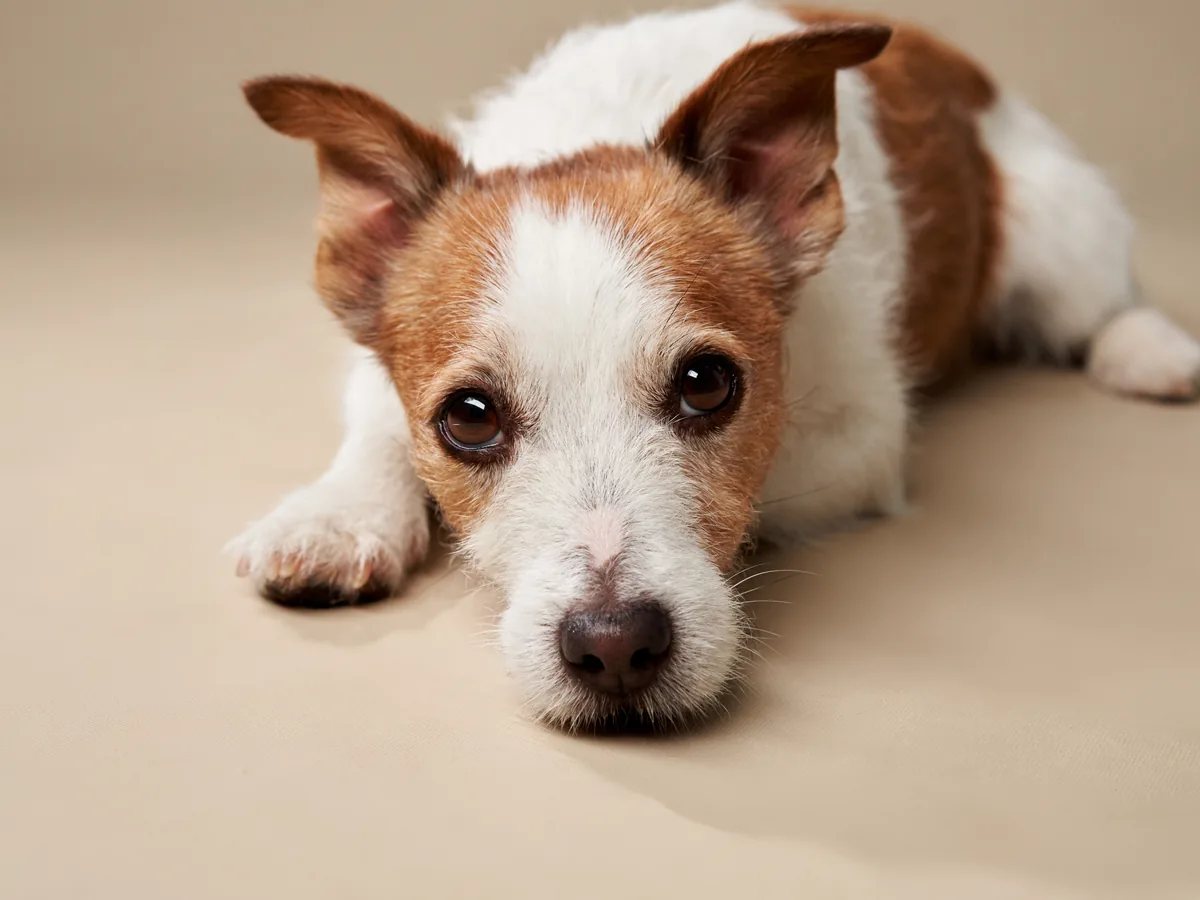
The Jack Russell Terrier — one of the longest-lived small breeds, often thriving well past 13 years.
The rule is memorable, but it is too blunt.
What your dog's age really tells you
Thinking about dog years is not just a trivia game. It helps you understand what your dog needs at each stage of life.
A puppy needs patience, training, socialisation, sleep and structure. They may look grown-up before they can behave grown-up.
A young adult dog needs exercise, boundaries, mental stimulation and a routine that suits their breed and energy level.
A middle-aged dog may still be active, but this is the time to watch weight, teeth, joints and fitness. A little extra care here can make the senior years much better.

The Golden Retriever — a beloved large breed with a typical lifespan of 10–12 years, often considered senior from around age 8.
A senior dog may need gentler exercise, more regular vet checks, softer bedding, adjusted food and more patience. They are not "just getting old". They are entering a life stage that deserves attention.
What counts as "senior" depends heavily on the dog. A Golden Retriever is often considered senior around 8. A Chihuahua or Dachshund might not slow down noticeably until 10 or 11. An Irish Wolfhound may be in their senior years by 6 or 7.
So how old is your dog, really?
Your dog's real age is not just a number. It is a mix of age, size, breed, health, behaviour and lifestyle.
A one-year-old dog is not seven. A two-year-old is not fourteen. A tiny senior and a giant senior are not ageing at the same speed.
So instead of asking, "How old is my dog in human years?", the better question is:
What life stage is my dog in, and what do they need from me now?
That is where the useful answer is.
The dog years myth may be simple, but dogs are not simple. They grow quickly, mature unevenly, age differently by size, and somehow manage to be puppies, teenagers, athletes, loungers and old souls all in one lifetime.
Which is probably why we love them so much.