
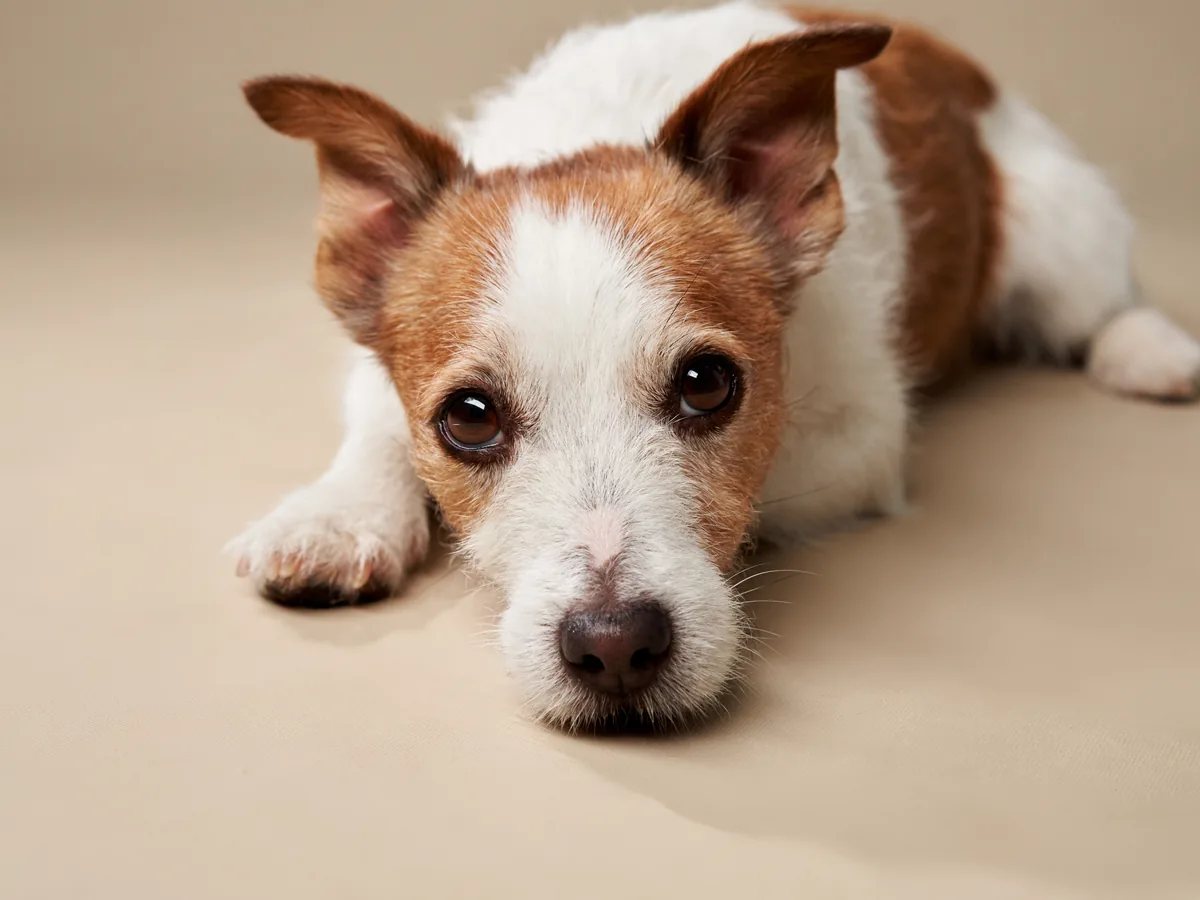
The Jack Russell Terrier was designed to do one thing extraordinarily well: go to ground after fox. Small enough to follow quarry underground, tenacious enough not to stop when it got there, and loud enough to let the hunt know where it was. Every trait that made the Jack Russell effective in the field is present in the domestic dog — the boldness, the independence, the digging, the relentless energy, the voice — and they don't disappear simply because there are no foxes in your garden.
Make no mistake about the energy. A Jack Russell is a 6–8 kg animal that operates at an intensity that larger breeds don't match. They need proper daily exercise, not a casual walk, and they need mental engagement alongside it. A Jack Russell without adequate stimulation will find its own projects, and those projects will invariably involve your furniture, your garden, or something that was previously intact.
They're bold in a way that requires management. They don't accept the authority of larger dogs automatically, they'll investigate anything interesting regardless of whether it's advisable, and the prey drive is strong enough that small animals in the household require honest consideration.
With older children they're spirited and entertaining companions. With very young children the combination of high energy and low tolerance for mishandling is a consideration that requires honest evaluation.
Training is achievable and genuinely rewarding when it works. Jack Russells are intelligent and respond well to positive reinforcement — but they're working dogs with strong instincts and they'll challenge inconsistent handling reliably. They need to understand that you're worth following.
For an experienced, active owner who wants a dog with genuine personality and limitless spirit in a compact package, the Jack Russell delivers completely. Just be honest about what that spirit actually means at 7am on a Tuesday.