
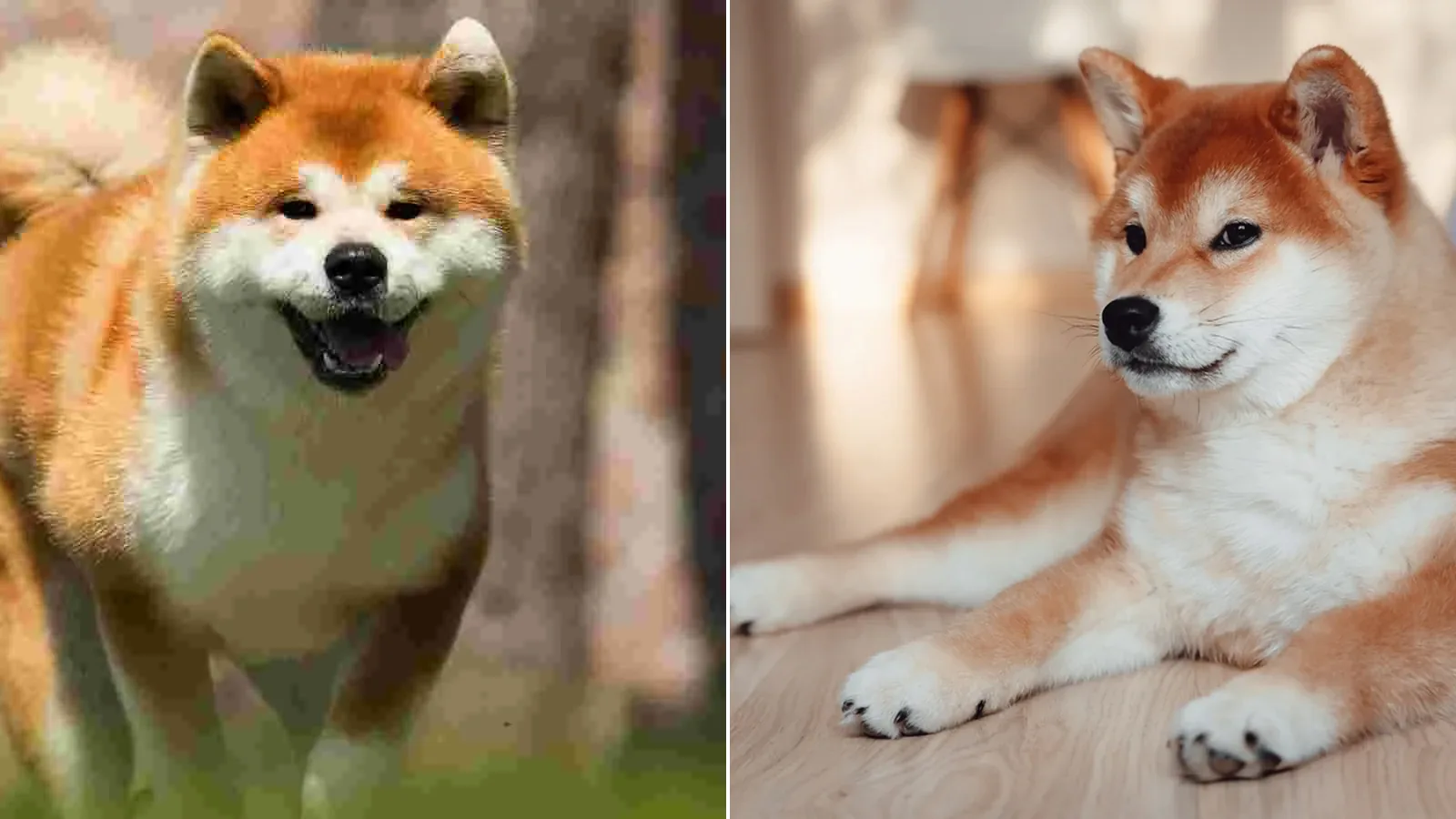
Short answer: the Akita and the Shiba Inu are both Japanese spitz breeds with curled tails, fox-like faces and a famously independent streak. The big difference is size. An Akita is a large, powerful guardian of 32 kg or more. A Shiba is a small, quick hunter of 8–11 kg. Neither is an easy dog. The Akita needs an experienced owner and usually does best as the only dog. The Shiba is easier to house and handle, but it's an escape artist that rarely comes when called.
Akita vs Shiba Inu at a glance
Ratings are 1 to 5 from our breed database.
| Trait | Akita | Shiba Inu |
|---|---|---|
| Weight | 32–59 kg | 8–11 kg |
| Height | 61–71 cm | 35–41 cm |
| Lifespan | 10–13 years | 13–16 years |
| Good with kids | 2 / 5 | 3 / 5 |
| Good with other pets | 1 / 5 | 2 / 5 |
| Training ease | 2 / 5 | 2 / 5 |
| Energy | 3 / 5 | 3 / 5 |
| Shedding | 5 / 5 | 4 / 5 |
| Barking | 2 / 5 | 2 / 5 |
| Apartment friendly | 2 / 5 | 3 / 5 |
| Heat tolerance | 2 / 5 | 2 / 5 |
The Akita weight range is wide because it covers both the Japanese and the heavier American type (more on that below).
How to tell an Akita from a Shiba Inu
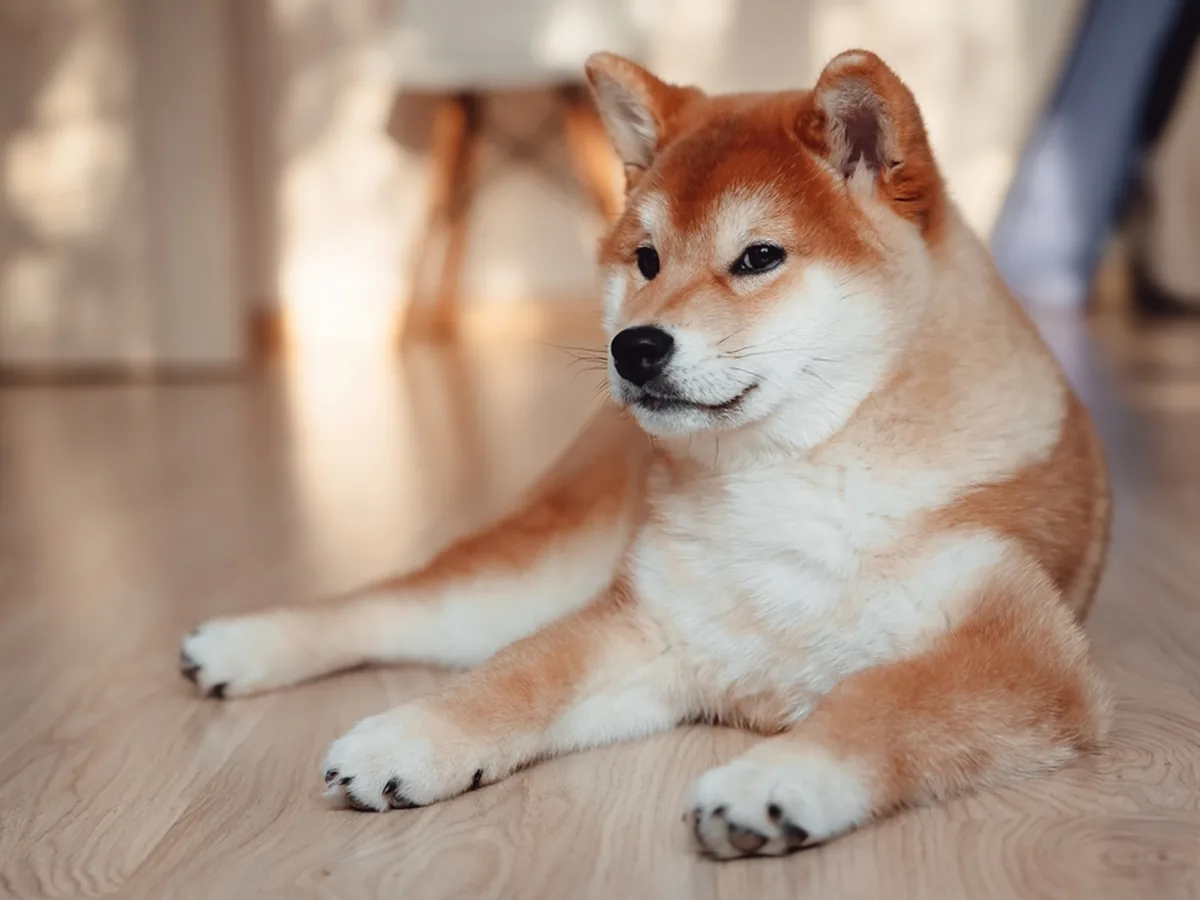
In photos they can look almost identical: the same pricked ears, the same curled tail, the same red coat with white markings on the cheeks, chest and legs (the Japanese call these markings urajiro). In person, it's easy.
- Size: an adult Akita stands 61–71 cm at the shoulder. A Shiba is 35–41 cm, about knee height. An adult Shiba is often mistaken for an Akita puppy.
- Build: the Akita is heavy-boned with a broad, bear-like head. The Shiba is light and quick, with a finer, more fox-like face.
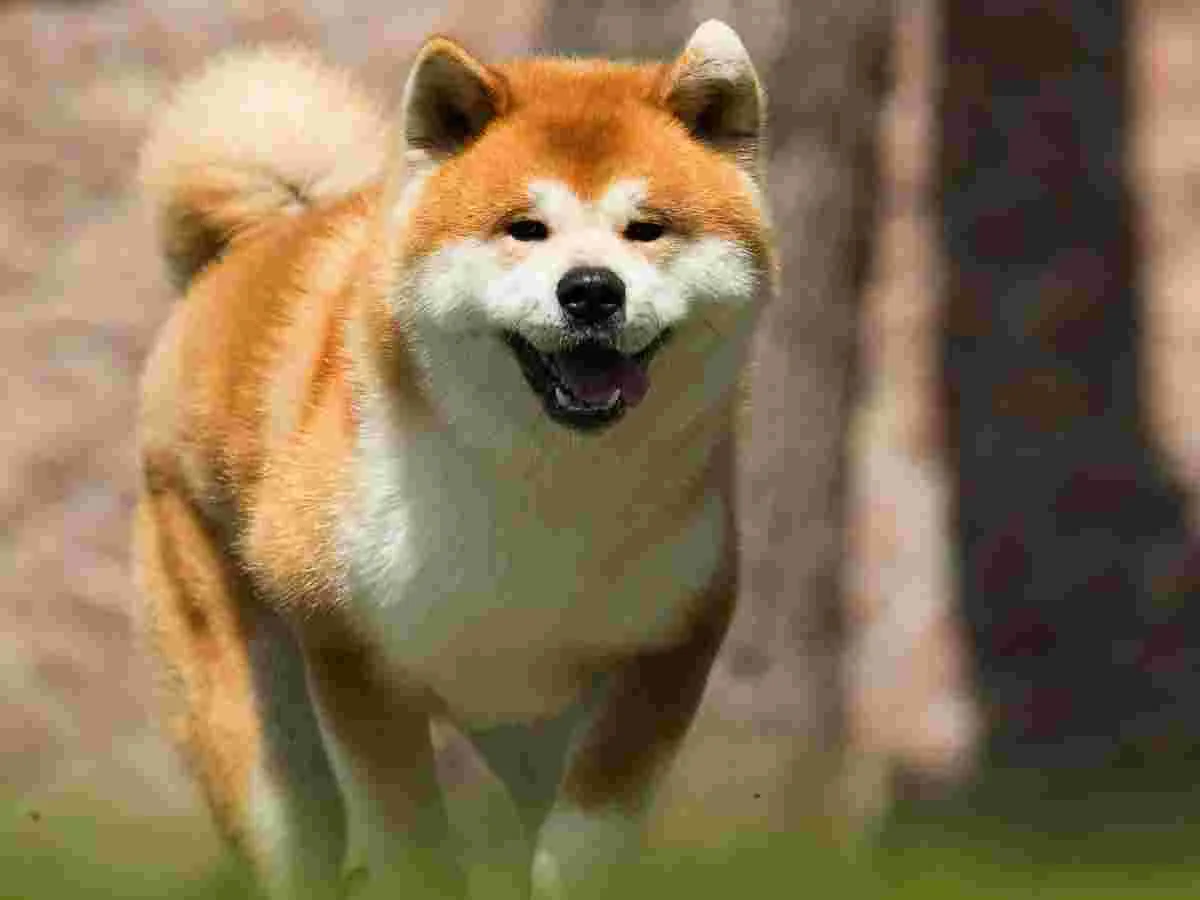
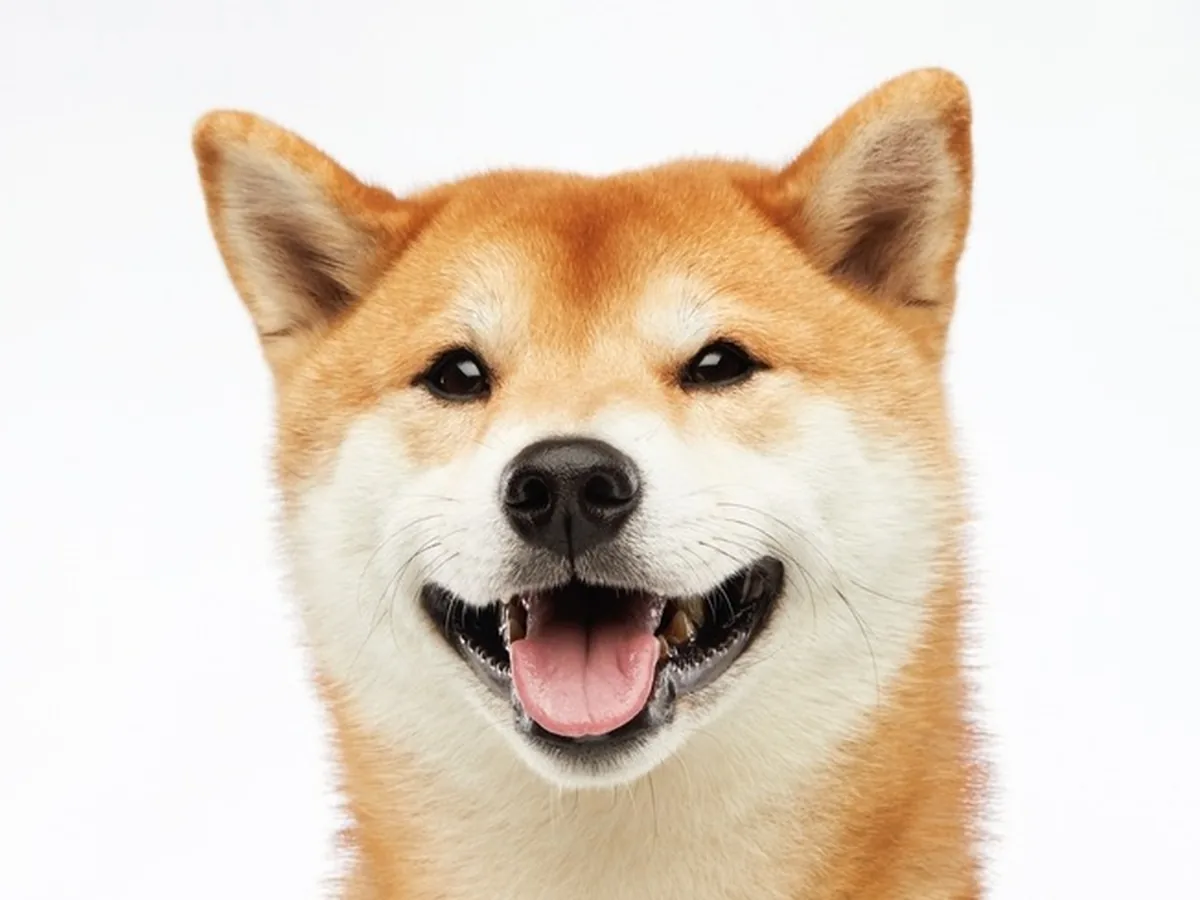
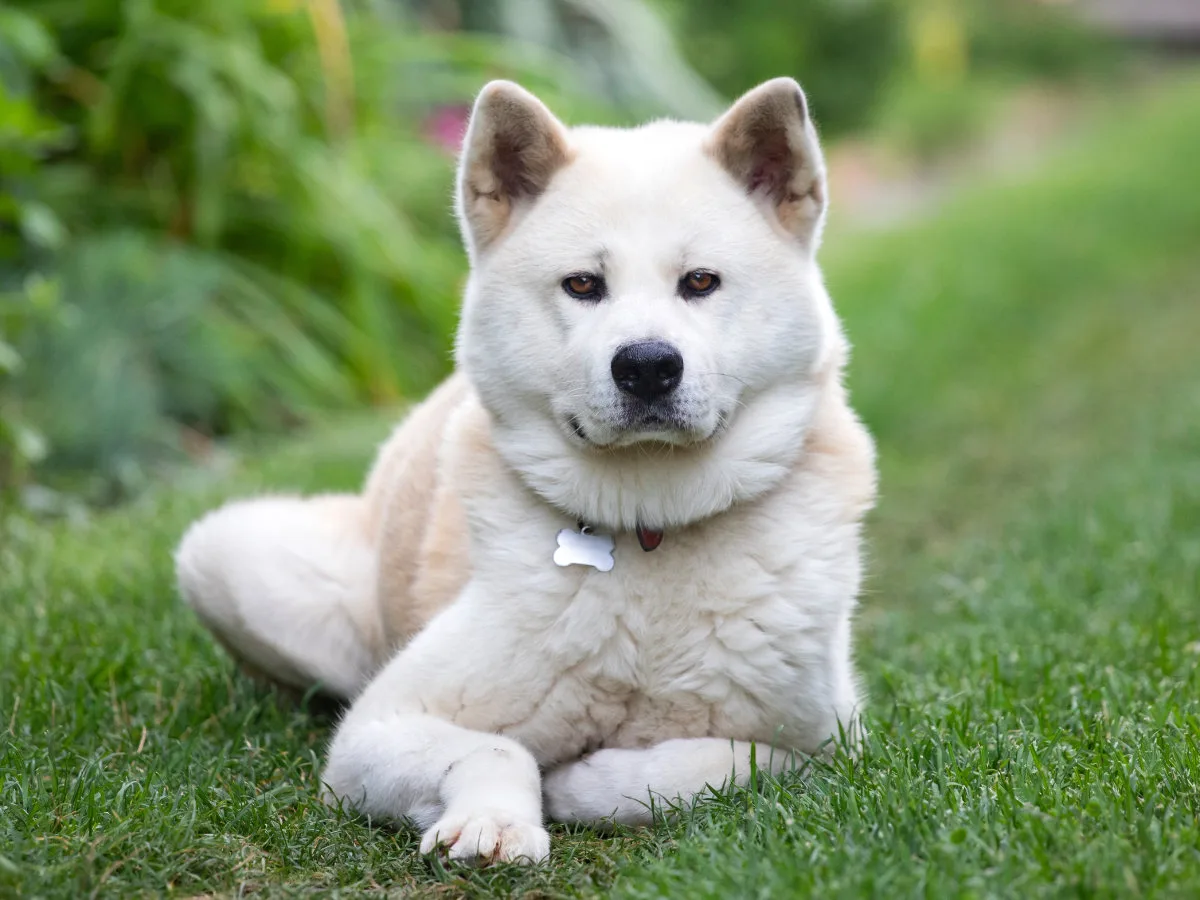
- Colour: Shibas come in red, black and tan, and sesame (red with black-tipped hairs), all with cream markings. Japanese Akitas come in red fawn, sesame, brindle and white. American Akitas can be almost any colour, often with a black mask, which the Japanese type doesn't have.
Same country, different jobs
Both breeds are among Japan's six native spitz breeds. The Shiba is the smallest of them, and the Akita is the largest.
The Akita comes from the mountains of Akita Prefecture in northern Japan, where it hunted large game and guarded property. Its most famous representative is Hachikō, the Akita who waited at Tokyo's Shibuya Station for his owner every day for almost ten years after the owner died in 1925. There's a statue of him outside the station today. That devotion to one family is the breed's best trait, and it comes with a protective streak to match.
The Shiba Inu was bred to flush birds and small game in dense mountain brush. That job needed a dog that was fast, alert and able to think for itself, and that's exactly what you get.
Japanese Akita or American Akita?
This matters if you're looking for an Akita in Australia. Dogs Australia recognises two separate breeds: the Akita (the American type, bigger and heavier) and the Akita (Japanese), which has been shown as a separate breed since 2013. The Japanese type is lighter and more fox-like, with no black mask. The American type has a broader, bear-like head and more bulk.
Both are big, strong, independent dogs. If you're buying a puppy, ask the breeder which one it is, and meet the parents.
Temperament
Owners of both breeds often describe them as cat-like. They're clean, quiet, keep themselves tidy, and decide for themselves when they want affection. Both score 2/5 for training ease. That isn't a lack of brains. They simply don't see much point in doing what you ask unless there's something in it for them.
The Akita
The Akita is calm and dignified at home, devoted to its own family and reserved, often wary, with strangers. It's a natural guardian, and a large, powerful one. Akitas are well known for not tolerating other dogs, especially of the same sex, which is why the breed scores 1/5 with other pets. Dog parks are usually a bad idea. With young children it needs close supervision; a big dog that doesn't like being pestered is a risk to a toddler (2/5 with kids).
The Akita isn't on Australia's restricted breed list. People sometimes confuse it with the Japanese Tosa, a different breed that is restricted. Our banned dog breeds in Australia guide has the full list.
The Shiba Inu
The Shiba is bold, alert and full of character. It's loyal to its people but rarely clingy, and often aloof with visitors. Three traits catch new owners out:
- Recall: a Shiba off-lead near something it wants to chase is a Shiba you may not see again for a while. Most owners keep them on lead outside a fenced area for life.
- Escaping: they climb, dig and slip through gaps. Check your fences before you bring one home.
- The "Shiba scream": Shibas don't bark much, but when they object to something, such as a nail trim or a bath, they can let out a loud, high-pitched scream.
Coat, shedding and the Australian heat
Both breeds have a thick double coat built for Japanese winters. They shed steadily all year, then "blow" their undercoat once or twice a year, when the fur comes out in handfuls for a few weeks. A weekly brush is enough most of the time. During a blow, brush daily. The Akita sheds more, simply because there's so much more dog.
Both score 2/5 for heat tolerance. In an Australian summer that coat is a real burden. Walk early in the morning or late in the evening, give shade and plenty of water, and have a cool spot indoors on hot days. Don't shave the coat: a double coat also insulates against heat, and shaving can damage how it grows back. The RSPCA's heatstroke advice lists the warning signs, and our best dogs for hot climates guide covers breeds that cope better.
Health and lifespan
- Akita: 10–13 years. Ask the breeder for hip and elbow scores on both parents and for eye tests. Like other large, deep-chested dogs, Akitas can get bloat (gastric dilatation-volvulus), a twisted stomach that needs emergency surgery. Feeding two smaller meals a day and avoiding hard exercise straight after meals are the usual precautions. Learn the signs: a swollen belly, restlessness and retching without bringing anything up.
- Shiba Inu: 13–16 years, one of the longer-lived breeds. Ask about hip scores, kneecap (patella) checks and eye tests. Skin allergies are common in the breed, so itching and paw-licking are worth raising with your vet early.
Which one suits you?
Choose an Akita if:
- You've owned a large, strong-willed dog before and are confident handling one.
- You want a calm, loyal guardian that's devoted to one family.
- It will be your only dog, or you'll pair it carefully with an opposite-sex dog.
- You have no small pets, a secure yard, and somewhere cool for it in summer.
Choose a Shiba Inu if:
- You want a small, clean, quiet dog with a big personality.
- You're happy to keep it on lead outside a fenced area, probably for life.
- You can escape-proof your yard and put in steady, patient training.
- You'd like a dog that may be with you for 15 years or more.
Neither is a natural first dog. If you're new to dogs, our best dogs for first-time owners guide is a better place to start. You can also read the full Akita and Shiba Inu profiles.
Still not sure? Our free dog breed matching quiz weighs your home, climate, experience and time against more than 200 breeds, including both of these.
Akita vs Shiba Inu FAQs
Is a Shiba Inu a small Akita?
No. They're separate breeds, both from Japan, with a similar look. The Akita was bred to hunt large game and guard, the Shiba to flush birds and small game. An adult Shiba weighs 8–11 kg; an Akita weighs 32 kg or more.
Which is better with children?
The Shiba (3/5 against the Akita's 2/5), though neither is ideal for young children. Both dislike rough handling. With an Akita, the size and protective instinct make close supervision essential.
Which is easier to train?
Both score 2/5. They're intelligent but independent, and they learn best with short, reward-based sessions. Early socialisation matters, especially for the Akita around other dogs and strangers.
Can Akitas and Shibas live with other dogs?
Shibas often can, with good socialisation, though they can be bossy. Akitas often can't, especially with dogs of the same sex. Many Akita breeders recommend keeping one as an only dog.
Do Akitas and Shibas bark a lot?
No. Both are quiet breeds (2/5 for barking). The Akita barks mainly when there's a real reason. The Shiba makes up for its quietness with the occasional dramatic "Shiba scream".
Which handles Australian heat better?
Neither does well (both 2/5). The Shiba's smaller body sheds heat a little more easily, but both need early and late walks, shade, water and a cool indoor space in summer.
Sources and further reading
- Dogs NSW: Akita (Japanese)
- Dogs NSW: Akita
- Dogs NSW: Shiba Inu
- Nihonken Hozonkai (Japanese Dog Preservation Society): Shiba Inu
- The Kennel Club (UK): Japanese Akita Inu breed standard
- RSPCA Knowledgebase: How can I protect my dog from heatstroke?
This article is general information, not veterinary advice. Checked November 2026; talk to your vet and breeder about health testing before you buy a puppy.
Cover photo: an Akita and a Shiba Inu. All photos: Shutterstock.