
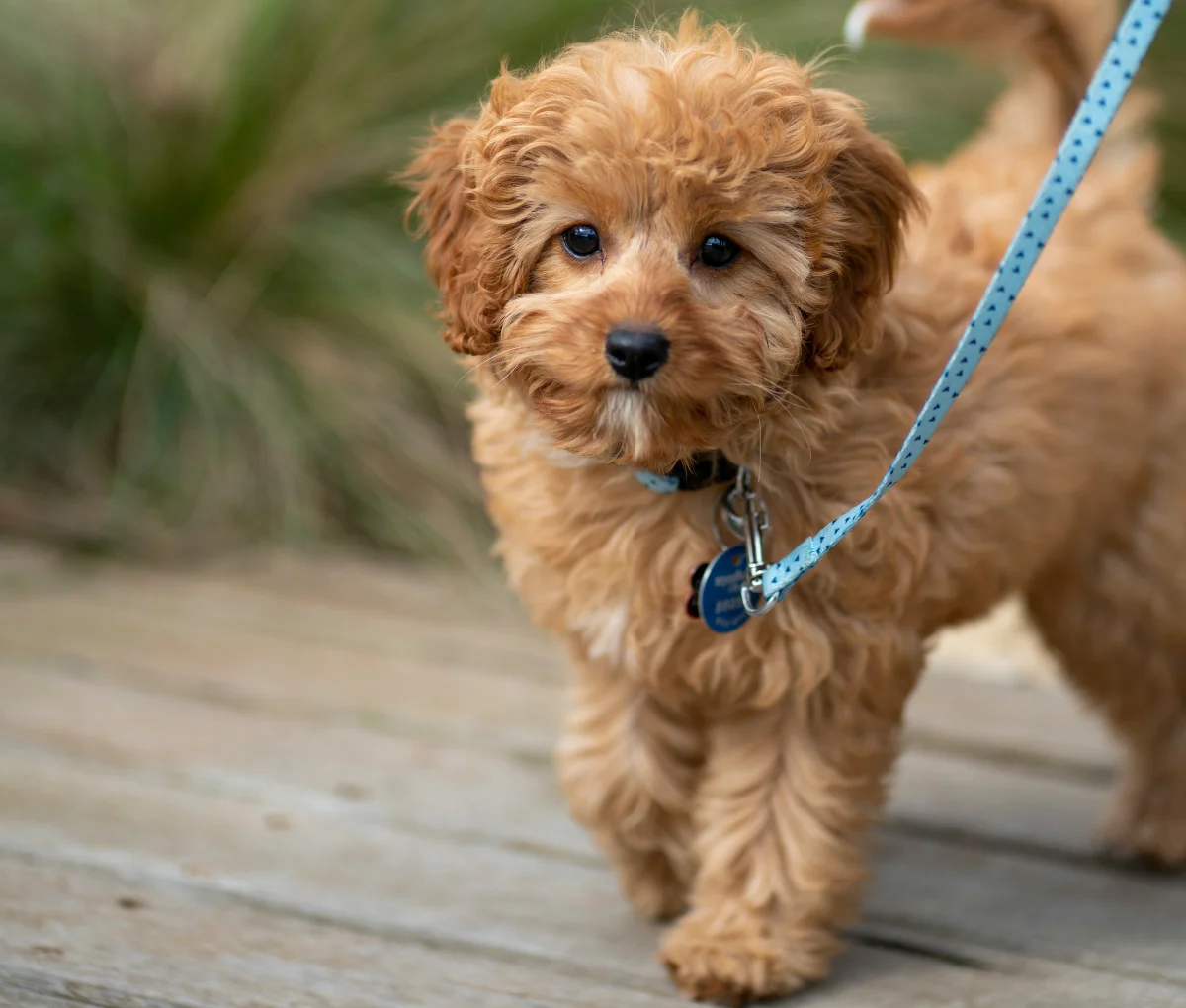
Short answer: a Toy Cavoodle is a Cavalier King Charles Spaniel crossed with a Toy Poodle, the smallest Poodle at under 28 cm tall. "Toy" and "Mini" are breeder labels, not official sizes. A Toy Cavoodle's adult size depends mostly on its parents, so the best way to predict how big a puppy will get is to ask how big its mum and dad are.
In Australia, Toy is by far the most searched-for Cavoodle size. This guide explains where Toy and Mini sizes come from, what full grown really looks like, why "teacup" is a warning sign, and what to ask before you buy.
Toy Cavoodle size at a glance
Cavoodles aren't a recognised breed, so there's no official size standard. The parent breeds do have standards, and they're the most reliable guide you have.
| Dog | Size | Source |
|---|---|---|
| Cavalier King Charles Spaniel | 5.4–8.2 kg | Dogs Australia breed standard |
| Toy Poodle | Under 28 cm at the shoulder | Dogs Australia breed standard |
| Miniature Poodle | 28–38 cm at the shoulder | Dogs Australia breed standard |
| Cavoodles overall | About 5–12 kg and 28–35 cm | Greencross Vets |
A Toy Cavoodle, bred from a Toy Poodle, usually sits toward the smaller end of the Cavoodle range. A Mini, bred from a Miniature Poodle, usually sits toward the larger end. Individual puppies can land anywhere between their parents.
Toy vs Mini Cavoodle: what's the difference?
The difference is the Poodle parent. Under the Dogs Australia standard, a Toy Poodle stands under 28 cm at the shoulder. A Miniature Poodle stands 28–38 cm. Breed a Cavalier to the smaller Poodle and you'd expect a smaller Cavoodle.
The catch is that breeders use "Toy" and "Mini" in different ways, and their size claims for the same label can vary a lot from one website to the next. Later generations add more variation. An F1B Cavoodle, for example, is bred back to a Poodle, so its size and coat tend to lean more towards that Poodle. Our guide to designer dog generations explains F1, F1B and beyond.
The practical rule: ignore the label and ask for numbers. What do both parents weigh as adults, and how tall are they?
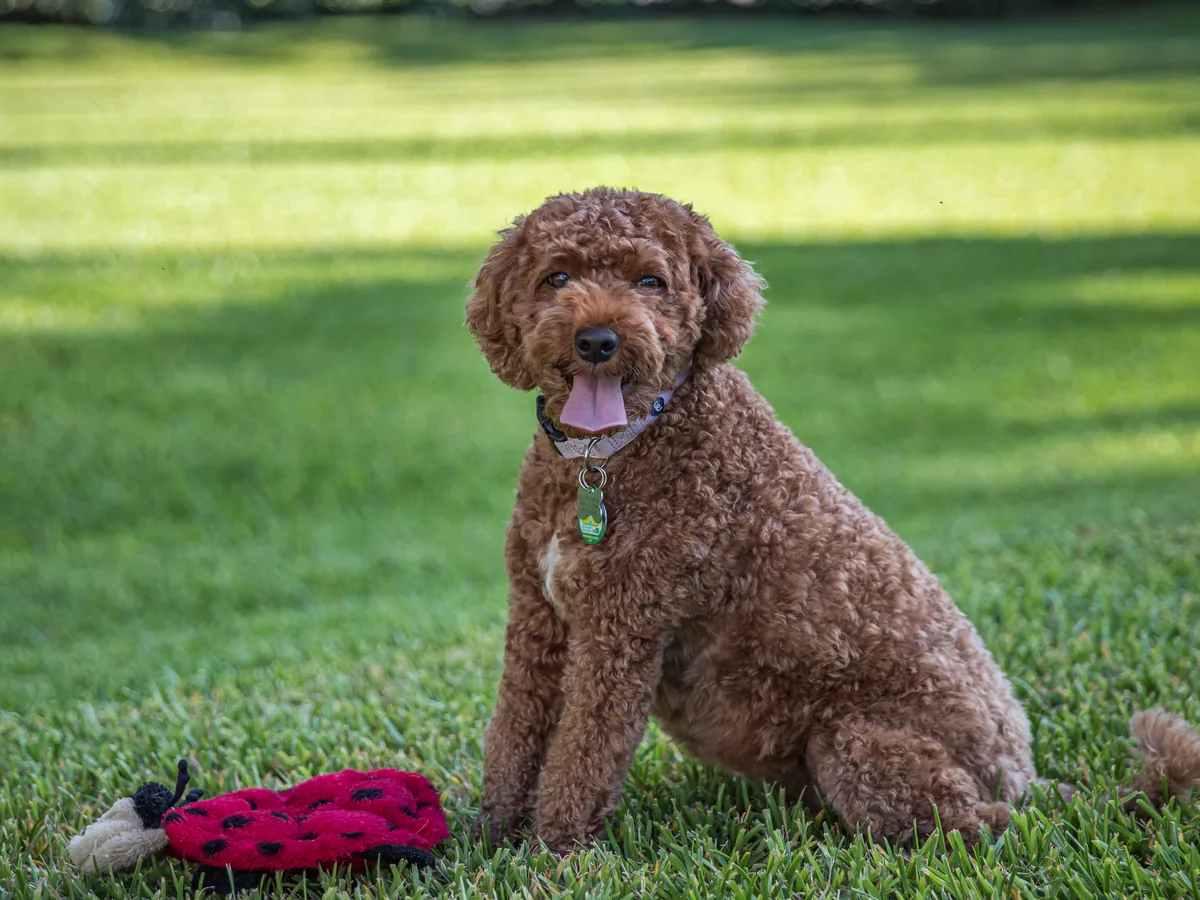
How big will my Toy Cavoodle get?
The parents are your best predictor. Before you commit to a puppy, ask the breeder:
- What do the mother and father weigh as adults, and how tall are they at the shoulder?
- Which generation is the litter (F1, F1B or later), and is the Poodle parent a Toy or a Miniature?
- How big did adult dogs from earlier litters of the same parents grow?
Already have a puppy? Our puppy growth calculator estimates adult weight from your puppy's age and current weight, using growth data from more than 368,000 dogs.
Be wary of any promise of an exact adult weight. Crossbred litters can vary, so a breeder's estimate is a guide, not a guarantee. If size really matters to you, for example because of apartment rules, consider an adult Cavoodle whose size is already known. Our apartment guide covers what else to weigh up.
Is a "teacup" Cavoodle real?
No. "Teacup" isn't a recognised size for any breed, and it's a red flag rather than a selling point. In 2016 the RSPCA in the UK warned buyers that the way teacup dogs are bred to be small "increases their risk of health problems, such as brittle bones and breathing problems".
If you want a small Cavoodle, look for a Toy bred from healthy, health-tested parents of a normal size for their breeds. Don't chase the smallest puppy available.
How long do Toy Cavoodles live?
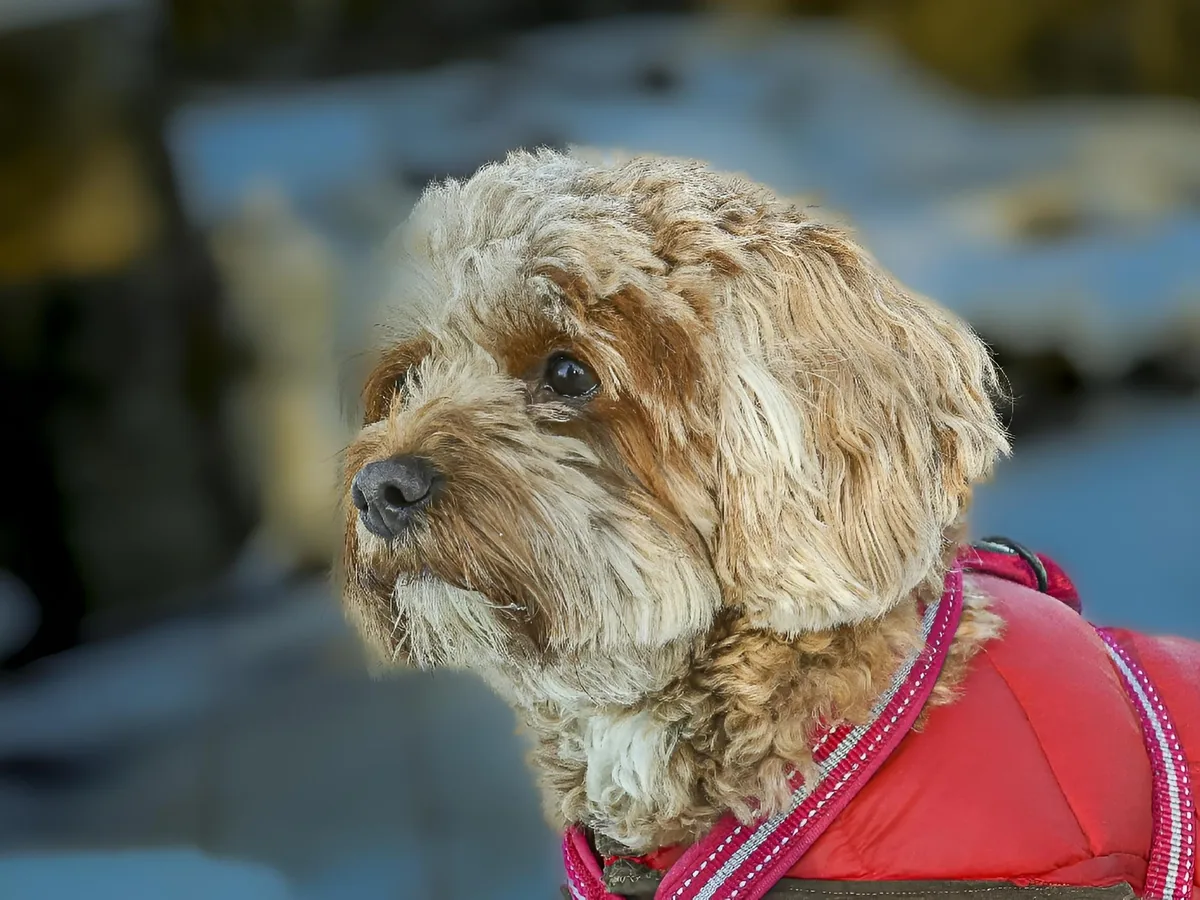
Greencross Vets puts the average Cavoodle lifespan at 10 to 14 years. There's no separate published figure for Toy Cavoodles. Individual health, weight, dental care and the parents' health history all matter more than the size label.
Greencross lists conditions Cavoodles can inherit from their parent breeds, including mitral valve disease (a heart condition), syringomyelia, eye diseases such as progressive retinal atrophy, luxating kneecaps, hip dysplasia, epilepsy and dental problems. That's why health testing the parents matters so much.
Ask any breeder: what health screening have both parents had, including heart checks for the Cavalier and DNA and eye tests? Can you see the results? The RSPCA says a responsible breeder provides "the results of relevant screening tests" for the puppy's parents.
Do Toy Cavoodles shed?
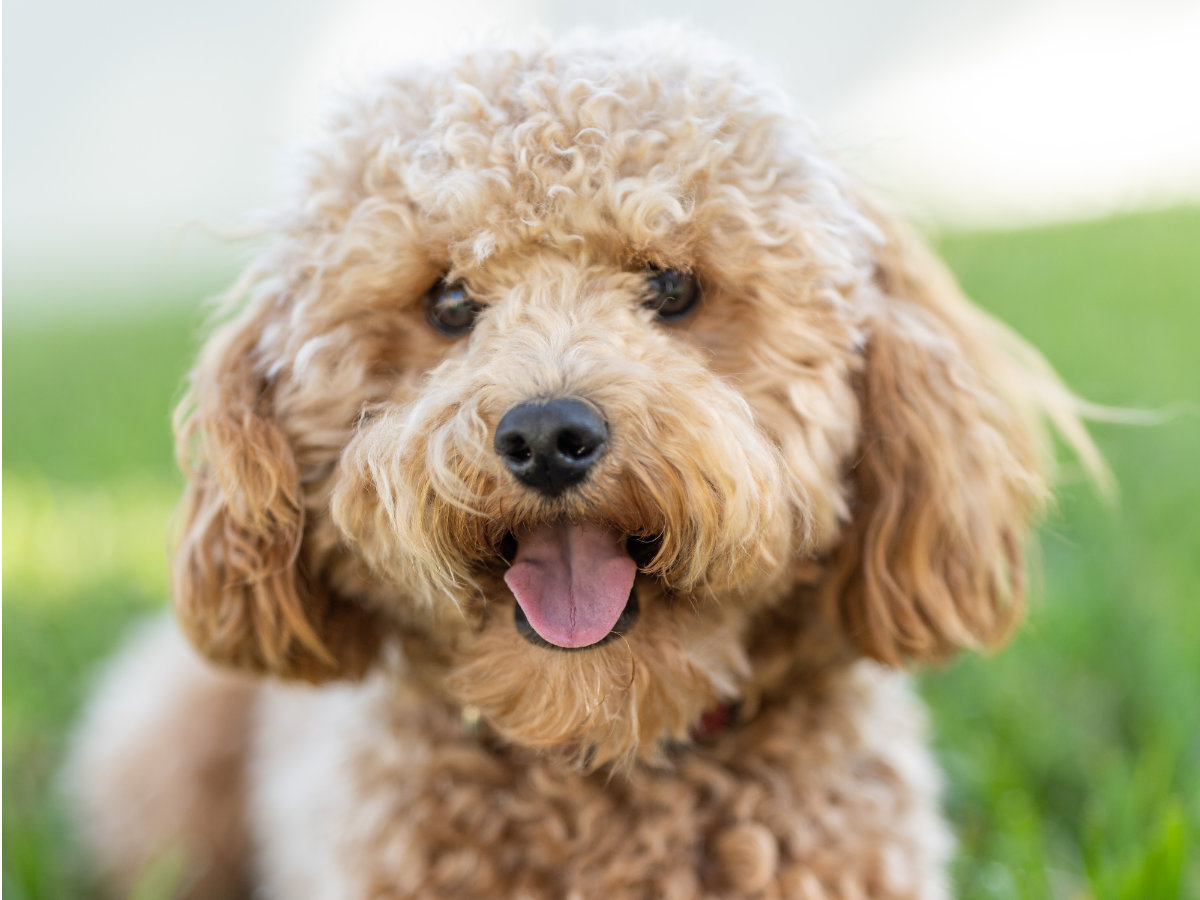
Most shed lightly. Greencross notes that thanks to their Poodle heritage Cavoodles "do not shed a lot", but describes their grooming as high maintenance: brushing every week and a professional groom about every six weeks. Coats vary from wavy to curly, especially in early generations.
Low shedding isn't the same as allergy-free. If anyone in your home has allergies, read what "hypoallergenic" really means and spend time with the dog before you decide.
Toy Cavoodle temperament
Cavoodles are usually bred as affectionate companions. The Cavalier standard describes a "gay, friendly, non-aggressive" dog, and the Poodle side brings intelligence and a liking for training. Our Poodle guide explains what that parent adds.
Temperament still varies between individual dogs, so meet the parents. A Toy Cavoodle needs daily walks, play and training, and company. Small size doesn't mean less need for attention.
With young children, a small dog's size is a safety issue for the dog. Supervise play, teach gentle handling and give the dog a quiet place to retreat. The RSPCA's advice on pets and kids is a good starting point.
Buying a Toy Cavoodle responsibly
Wherever you buy, the RSPCA's advice is to:
- visit the place where the puppy was born, and meet the mother (and father if possible)
- check the breeder is licensed or registered where your state requires it
- ask for the parents' medical history and health screening results
- choose a breeder who asks you questions and will take the dog back if an inherited problem appears
The RSPCA also encourages looking at rescue and adoption first. Adult Cavoodles do come up for adoption, and you'll know exactly how big they are.
Budget for more than the purchase price: grooming every few weeks, food, vet care, insurance and training add up over 10 to 14 years. Our dog cost guide breaks it down.
Is a Toy Cavoodle right for you?
A Toy Cavoodle may suit you if you want a small, affectionate companion, you're home a fair bit, and you're happy to keep up with regular grooming. Think carefully if you're out long hours, have very young children who can't yet handle a small dog gently, or want a dog that needs little coat care.
Still deciding between a Cavoodle and something else? Compare it with the Spoodle or the Moodle, see why a Cavapoo is the same dog, or browse other small dog breeds in Australia. Our free dog breed quiz compares your home and routine with more than 200 breeds, including the Cavoodle.
Toy Cavoodle FAQs
What is a Toy Cavoodle?
A cross between a Cavalier King Charles Spaniel and a Toy Poodle, the smallest Poodle variety at under 28 cm tall. "Toy" is a breeder label describing the Poodle parent, not an official size.
How big does a Toy Cavoodle get when full grown?
Usually toward the smaller end of the Cavoodle range, which Greencross Vets gives as about 5–12 kg and 28–35 cm overall. The parents' adult sizes are the best guide for any particular puppy.
What's the difference between a Toy and a Mini Cavoodle?
A Toy has a Toy Poodle parent (under 28 cm) and a Mini has a Miniature Poodle parent (28–38 cm), so Minis are usually larger. Breeders use the labels inconsistently, so ask for the parents' measurements.
Are teacup Cavoodles real?
"Teacup" isn't a recognised size. Dogs bred to be extremely small can have higher risks of problems such as fragile bones and breathing difficulties, so treat the term as a warning sign.
How long do Toy Cavoodles live?
Greencross Vets gives Cavoodles an average lifespan of 10 to 14 years. Health-tested parents, a healthy weight and good dental care all help.
Do Toy Cavoodles shed?
Usually only lightly, but they need weekly brushing and regular professional grooming. No dog is completely allergy-free.
Sources and further reading
- Dogs Australia: Poodle (Toy) breed standard
- Dogs Australia: Poodle (Miniature) breed standard
- Dogs Australia: Cavalier King Charles Spaniel breed standard
- Greencross Vets: Cavoodle owner's guide
- RSPCA Knowledgebase: How do I find a responsible dog or cat breeder?
- Refinery29 (2016): RSPCA warning on teacup puppies
- RSPCA Australia: Pets and kids