
What Are Designer Dog Generations?
When you see terms like "F1 Goldendoodle" or "F1B Labradoodle," you're looking at the generation of that designer dog. The generation tells you how the dog was bred and what mix of parent breeds to expect.
Understanding generations is crucial because it affects:
- Coat type — How likely is a curly, low-shedding coat?
- Temperament predictability — How consistent are personality traits?
- Size variation — How much can puppies vary in size?
- Hybrid vigour — The health benefits of genetic diversity
The Generation Breakdown
F1 — First Generation
Formula: Purebred A × Purebred B = F1
The original cross — a purebred parent from each breed. For example, a purebred Golden Retriever crossed with a purebred Poodle creates an F1 Goldendoodle. Genetic split: 50% of each parent breed.
- ✓ Maximum hybrid vigour
- ✓ Healthiest cross
- ✗ Most unpredictable traits
- ✗ Coat type varies widely
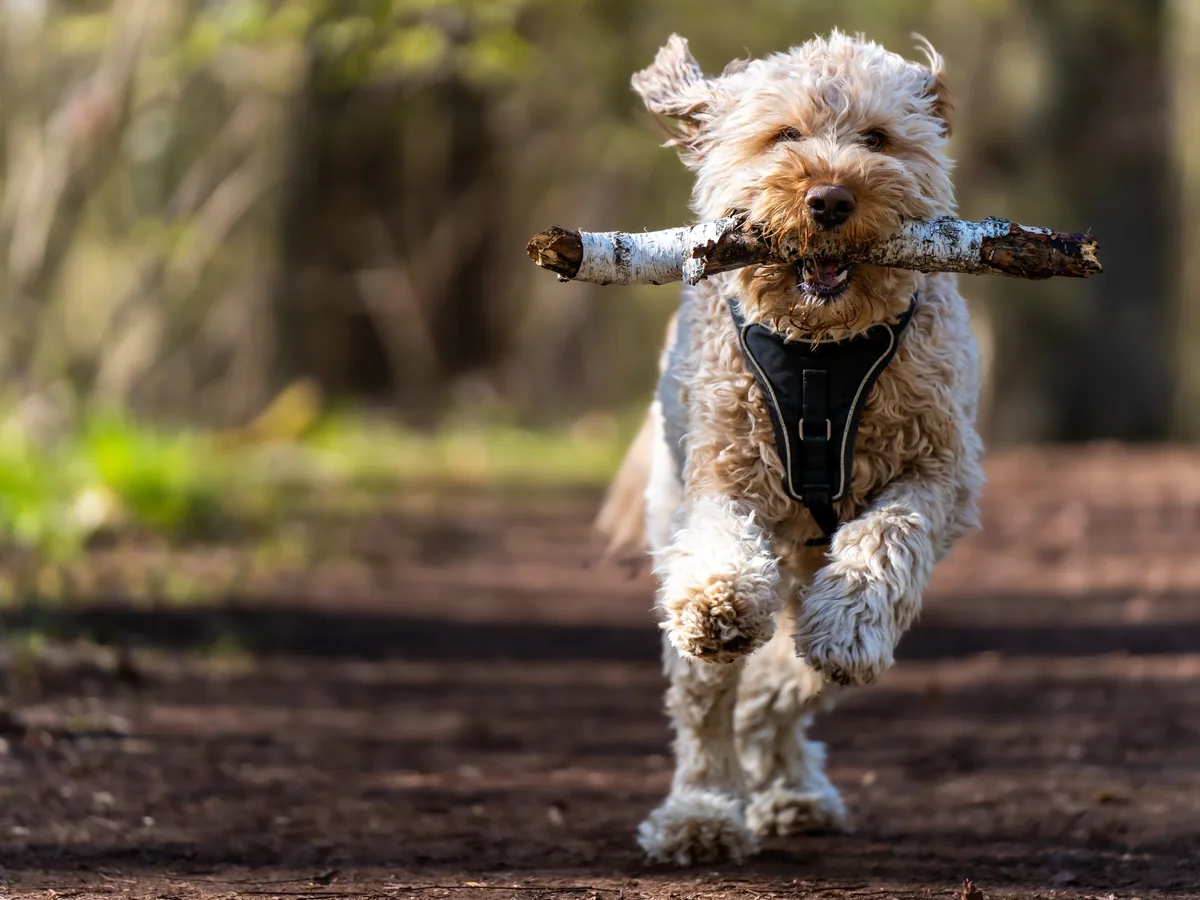
F1B — First Generation Backcross
Formula: F1 × Purebred = F1B
An F1 crossed back to one of the original purebred parents — usually the Poodle, to increase the chance of a low-shedding coat. Genetic split: 75% of one parent, 25% of the other.
- ✓ More predictable coat
- ✓ Better for allergies (usually)
- ✓ Still good hybrid vigour
- ✗ Less genetic diversity
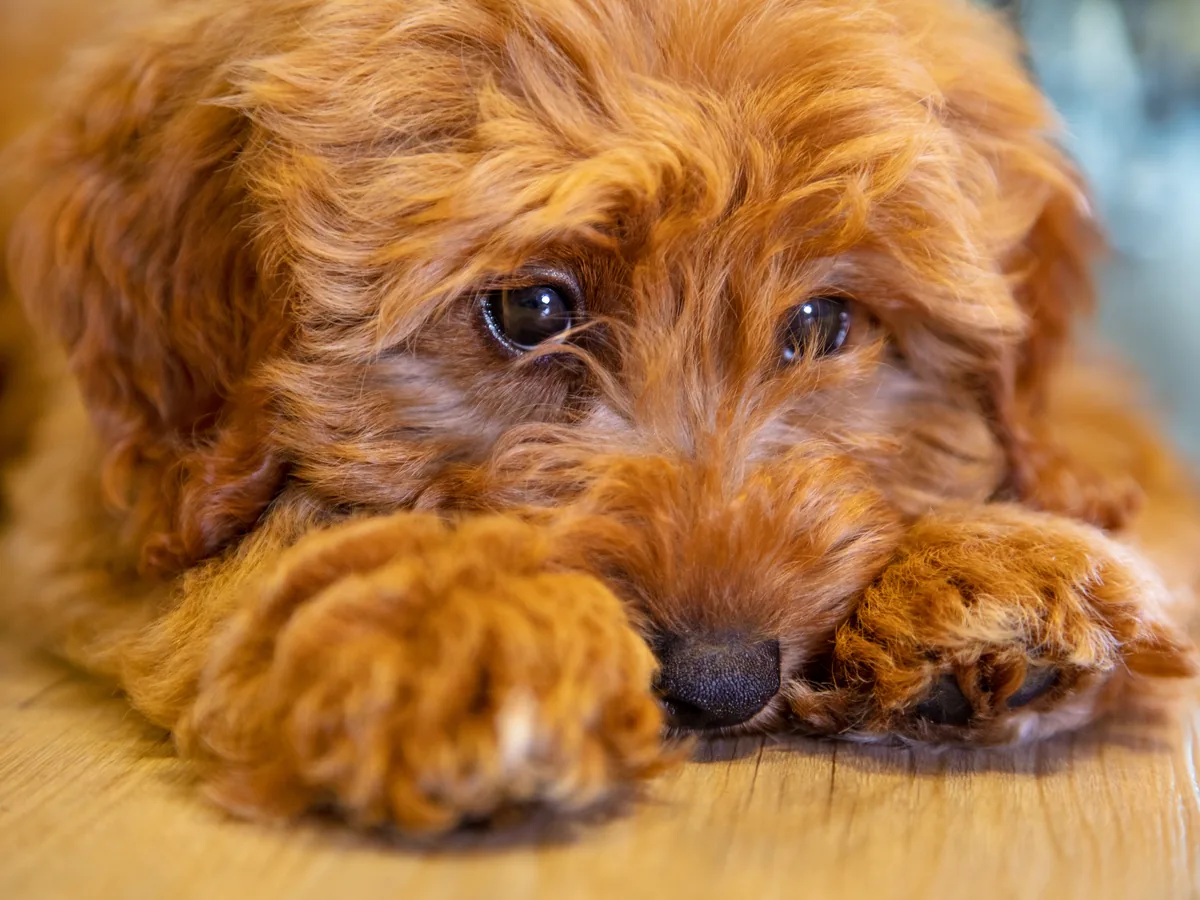
F2 — Second Generation
Formula: F1 × F1 = F2
Two F1 parents crossed together. The puppies are still 50/50 on paper, but traits can swing wildly — some pups may look more like one parent breed, others more like the other. Genetic split: 50% average, but highly variable.
- ✓ Still benefits from hybrid vigour
- ✗ Most variation in the litter
- ✗ Coat type very unpredictable
- ✗ Size can vary significantly
F2B — Second Generation Backcross
Formula: F2 × Purebred = F2B
An F2 crossed back to a purebred parent. Similar to F1B but starting from second generation stock. Genetic split: approximately 62.5% / 37.5%.
- ✓ More coat predictability
- ✗ Reduced hybrid vigour
Multi-Generation
Formula: F3+ or Multi-gen × Multi-gen
Several generations of selective breeding. Breeders work toward consistent traits — creating something closer to a breed standard for the designer dog. Genetic split varies, but more consistent.
- ✓ Most predictable traits
- ✓ Consistent coat type and temperament
- ✗ Reduced hybrid vigour
- ✗ Higher price typically
Which Generation Is Right for You?
- Choose F1 if you want maximum health benefits from hybrid vigour and you're comfortable with some unpredictability in coat and traits.
- Choose F1B if you have allergies or want a higher chance of a low-shedding, curly coat. This is the most popular choice for doodle breeds.
- Choose F2 if you're open to variety and excited to see what unique combination you might get. Best for experienced dog owners.
- Choose Multi-gen if you want the most predictable outcome — consistent coat, size, and temperament.
Common Questions
Does generation affect price?
Often yes. F1B and multi-generation dogs typically cost more because they're bred for more predictable, desirable traits — especially low-shedding coats.
Is F1 or F1B healthier?
F1 dogs have the most genetic diversity (hybrid vigour), which can mean fewer inherited health issues. However, responsible breeding practices matter more than generation — always ask for health testing documentation.
Can I tell what coat a puppy will have?
Partially. Puppies with curlier coats at 6–8 weeks tend to stay curly. But with F1 and F2 generations, there's always some surprise. F1B puppies are more predictable.
What about F3, F4, and beyond?
These are simply later generations. The further you go, the more consistent the traits — but also the less genetic diversity. Most breeders group F3+ as "multi-generation."