
Introduction
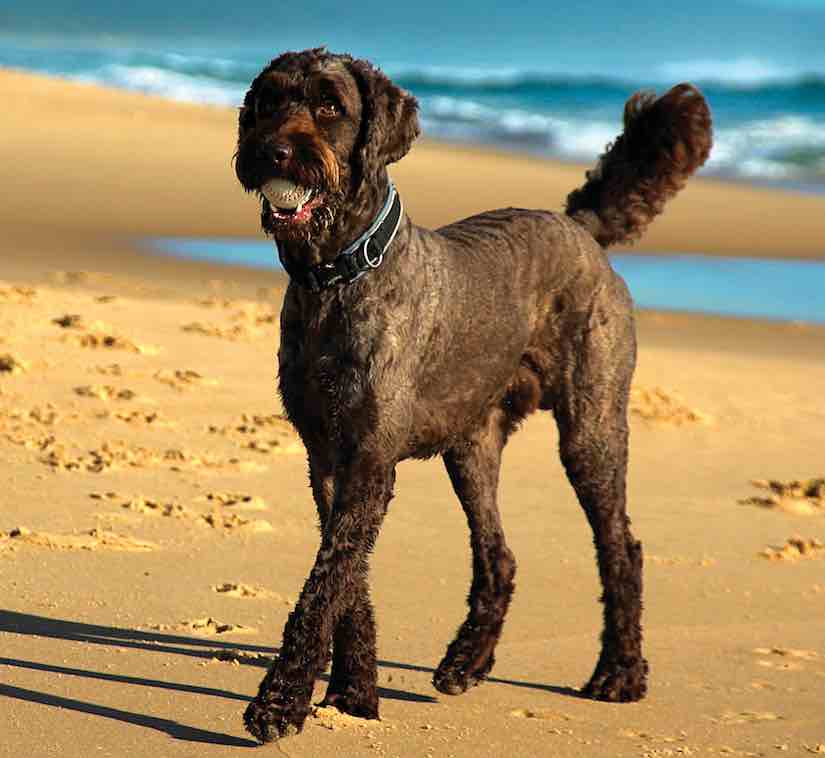
Designer dogs are the love children of two purebred parents, bred intentionally to combine their best traits. Think Labradoodle (Labrador × Poodle) or Cavapoo (Cavalier King Charles Spaniel × Poodle). These aren't random mutts — they're deliberate hybrids, often created for appearance, temperament, or allergy-friendly coats.
Why They Exist
The modern designer dog movement took off in the 1980s with the Labradoodle, a guide dog that wouldn't set off allergies. From there, breeders started experimenting, blending breeds to fine-tune temperament, intelligence, and looks. Today, there are hundreds of named hybrids, from the popular Goldendoodle to the exotic Pomsky.
What Makes Them Different
Unlike purebreds, which are bred to meet strict standards, designer dogs don't have a universal set of rules. A Cavapoo from one breeder might look completely different from another, depending on which parent's genes dominate. This unpredictability is part of the charm — and sometimes, part of the problem.
Health and Longevity
One of the big selling points of designer dogs is "hybrid vigour" — the idea that mixing breeds reduces inherited diseases. While there's some truth in that, it's not a magic shield. A healthy pup still depends on responsible breeding and good care, not clever marketing.
Are They Worth the Hype?
Designer dogs can be brilliant family pets, but they're not necessarily "better" than purebreds or rescues. What matters most is the dog's temperament, your lifestyle, and the breeder's ethics. Whether it's a Poodle cross or a pound pup, love and training do most of the heavy lifting.
🎯 Takeaway
Designer dogs are the modern mashups of the canine world — smart, cute, and often pricey. Just remember: behind the cute names and Instagram feeds, they're still dogs that need structure, exercise, and love.