
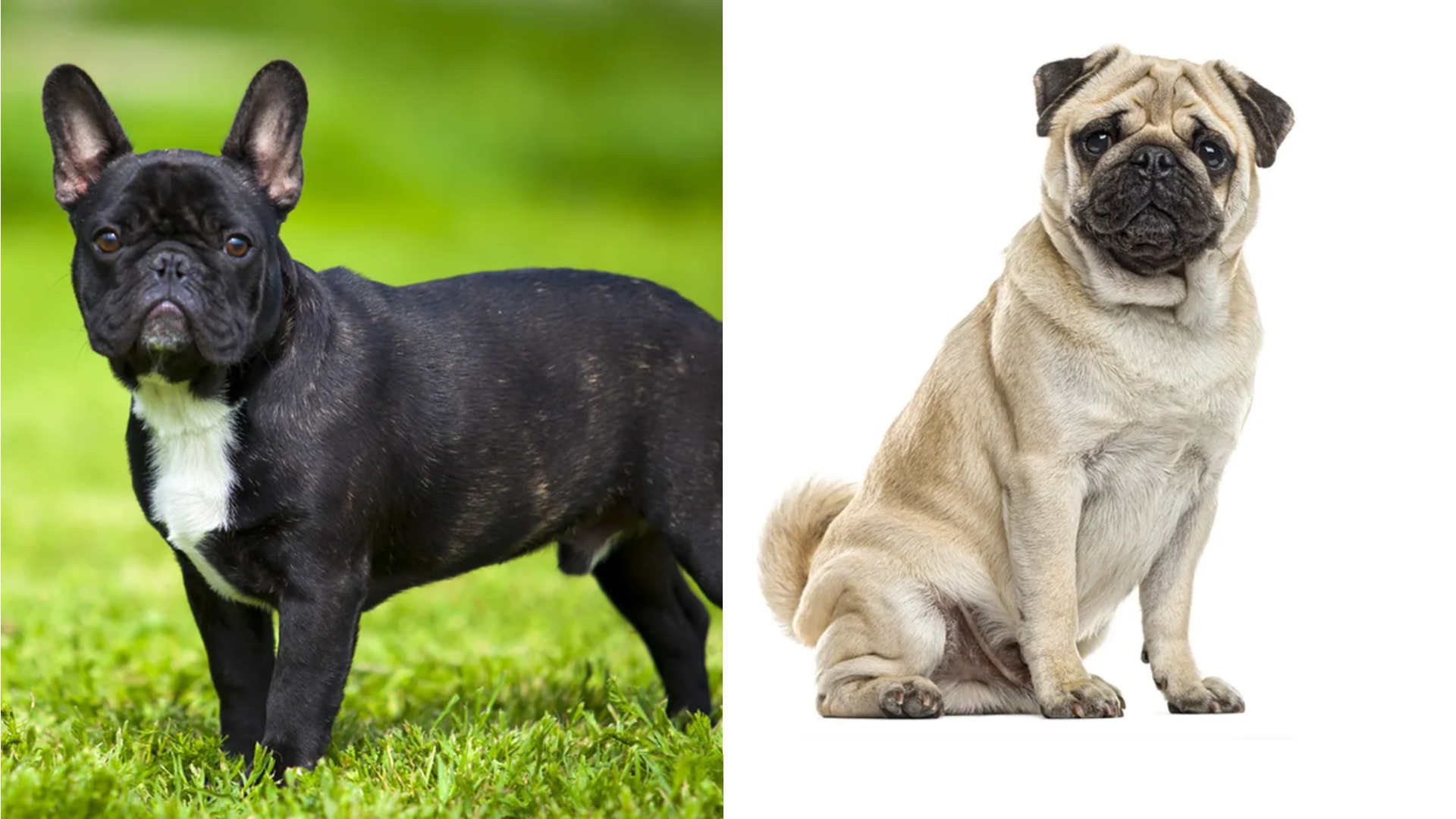
If you've been eyeing flat-faced breeds and found yourself torn between a French Bulldog and a Pug, you're in good company. Both are compact, characterful dogs with devoted followings. Both have faces that stop strangers in their tracks. And both are brachycephalic breeds — meaning the flat face comes with some shared health considerations you need to understand before you commit.
But they're not the same dog. The differences between them are meaningful, especially if you're trying to match a breed to your actual lifestyle rather than just your Instagram feed.
The French Bulldog
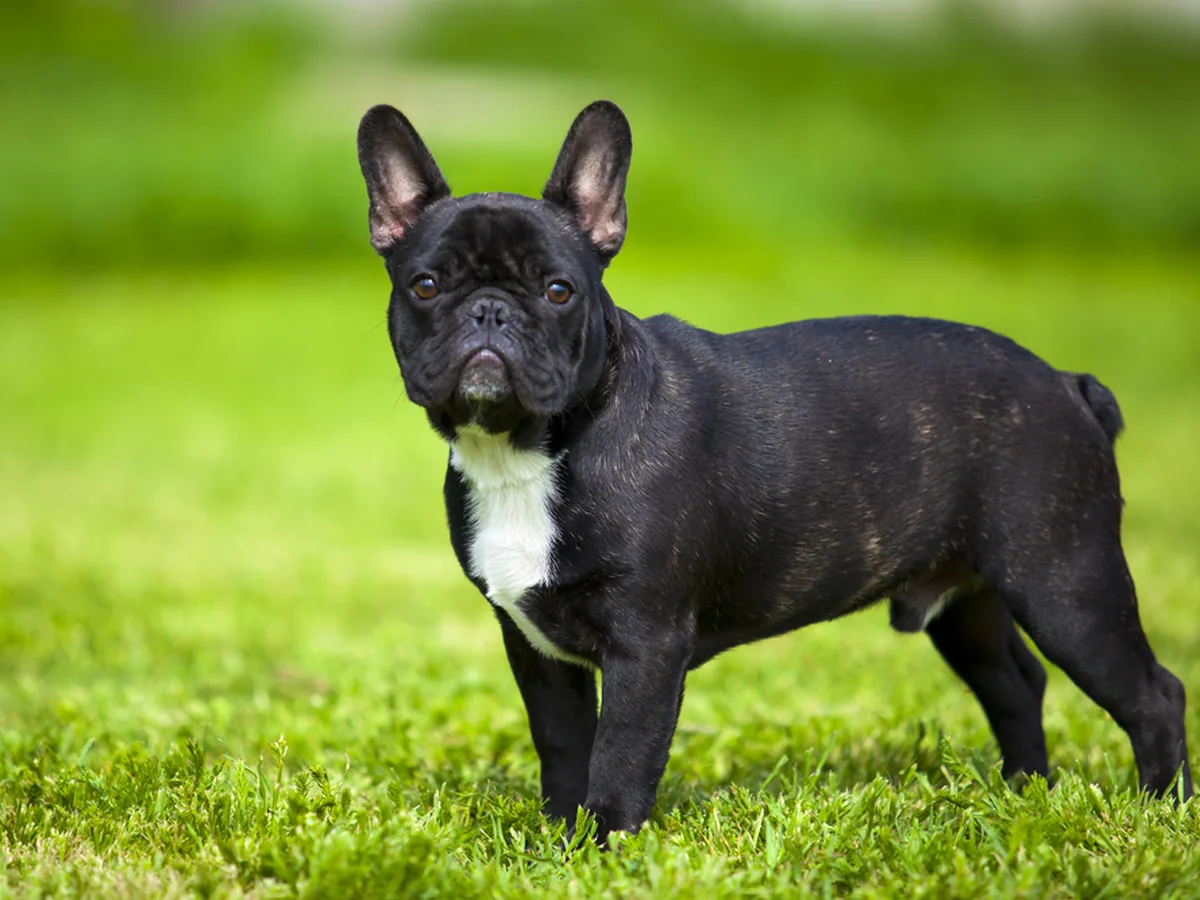
The French Bulldog is currently the most registered dog breed in the world, and it's earned that position. They're compact enough for apartment living, calm enough for busy households, and affectionate without being needy. A Frenchie will follow you from room to room, sleep wherever you sleep, and quietly insert themselves into whatever you're doing — without making a scene about it.
They tend to be confident rather than anxious, social without being hyperactive, and surprisingly adaptable to different living situations. They're good with children and generally get along well with other dogs. Training takes patience — Frenchies are not eager-to-please working dogs — but they respond well to food motivation and short, consistent sessions.
| Trait | French Bulldog |
|---|---|
| Weight | 8–14 kg |
| Height | 28–31 cm |
| Lifespan | 10–12 years |
| Energy level | Low–moderate |
| Shedding | Low (single short coat) |
| Grooming | Low — clean facial wrinkles weekly |
| Training ease | Moderate — stubborn but food-motivated |
| Good with kids | Yes |
| AU purchase price | $4,000–$7,000+ |
The Pug
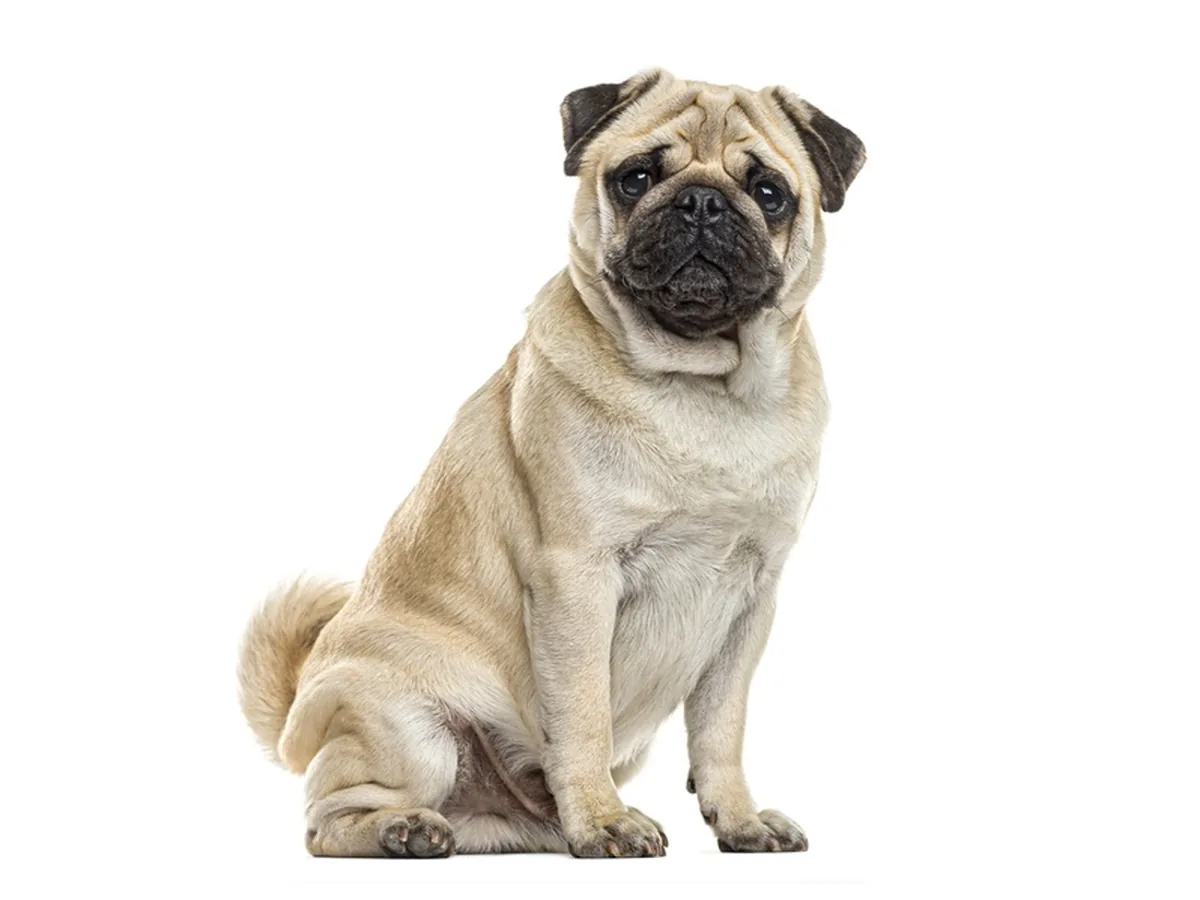
The Pug is one of the oldest companion breeds in recorded history, originally bred for Chinese emperors before becoming a favourite of European royalty. Today's Pug hasn't changed much in attitude — they're still convinced they're the most important creature in any room, and most people find it difficult to argue.
Pugs are sociable, comedic, and deeply people-focused. They don't do well when left alone for long periods and thrive in households where someone is usually home. They're extremely good with children — patient, sturdy, and happy to be handled by toddlers. They're also friendly with other dogs, generally without any territorial behaviour.
Training is a challenge. Pugs are smart enough to understand what you want, and clever enough to decide whether it's worth their while. Food helps enormously, but short sessions and genuine patience are non-negotiable. Don't expect a Pug to be particularly biddable — they're companion dogs, not obedience champions.
| Trait | Pug |
|---|---|
| Weight | 6–8 kg |
| Height | 25–30 cm |
| Lifespan | 12–15 years |
| Energy level | Low |
| Shedding | High (double coat — sheds constantly) |
| Grooming | Moderate — clean wrinkles and ears regularly |
| Training ease | Low — food-motivated but easily distracted |
| Good with kids | Excellent |
| AU purchase price | $2,000–$4,500 |
French Bulldog vs Pug: The Key Differences
On the surface these breeds look similar — small, flat-faced, low-exercise, people-focused. But the details matter.
| Factor | French Bulldog | Pug |
|---|---|---|
| Size | 8–14 kg, stocky build | 6–8 kg, rounder frame |
| Shedding | Low — single short coat | High — double coat, sheds year-round |
| Price (AU) | $4,000–$7,000+ | $2,000–$4,500 |
| Exercise needs | Low–moderate (20–30 min/day) | Low (15–20 min/day) |
| Lifespan | 10–12 years | 12–15 years |
| Training | Moderate — stubborn but willing | Low — intelligent but unmotivated |
| Vocalisation | Moderate — snorts, occasional barking | Higher — snorts, grunts, more barking |
| Coat colours | Many (fawn, brindle, white, blue, cream) | Fawn or black |
Shared Health Considerations
Both breeds are brachycephalic — they have shortened skulls and flat faces, which can affect breathing, temperature regulation, and exercise tolerance. This isn't a reason to avoid either breed, but it is something every owner needs to understand going in.
- Heat sensitivity — neither breed tolerates heat well. In the Australian summer this is a serious consideration. Short walks in the cool of morning or evening, air conditioning, and constant access to water are not optional extras — they're necessities.
- Breathing — both breeds can have narrowed airways. Some dogs are minimally affected; others require surgery. Ask any breeder about the breathing history of both parents.
- Eye issues — both have prominent eyes that are prone to ulcers and irritation.
- Skin folds — facial wrinkles need regular cleaning on both breeds to prevent infection.
French Bulldogs also frequently require caesarean sections to give birth — a factor that contributes to higher purchase prices and higher overall vet costs across the breed's lifetime. For a deeper look at what brachycephalic ownership actually involves day-to-day, see our guide to brachycephalic dog breeds. If the Boston Terrier is also on your shortlist, see our French Bulldog vs Boston Terrier comparison for how it stacks up.
Which One Is Right for You?
Choose a French Bulldog if…
- You want significantly less shedding — Frenchies shed far less than Pugs
- You can accommodate the higher upfront cost and potential for higher vet bills
- You want a dog with a slightly wider temperament range and more adaptability
- You're drawn to the variety of coat colours available in the breed
Choose a Pug if…
- You're a first-time owner — Pugs are often described as more forgiving of inconsistent training
- The upfront purchase price matters — Pugs are meaningfully less expensive
- You have young children — Pugs are exceptionally patient and gentle
- You want a potentially longer lifespan (Pugs average 12–15 years vs 10–12 for Frenchies)
- You genuinely don't mind dog hair, because there will be dog hair on everything
Whichever you choose, go in with realistic expectations about health costs, heat management, and the sheer amount of personality packed into a very small dog. Both breeds deliver more character per kilogram than almost anything else.
Frequently Asked Questions
Are French Bulldogs or Pugs better for apartments?
Both are excellent apartment dogs. Neither needs a yard, both have low exercise requirements, and both adapt well to small spaces. French Bulldogs tend to bark slightly less, which matters in apartment buildings with thin walls.
Do French Bulldogs shed more than Pugs?
No — Pugs shed significantly more. Pugs have a double coat that sheds year-round. French Bulldogs have a single short coat with noticeably less shedding. If dog hair on your clothes and furniture is a dealbreaker, the Frenchie wins this comparison clearly.
Which is more expensive, a French Bulldog or a Pug?
French Bulldogs are considerably more expensive to purchase — typically $4,000–$7,000+ in Australia compared to $2,000–$4,500 for a Pug. French Bulldogs also tend to have higher ongoing vet costs due to more complex breeding requirements and a higher incidence of airway surgeries.
Are French Bulldogs healthier than Pugs?
Neither breed has a clean health record — both are brachycephalic and share the associated risks. French Bulldogs tend to have more issues related to their breeding history (spinal problems, caesarean sections, airway surgeries), while Pugs are particularly prone to eye problems and skin fold infections. The most important factor is choosing a responsible breeder who health-tests both parents.
Which is better with kids, a French Bulldog or a Pug?
Both are excellent with children. Pugs are arguably slightly more patient — they've been companion dogs for thousands of years and have a very high tolerance for being handled by small humans. French Bulldogs are also good with kids but can be a little more sensitive to rough play. Either breed suits a family home well.