
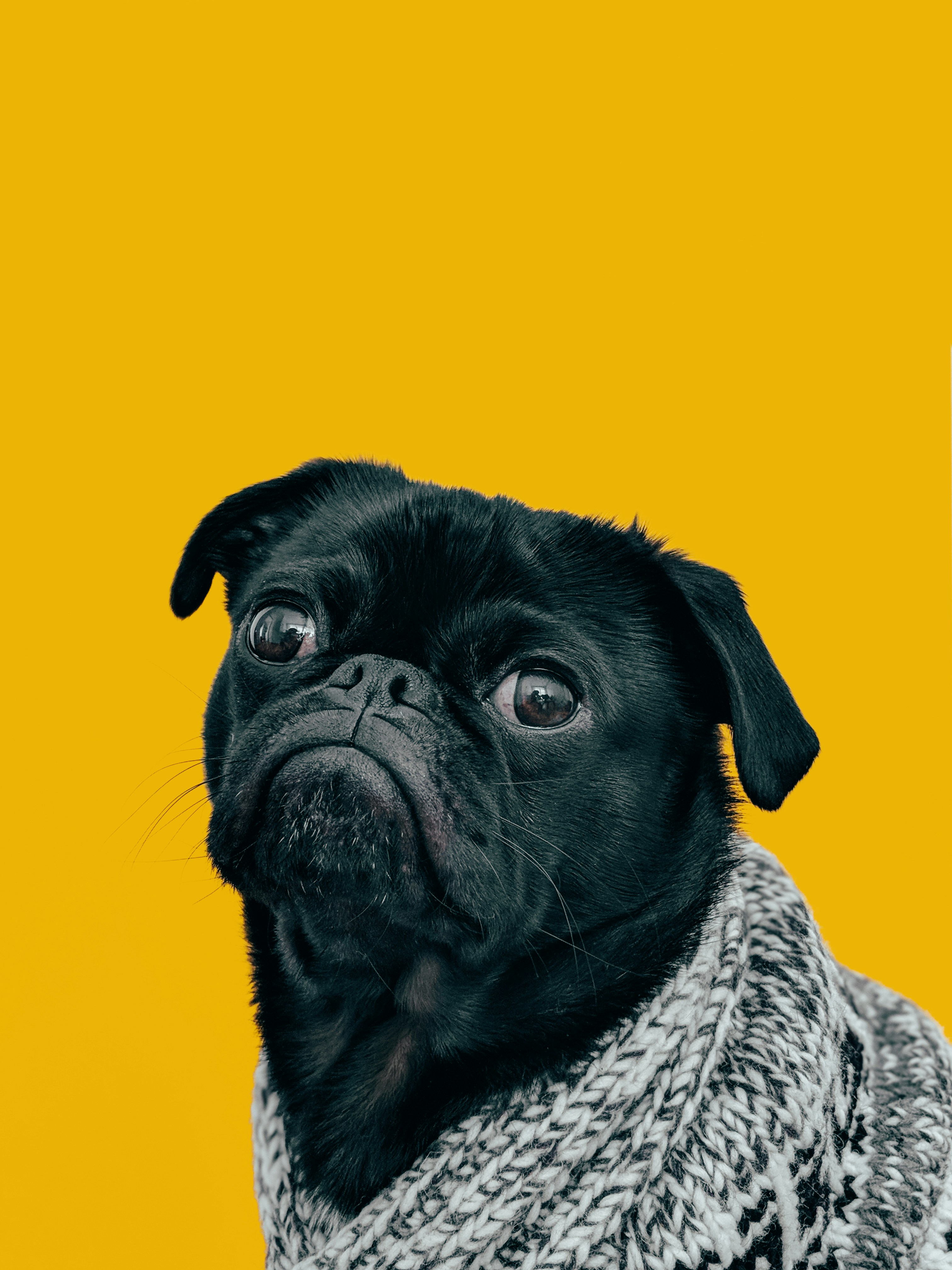
Brachycephalic Dog Breeds: Cute Faces, Real Considerations
Some dogs look like they were designed by a committee of toddlers with excellent taste. Big eyes. Squishy faces. Little snorts. Maximum charm.
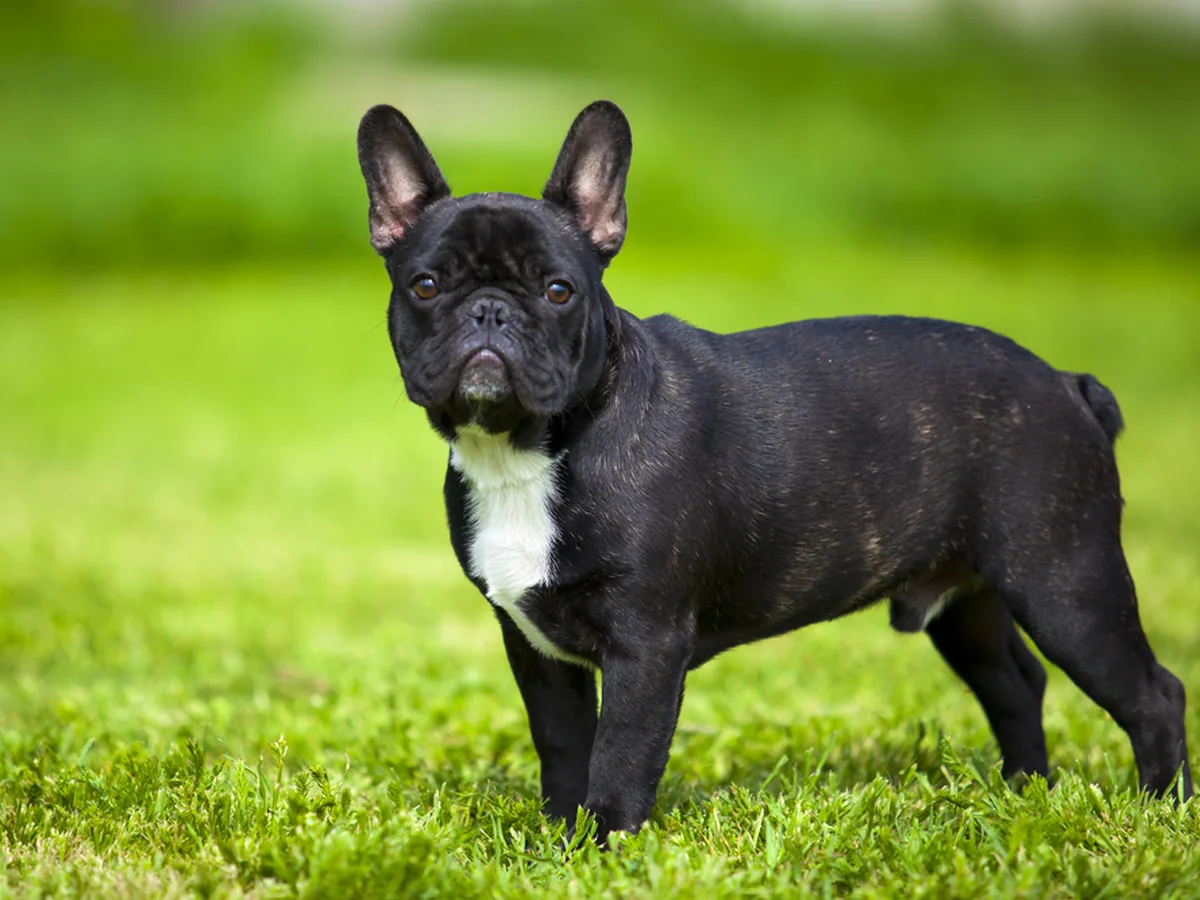
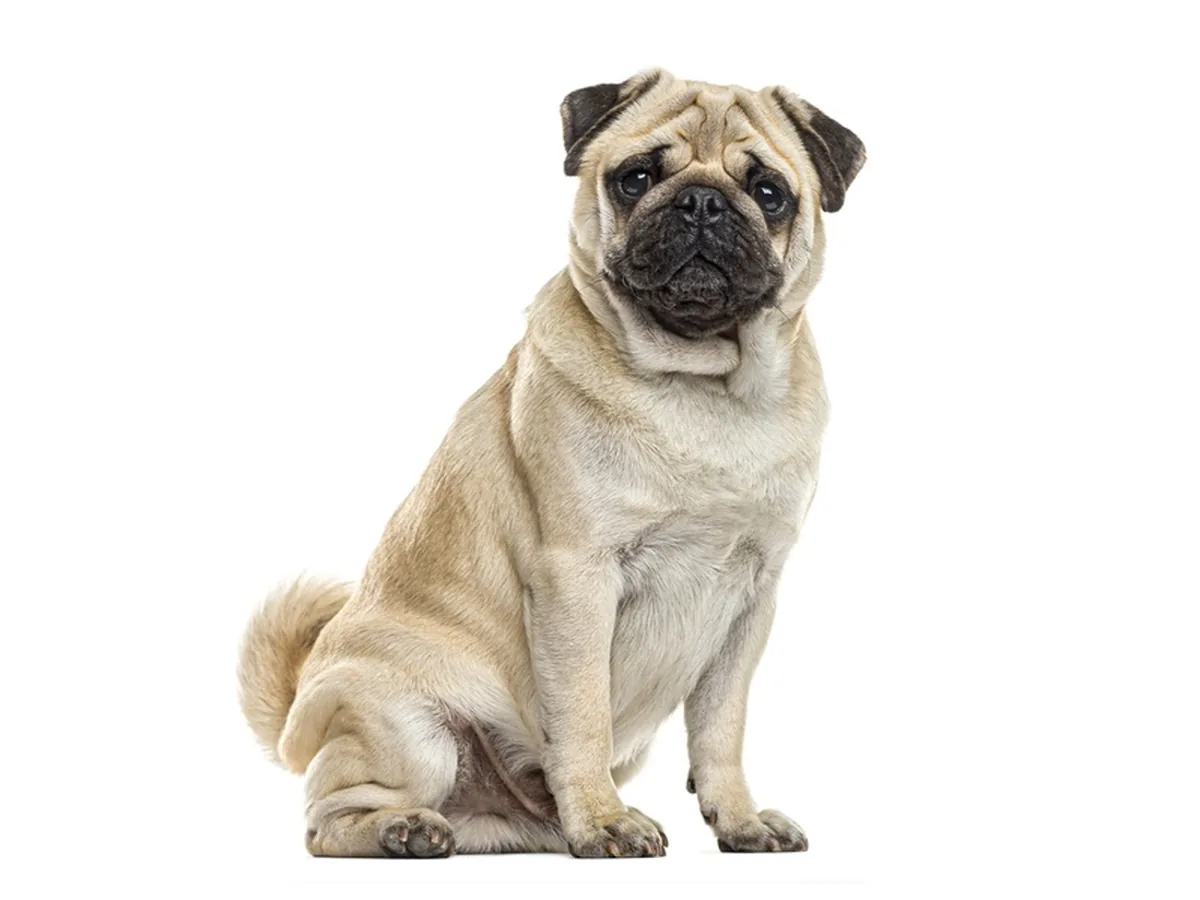
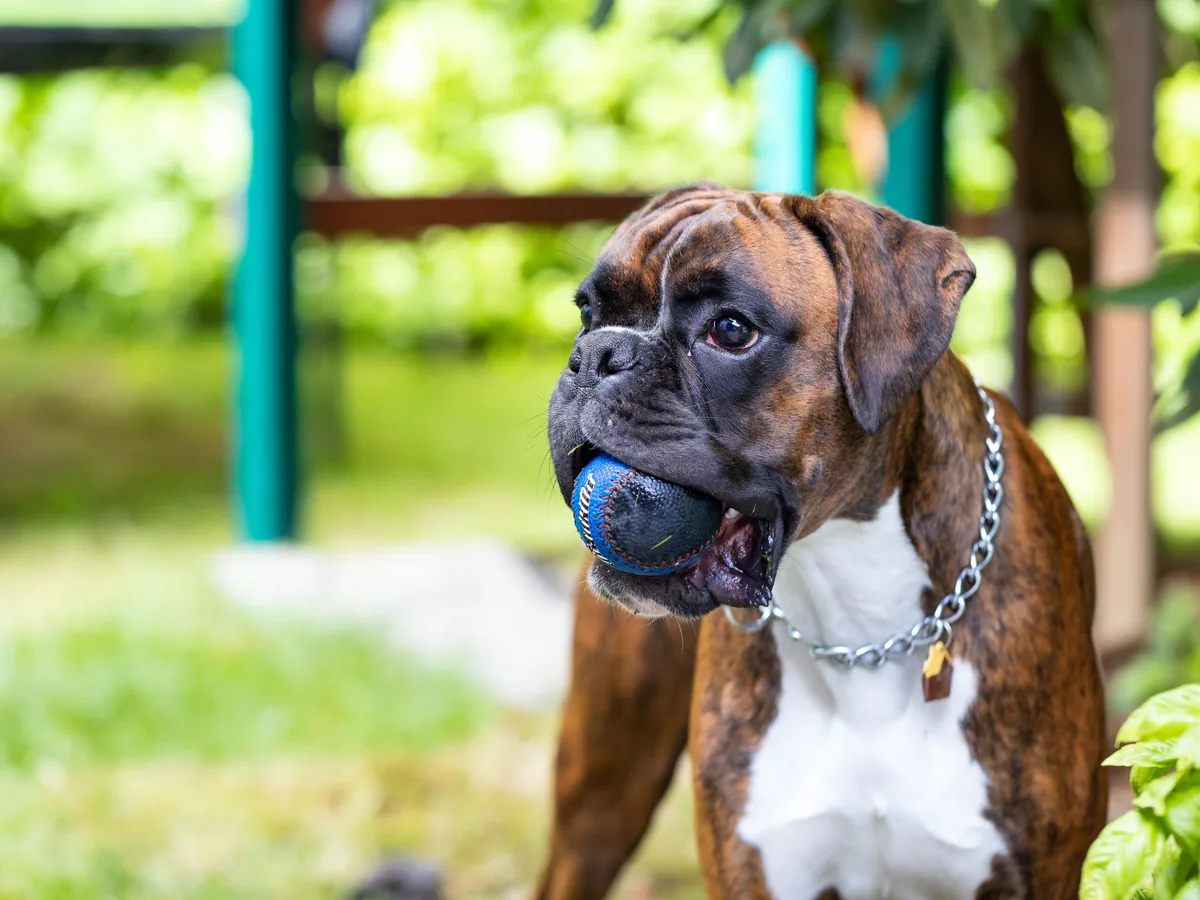
These are often brachycephalic breeds, which simply means they have a shorter skull and flatter face than longer-nosed dogs. Popular examples include the French Bulldog, Pug, British Bulldog, Boston Terrier, Shih Tzu, Pekingese, Boxer and Cavalier King Charles Spaniel.
Why people love them
Brachycephalic dogs are often affectionate, funny, people-focused and well suited to indoor life. Many are happy in apartments, enjoy being close to their humans, and don’t usually need marathon-level exercise. For the right home, they can be wonderful companions.
They also tend to have big personalities. A Frenchie may act like a tiny nightclub bouncer. A Pug may believe every visitor has arrived specifically to admire them. A Bulldog may sleep like a retired heavyweight champion after a long lunch.
The health side matters
The flat face is not just a look. It can affect how the dog breathes, cools down, exercises and sleeps. Some brachycephalic dogs are more affected than others, but the basic issue is structural.
Common concerns can include:
- Breathing difficulty, especially during exercise or excitement
- Heat sensitivity, because short-nosed dogs often struggle to cool themselves efficiently
- Snoring and noisy breathing
- Eye problems, particularly in breeds with prominent eyes
- Skin fold irritation, especially around the face
- Dental crowding, because the teeth are packed into a shorter jaw
Hot weather is the big one
If you live somewhere warm, this really matters. Brachycephalic dogs can overheat faster than longer-nosed breeds. That means no hard exercise in the heat, no long walks in the middle of the day, and absolutely no “she’ll be right” attitude. She may not be right. She may be a Pug in February.
Walk early, walk late, keep water handy, and treat air-conditioning as less of a luxury and more of a public service.
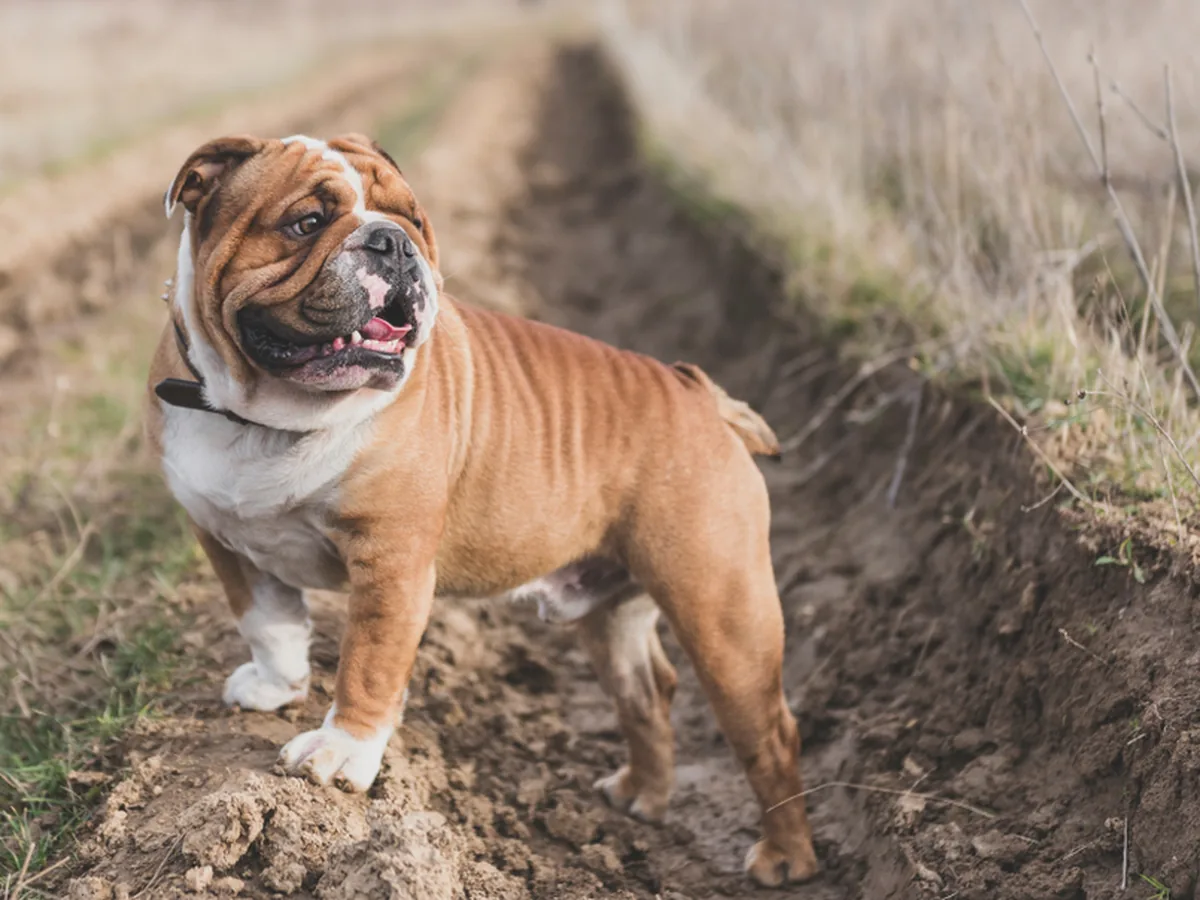
Exercise: short and sensible
Most flat-faced breeds still need regular movement, but the goal is sensible daily activity, not turning them into a CrossFit coach. Short walks, gentle play, training games and sniffing sessions are usually better than long, intense runs.
Watch the dog, not the clock. If they are struggling, slowing down, breathing heavily or looking uncomfortable, stop and cool things down.
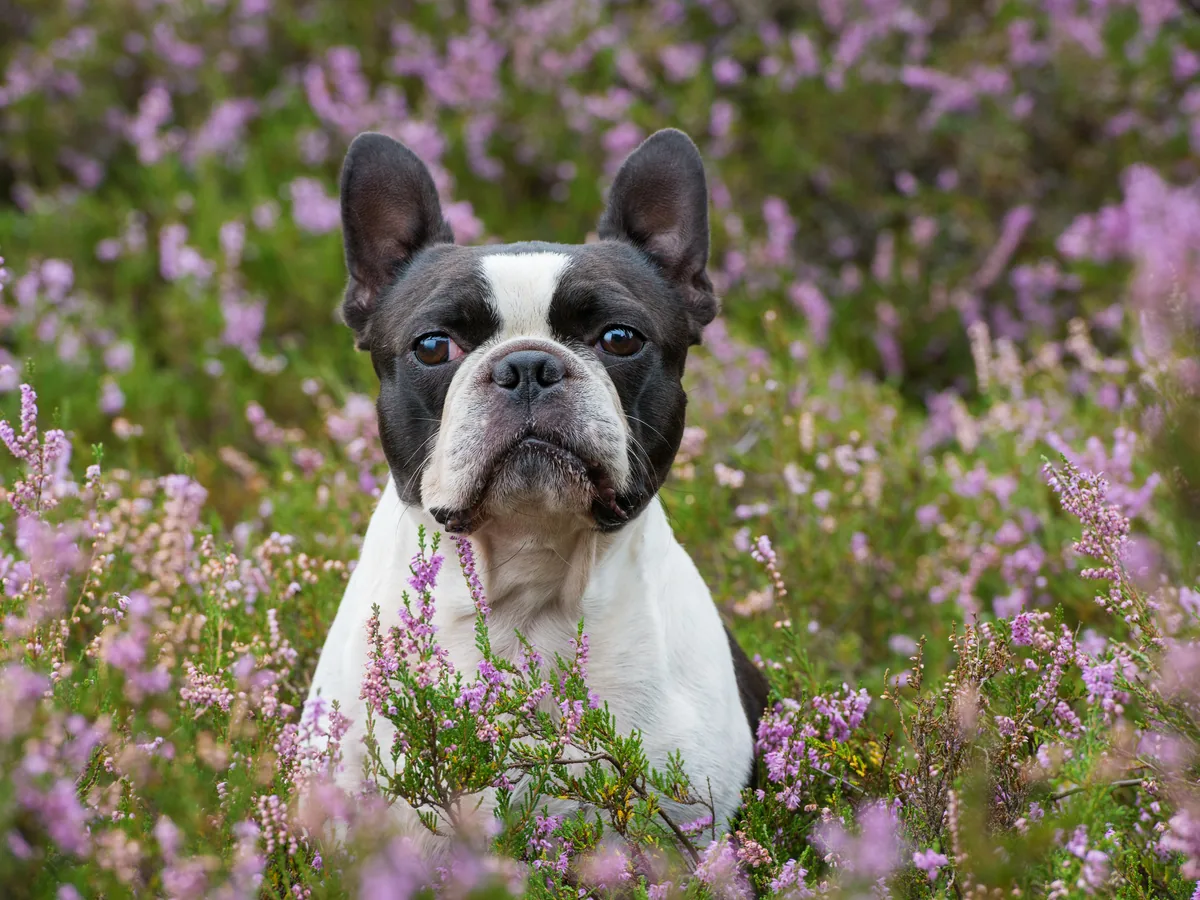
Choosing responsibly
If you are considering a brachycephalic breed, look beyond the cute face. Choose breeders who prioritise health, breathing function and sound structure, not the flattest possible nose. Ask about breathing, previous surgery, eye issues, skin problems and heat tolerance.
Rescue can also be a good option, especially if you are prepared for the possible health costs and care requirements. Either way, go in with your eyes open.
Are brachycephalic breeds right for you?
They can be brilliant dogs for the right owner. They are often loving, funny, adaptable and deeply companionable. But they also need owners who understand their limits and take their health seriously.
The short version: enjoy the snorts, respect the structure, manage the heat, and don’t buy a flat-faced dog just because it looks good on Instagram. That’s how people end up with a vet bill and a dog who breathes like an old lawn mower.
At Right Dog Match, we’re not here to scare you off a breed you love. We’re here to help you understand what life with that breed actually looks like, so you can choose with confidence.