
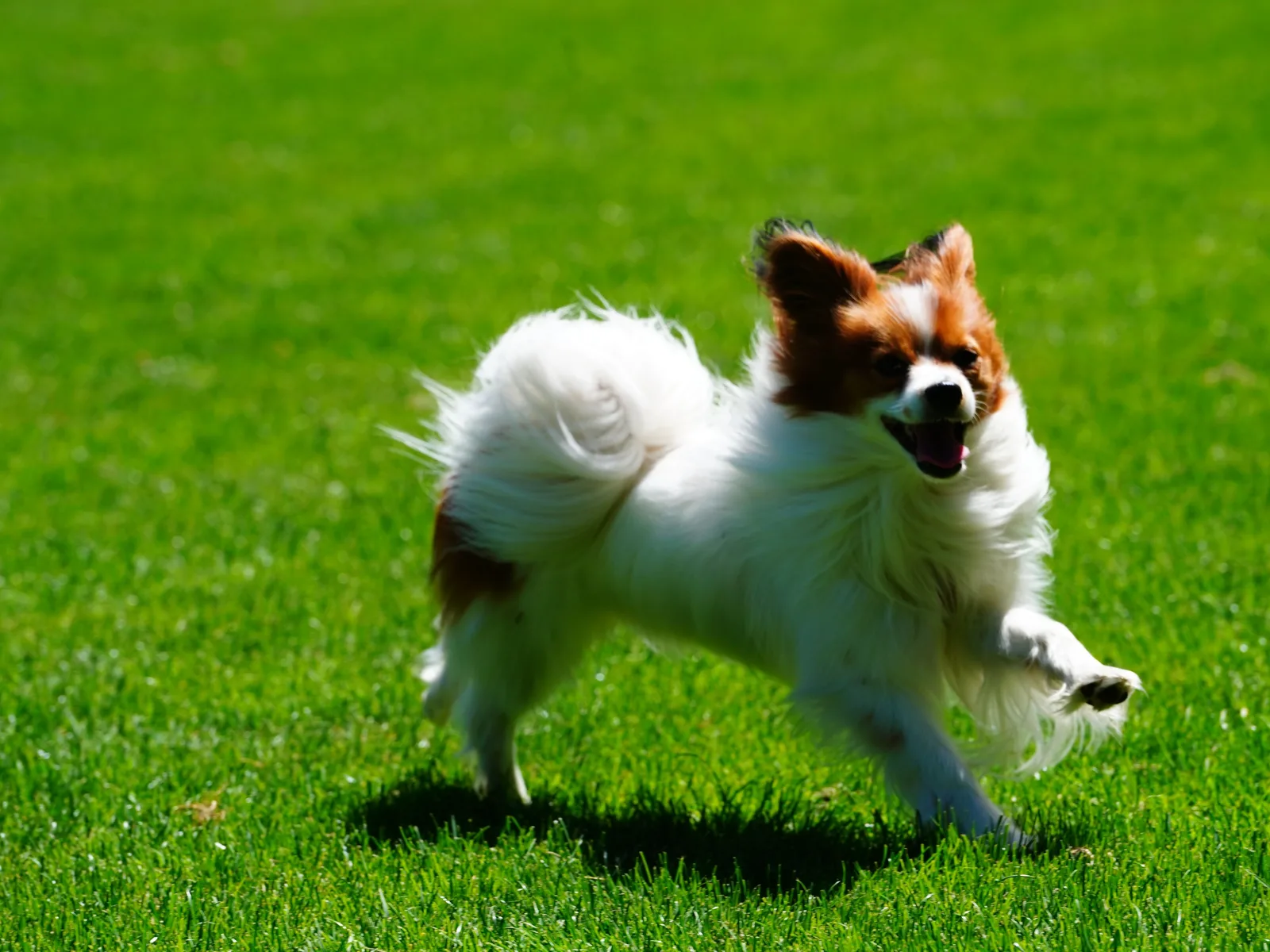
Papillon

Small
●●●●○ Energy
●●●○○ Family fit

Bright, friendly and lively. An alert, highly trainable toy dog with far more energy and brains than its size suggests.

Size Small
Weight 2-5 kg
Height 20-28 cm
Life Span 14-16 yrs
Origin France

Daily Care at a Glance

Exercise

A Papillon needs more activity than most toy breeds: two short walks a day plus play and training. It loves learning tricks, scent games and agility. Indoor games help on very hot days. Supervise it around bigger dogs and stop it leaping off high furniture, because its legs are fine-boned.

Grooming

The long, silky coat has no undercoat, so it tangles less and sheds less than you might expect. Brush once or twice a week, paying attention to the ear fringes and behind the ears. Trim nails regularly and brush teeth several times a week, as small breeds are prone to dental disease.

Training

One of the easiest small breeds to train. Papillons are quick, eager and food-motivated, so short, fun, reward-based sessions work brilliantly. Toilet training can take patience, as with many toy dogs; a consistent routine helps. Teach gentle handling and calm greetings so visitors don't scoop it up unexpectedly.

The Papillon Story

The Papillon is a tiny toy spaniel named for its large, fringed ears, which look like a butterfly's wings ("papillon" is French for butterfly). The breed has been a companion dog in Europe for centuries and turns up in old paintings of royal courts. A drop-eared version, the Phalène, comes from the same lines.

Don't let the dainty look fool you. Papillons are bright, active and remarkably trainable, and they often do well in obedience and agility. They are friendly and outgoing with their people, usually polite with other pets, and happy in a small home as long as they get daily exercise and attention.

They weigh only 2 to 5 kilos, so their small frame is the main caution. Rough play or a fall from furniture can hurt one, which makes them a better fit for homes with older, gentle children than with toddlers. The single silky coat is easy to care for compared with most long-haired breeds. Commonly listed health issues include slipping kneecaps and dental problems, so regular teeth cleaning matters.

Breed Characteristics

Energy Level
4/5
Child-Friendly
3/5
Grooming Needs
2/5
Trainability
5/5
Barking Level
3/5
Shedding Level
2/5
Drooling Potential
1/5