
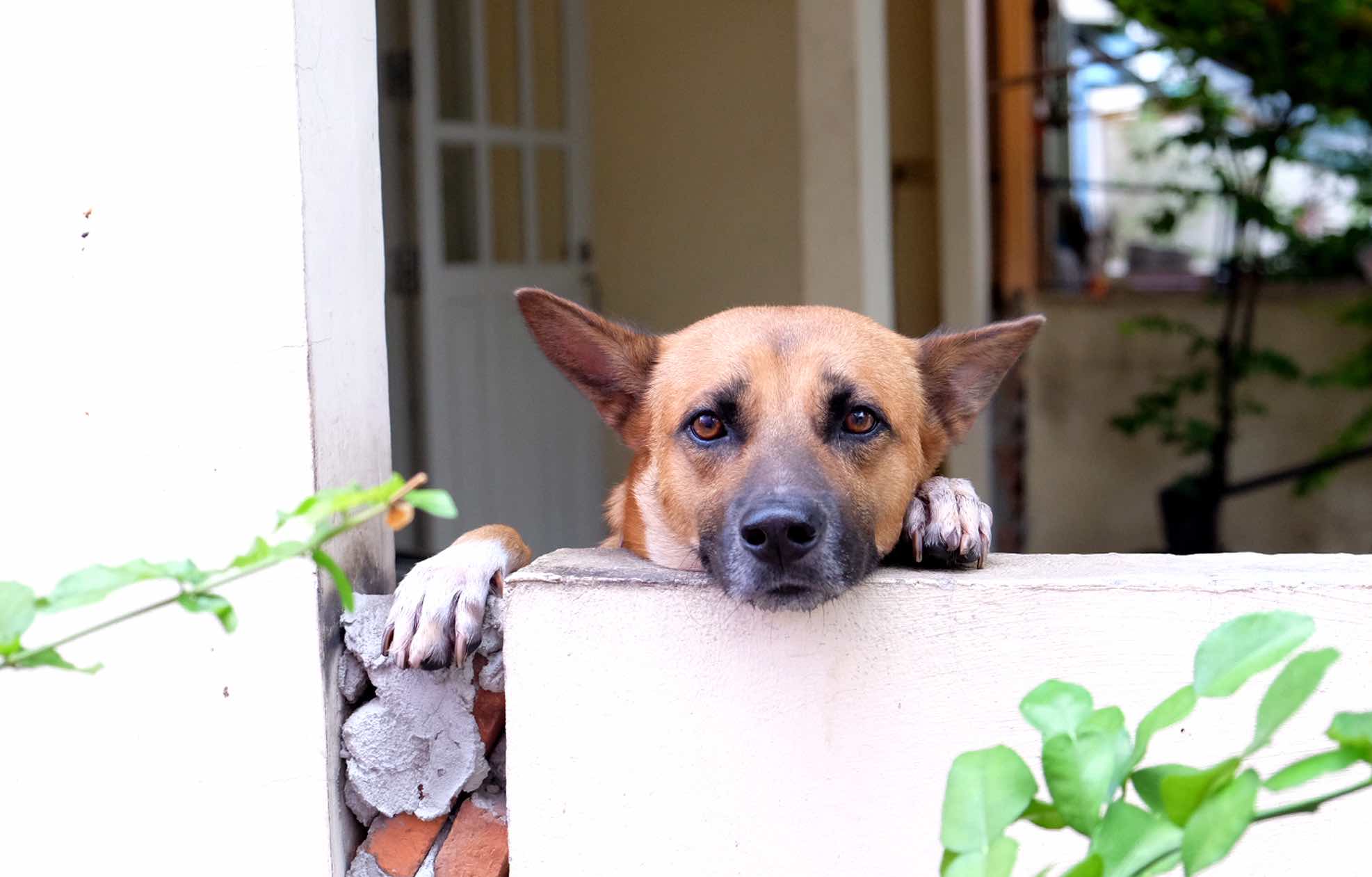
Your dog isn't being naughty. If the chewing, howling, or accidents only happen when you're gone — and stop the second you walk back in — that's not a training gap, it's panic. Separation anxiety is one of the most common behavioral issues in dogs and one of the most misread, because the damage looks like misbehavior but the cause is closer to a phobia.
Here's what actually causes it, how to tell it apart from ordinary boredom, which breeds are more prone to it, and what vets and behaviorists actually recommend — as opposed to the advice that quietly makes it worse.
What Separation Anxiety Actually Is
Boredom destruction is opportunistic — a chewed shoe here, a dug-up garden bed there, usually worse the longer the dog is left with nothing to do. Separation anxiety is different: it's a panic response triggered specifically by being left alone, and it typically starts within minutes of the owner leaving, not hours. A dog with true separation anxiety isn't entertaining itself. It's trying to escape, or trying to call you back.
This distinction matters because the fixes are almost opposite. More toys and a longer walk help a bored dog. They do very little for a dog in genuine distress about being alone.
Signs to Look For
- Destruction concentrated at exit points — doors, window frames, crates — rather than spread around the house
- Vocalizing (howling, barking, whining) that starts almost immediately after you leave
- House-soiling only when left alone, in a dog that's otherwise fully house-trained
- Pacing, panting, or drooling before you've even left — dogs pick up on departure cues
- Self-injury from escape attempts: broken nails, worn or bloodied teeth from chewing at doors or crate bars
The clearest tell is timing, not mess. Ten minutes of security-camera footage usually settles it: true separation anxiety spikes almost immediately after you leave and drops almost immediately when you return. Boredom-driven destruction doesn't follow that pattern.
What Causes It
A few things reliably contribute:
- Under-conditioned alone time. Puppies that are never left alone for even short stretches often never learn that alone time is safe and temporary.
- Sudden schedule changes. The classic trigger is a return to the office after an extended stretch of someone being home — the dog had months of constant company and lost it overnight.
- Rehoming history. Dogs that have already lost a home once are statistically more prone to anxiety about losing another.
- Breed predisposition. Some breeds were deliberately bred for constant partnership with a handler, not independence.
- A recent household change. A person moving out, a schedule shift, or even an owner's injury/illness that kept them home longer than usual can reset a dog's expectations.
Breeds More Prone to Separation Anxiety
Every breed profile on RightDogMatch carries a separation anxiety risk rating from 1 to 5, based on temperament and working history — worth checking before you commit if you know you'll have long stretches away from home. These four score highest, and it tracks with what they were bred to do: work in constant partnership with a person, not independently.
Vizsla

Cavalier King Charles Spaniel

Labrador Retriever

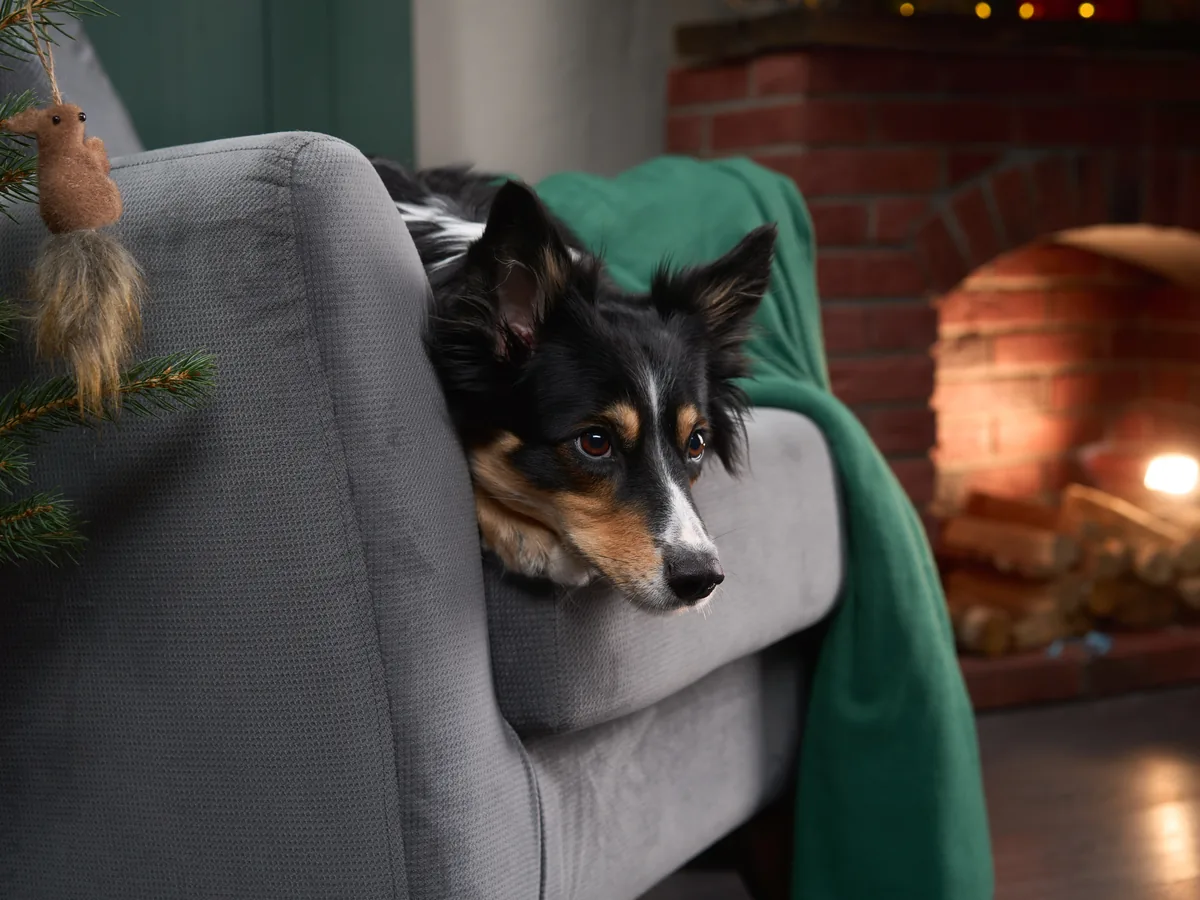
Border Collie
Breeds That Generally Handle Alone Time Better
Independence isn't a lack of affection — it's a different temperament, often bred deliberately into breeds that historically worked or lived with more autonomy. None of these are immune to separation anxiety without proper conditioning, but they generally cope better with reasonable stretches alone.
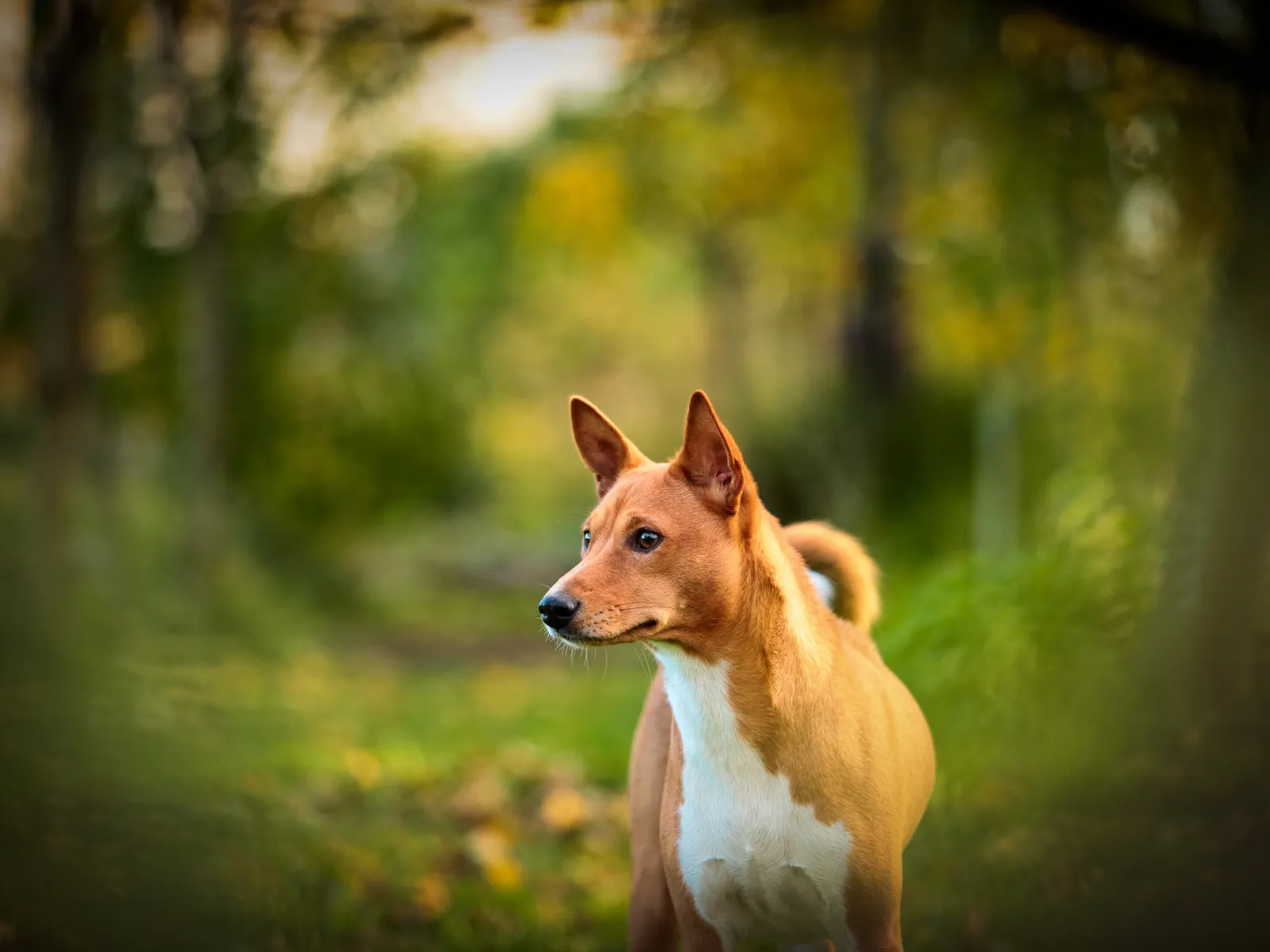
Basenji
Greyhound

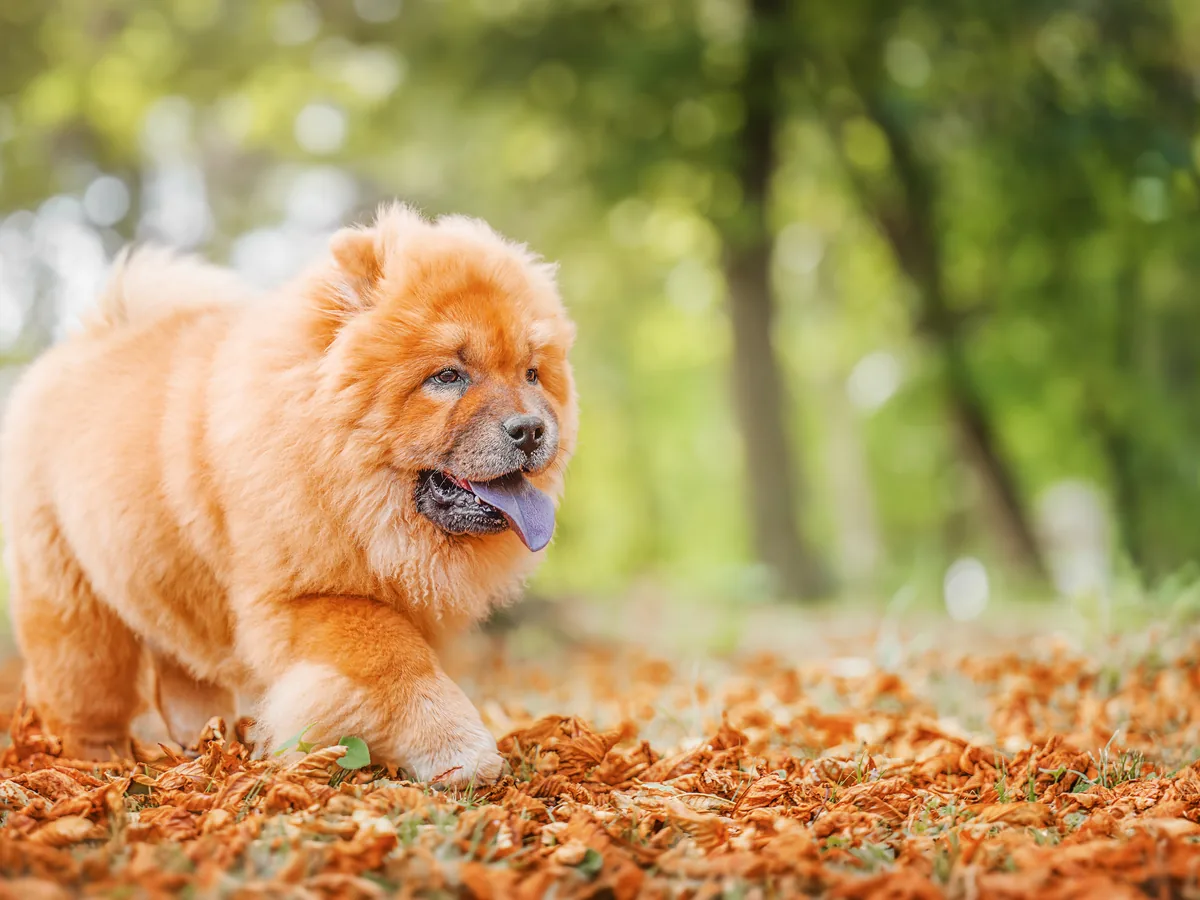
Chow Chow
Shiba Inu

What Actually Works
- Gradual desensitization. Practice absences in seconds and minutes before you ever attempt hours — most people skip straight to a full work day and wonder why it fails.
- Neutral departure cues. Grabbing keys or putting on shoes becomes a panic trigger on its own. Do those things at random points when you're not leaving, so they stop predicting abandonment.
- Enrichment timed to the worst minutes. A frozen food puzzle handed over right as you leave occupies the exact window when anxiety peaks.
- A safe space, never a punishment. A crate can help enormously — but only if it's already a positive, comfortable space the dog chooses to rest in, never somewhere it's confined as a consequence.
- Consistency in the environment. Familiar background noise (TV, radio) and a consistent routine reduce the sense that something unusual is happening.
- Build independence at home first. A dog that can't settle alone in another room while you're home won't manage when you leave the house. Start there.
What Makes It Worse
A few common instincts actively backfire:
- Punishing the mess after the fact. Dogs don't connect a scolding to something they did hours earlier — it just teaches them your return is unpredictable and unsafe, which deepens the anxiety.
- Getting a second dog to "fix" the loneliness. This works for boredom, rarely for anxiety — because the panic is usually specific to the owner's absence, not aloneness in general.
- "Toughing it out" with long absences to build tolerance. Flooding a dog with the exact scenario that terrifies it reliably makes anxiety worse, not better.
When to Get Professional Help
Start with a vet visit to rule out medical causes — house-soiling in particular can look identical to anxiety but be a UTI or incontinence issue instead. For moderate to severe cases, a vet behaviorist or certified trainer with real separation anxiety experience makes a measurable difference, and in some cases short-term medication is a legitimate bridge that makes training possible — not a replacement for it, but a reasonable tool alongside it.
Choosing a Dog With Your Schedule in Mind
If you're choosing a new dog and know you'll realistically have long stretches away from home, it's worth factoring in from day one rather than discovering it the hard way. Every breed profile shows a separation anxiety risk score, and the quiz asks directly about your typical hours away so your matches already account for it.