
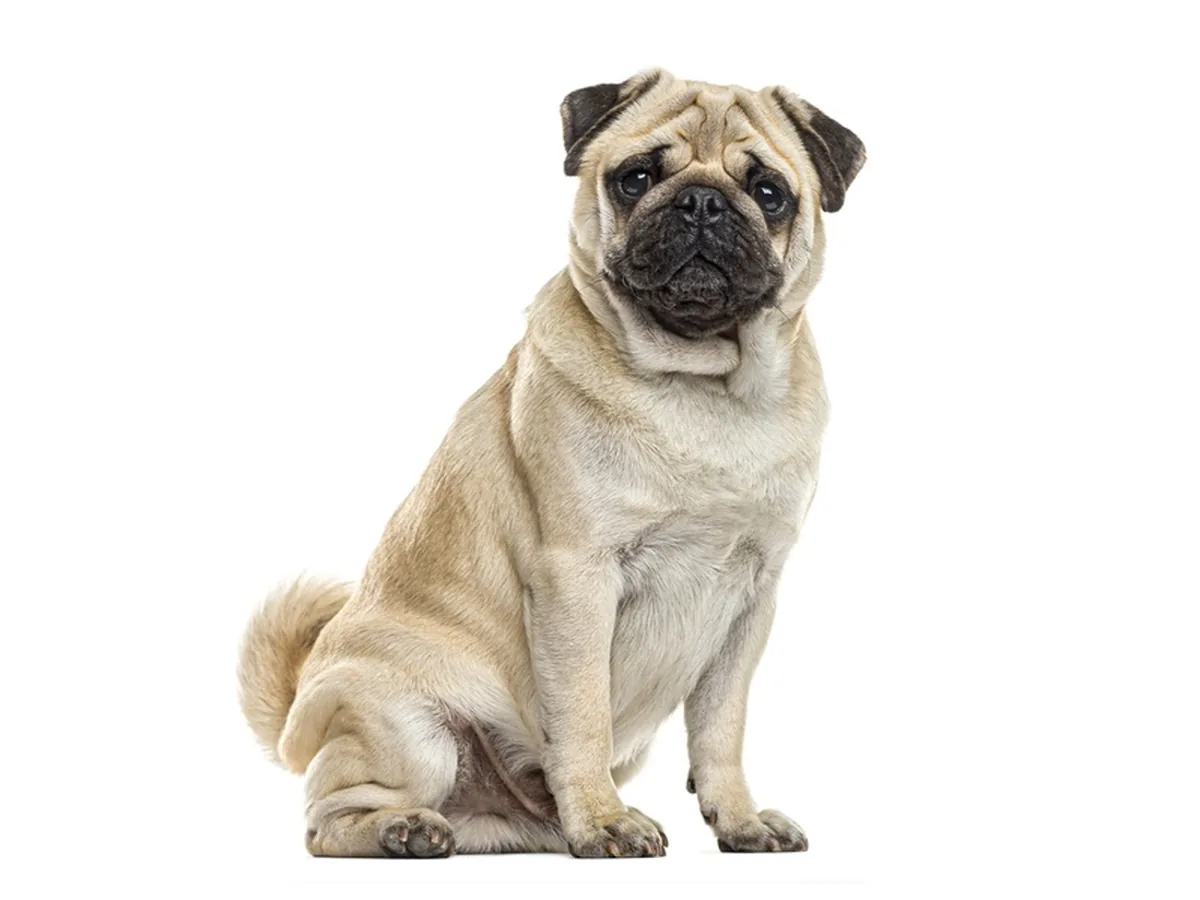
The Pug arrived in Europe from China via Dutch traders in the 16th century and immediately set about establishing itself as the quintessential companion dog — small, flat-faced, sociable, and possessed of an expression that manages to convey both profound wisdom and complete confusion simultaneously. They've been making themselves at home on people's sofas ever since, with considerable success.
They're excellent apartment dogs. Low exercise requirements, calm indoors, generally content to be wherever you are without the frenetic energy of many small breeds. They attach to their people with uncomplicated warmth and extend that warmth to almost everyone they meet, including children, other dogs, and strangers. There's very little suspicion in a Pug. There's a lot of enthusiasm.
The personality is genuinely endearing. Pugs are playful without being demanding, affectionate without being overwhelming, and their comedic quality — the snuffling, the contorted expressions, the absolute certainty that whatever you're eating should be shared — makes them consistently amusing to live with.
The flat face is also the honest conversation that has to happen. Brachycephalic breeds — and the Pug is among the most extreme — carry real health implications. Breathing difficulties in hot weather or during exercise are common. Snoring is a nightly feature. Eye problems occur. The adorable squashed face that defines the breed's appearance is the same structure that creates these challenges, and responsible ownership means understanding and planning for them.
Shedding is more than most people expect from a small dog. The short fawn or black coat sheds generously year-round. Regular brushing and a willingness to hoover frequently is the practical requirement.
For someone who wants a devoted, sociable, low-energy companion for apartment living and approaches the health considerations with clear eyes, the Pug is a genuinely warm and entertaining choice.