
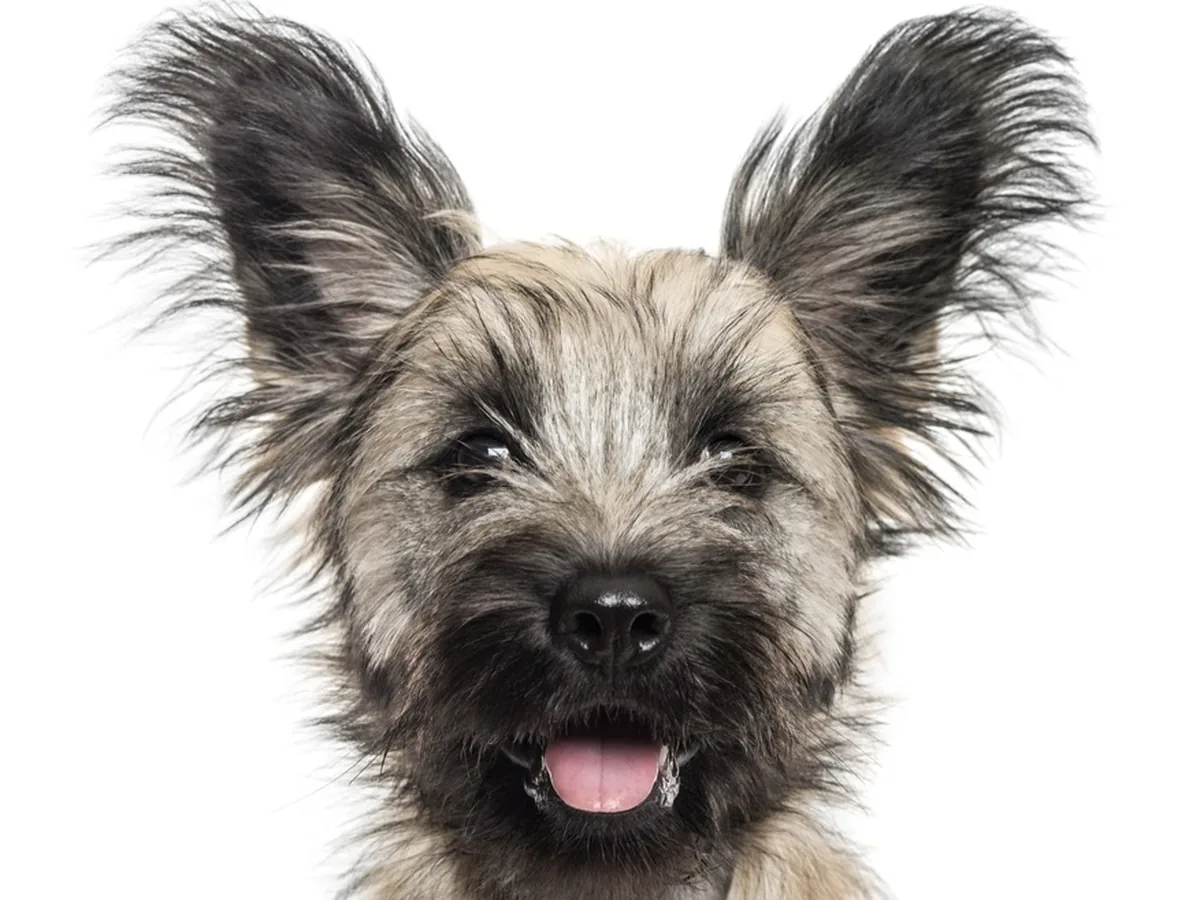
The Skye Terrier looks like an aristocratic floor mop with unresolved trust issues, which is more or less accurate. One of Scotland’s oldest terriers, it was developed on the rugged Isle of Skye to hunt foxes and otters through rocky coastal terrain. Legends claim the breed was refined using long-coated dogs from a Spanish shipwreck in the Hebrides. The result is a dog around 25 cm tall but absurdly long from nose to tail, wrapped in a sweeping double coat and carrying itself with complete self-belief.
The loyalty is legendary. Greyfriars Bobby, reportedly a Skye Terrier, supposedly stayed beside his owner’s grave in Edinburgh for 14 years. Modern Skyes still bond intensely to one person or family and do not transfer affection casually. Rehoming adults can be difficult because these dogs attach deeply and specifically.
Queen Victoria adored the breed, helping make it fashionable among British aristocracy, but today the Skye Terrier is critically rare. At one point only 42 puppies were registered in the UK in a year.
With strangers they’re reserved, watchful and faintly suspicious. The Skye Terrier Club of Scotland motto, “Wha Daur Meddle Wi’ Me” (“No one meddles with me with impunity”), is not subtle. Early socialisation matters enormously.
Training requires patience and diplomacy. Skyes are intelligent but independent, fully capable of understanding your request before deciding whether it deserves cooperation.
The coat is the major commitment. That long, silky double coat needs thorough weekly brushing and regular maintenance. The heavily feathered upright ears only add to the breed’s eccentric charm.
For patient owners wanting a rare, historically significant terrier with fierce loyalty and genuine character, the Skye Terrier is a singular companion.