
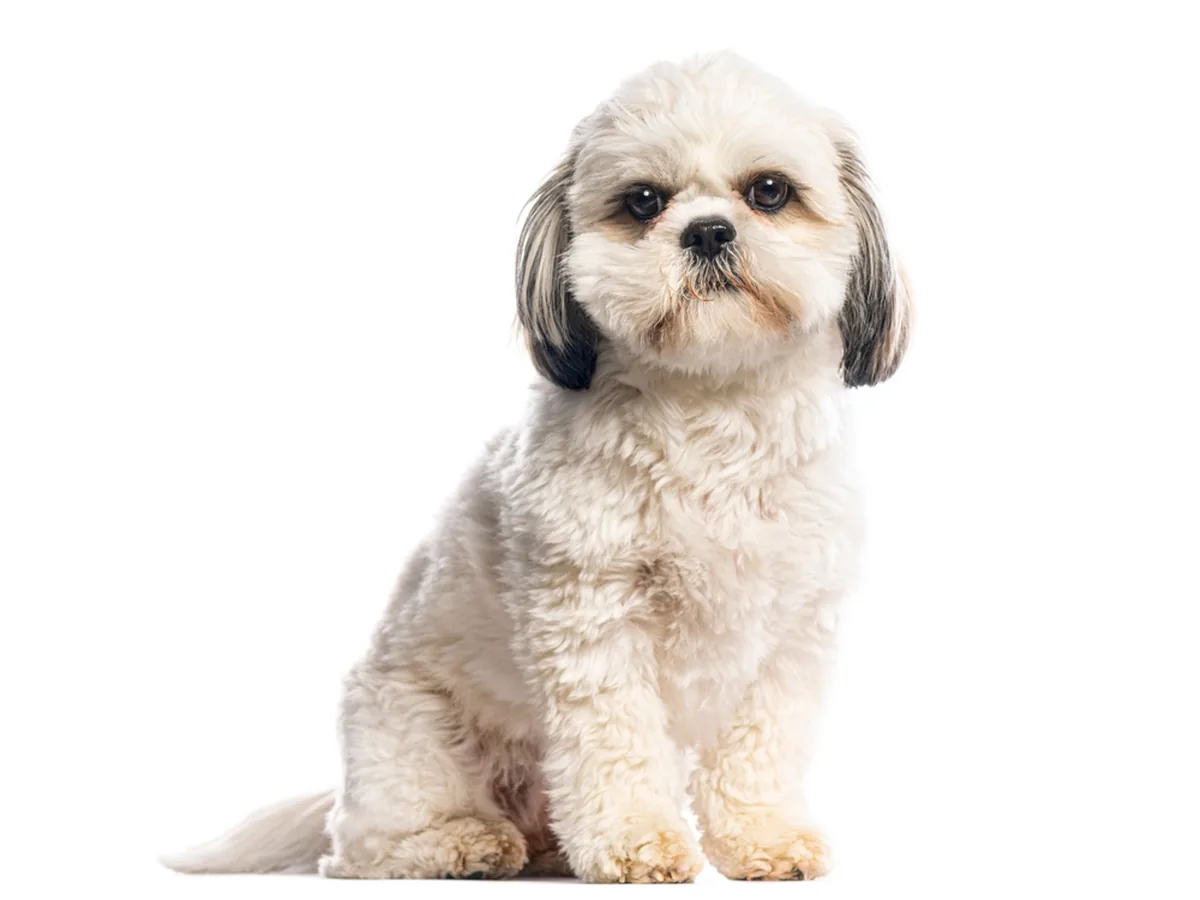
The Shih Tzu spent centuries in Chinese imperial palaces, and it acts like it. Small, heavily coated, and carrying that faint air of being slightly above the situation, it’s nonetheless one of the more genuinely affectionate companion breeds. Warm, playful, and keen to be involved, they’re not passive lap dogs so much as constant, nearby company.
The history runs deeper than the palace walls. Shih Tzu-type dogs appear in records as far back as 1000 B.C., likely originating in Tibet before being gifted to Chinese emperors. The name itself means “Lion Dog,” tied to Buddhist symbolism and their stylised resemblance to guardian lions. Genetically, they’re one of the more ancient breeds, with DNA links that sit surprisingly close to wolves, though nothing about their behaviour suggests they’re about to head back to the pack.
At 4 to 7 kg, they’re built for apartment life. Exercise needs are modest, noise is manageable, and they’re typically good with children and other pets. The grooming is the trade-off. That long coat needs daily brushing or it mats quickly. Many owners opt for a shorter clip to keep things practical. Despite the volume of hair, they’re low shedders, which helps, but it doesn’t reduce the workload.
The face is distinctive and not purely aesthetic. The underbite, the flattened structure, what the Chinese once described as “frog mouths” and “earthworm lips” all come with real considerations. Heat tolerance is limited, snoring is common, and heavy exertion in warm or humid conditions is not their game.
They attach strongly to their people and don’t do well with long stretches alone. Expect a dog that wants to be part of your day not an occasional guest in it.
For the right owner, one who’s happy to manage the coat, keep them cool, and accept a bit of attitude with the affection, the Shih Tzu delivers exactly what it was bred for: a close, loyal companion that takes its role in your life very seriously.