
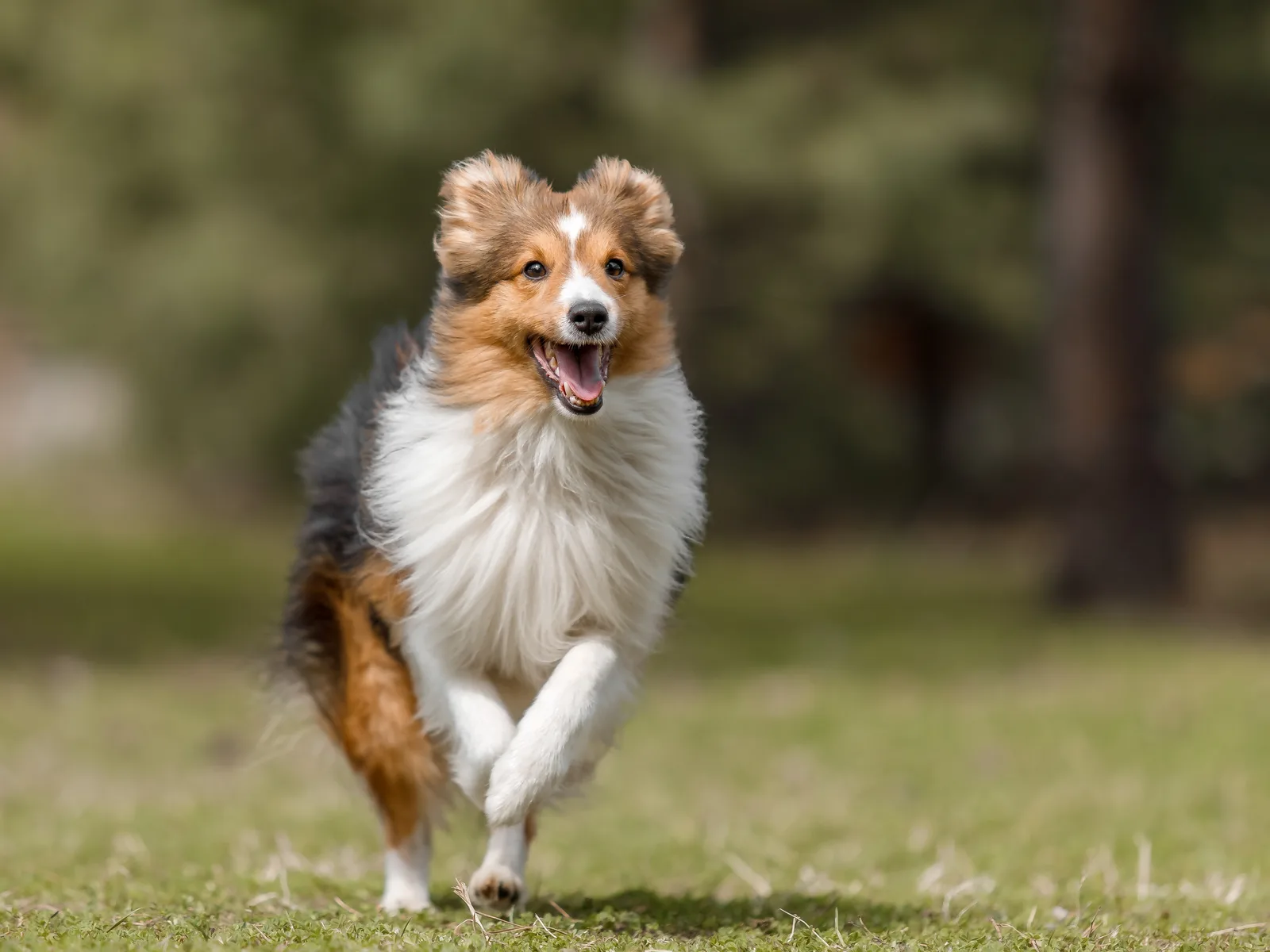
Shetland Sheepdog

Small
●●●●○ Energy
●●●●○ Family fit

Gentle, bright and devoted. A sensitive, very trainable small herding dog that loves its family and can be wary of strangers.

Size Small
Weight 6-12 kg
Height 33-41 cm
Life Span 12-14 yrs
Origin Scotland

Daily Care at a Glance

Exercise

A Sheltie needs about an hour of activity a day: a couple of walks plus play, training or a dog sport. Agility, herding games, fetch and trick training suit it well. In Australian summers, exercise early or late and keep it out of the midday heat, as the thick coat holds warmth.

Grooming

The long double coat needs a thorough brush two or three times a week, more during the seasonal moult, with attention behind the ears, under the legs and around the "trousers", where mats form. Don't shave it: the undercoat insulates against heat as well as cold. Trim nails and check teeth regularly.

Training

One of the most trainable breeds there is. Shelties learn fast and want to please, but they are sensitive, so calm, reward-based training works far better than harsh corrections. Teach a "quiet" cue early to manage barking, and socialise puppies widely so their natural reserve with strangers doesn't become shyness.

The Shetland Sheepdog Story

The Shetland Sheepdog, almost always called the Sheltie, is a small herding dog from the Shetland Islands off the north of Scotland. Crofters there kept small dogs to move sheep and ponies and keep birds off the crops, and the breed was later refined with Rough Collie blood. That's why a Sheltie looks like a Collie in miniature, although it is a separate breed, not a scaled-down Collie.

Shelties are bright, gentle and very devoted to their family. They are among the easiest breeds to train, sensitive to tone of voice, and they excel at obedience and agility. With people they know they are affectionate and playful; with strangers they are often reserved at first. Most get on well with children and other pets, though the herding instinct can show up as circling, chasing or nipping at running kids, which training can redirect.

The two things owners mention most are barking and coat. Shelties were bred to use their voice, and many bark readily at noises, visitors and anything moving past the window. The thick double coat sheds heavily, especially in seasonal moults. They are a good size for a smaller home if they get daily exercise and company, but they don't like long hours alone. Commonly listed health issues include collie eye anomaly, a sensitivity to some drugs linked to the MDR1 gene, and hypothyroidism, so ask breeders about eye and DNA testing.

Explore Similar Lifestyle Matches

Breed Characteristics

Energy Level
4/5
Child-Friendly
4/5
Grooming Needs
4/5
Trainability
5/5
Barking Level
5/5
Shedding Level
4/5
Drooling Potential
1/5