
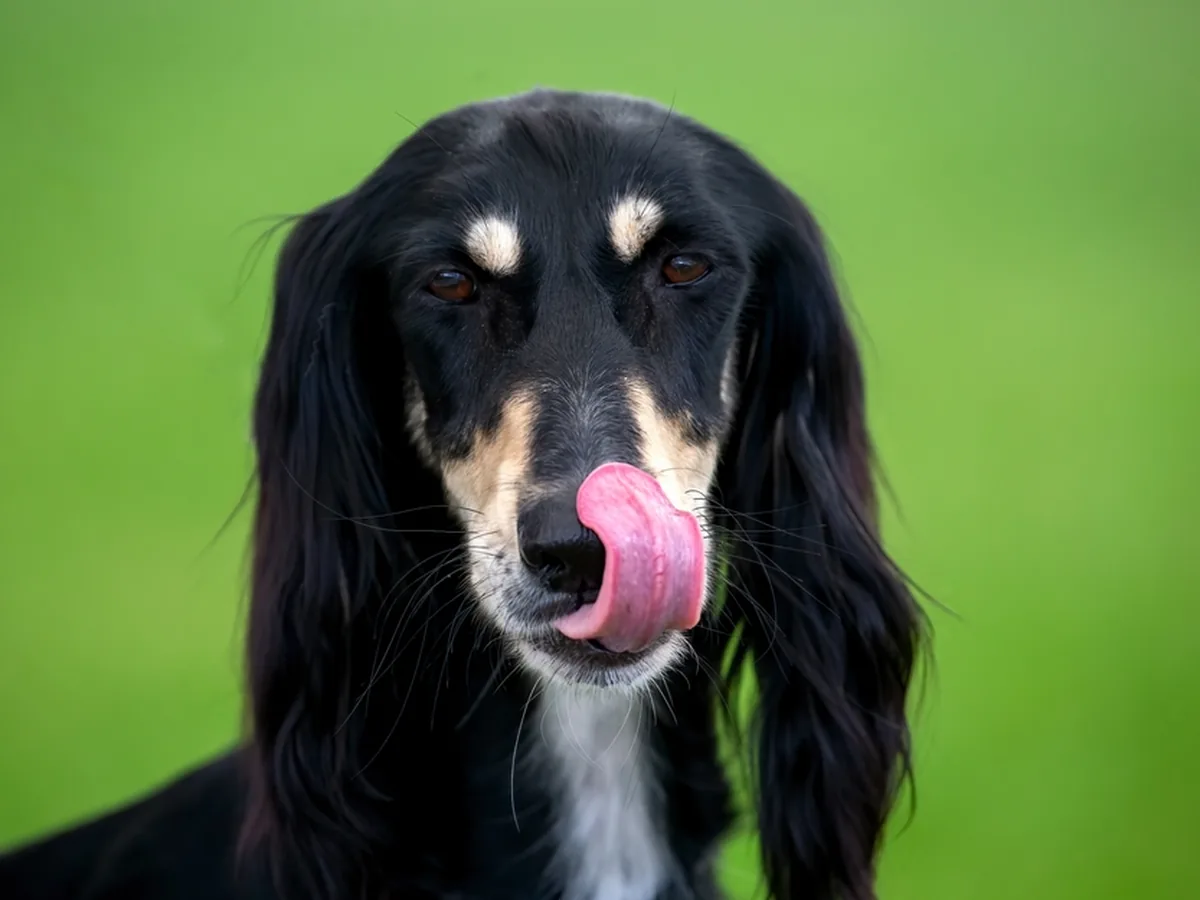
The Saluki is one of the oldest dog breeds in existence, with a history stretching back thousands of years across the Middle East. Often called the “Royal Dog of Egypt,” they’ve been depicted in tombs as far back as 2100 BC and were valued highly enough to be mummified alongside Pharaohs.
Bred by nomadic tribes to chase down gazelle across open desert, they’re built for sustained speed over distance — not just fast, but fast for longer than most dogs can manage. That purpose hasn’t softened with time. It’s still very much there.
They’re quiet dogs, which catches people out. No constant barking, no noise for the sake of it. What you get instead is composure. Salukis are affectionate with their people but not demonstrative about it, and with strangers they tend toward polite indifference rather than enthusiasm. It’s not nervousness, it’s selectivity.
The sighthound instinct is the central reality of living with one. When a Saluki sees movement, the decision to chase is already made. Training helps around the edges, but it doesn’t override instinct. Off-lead in open space is a gamble you eventually lose. Secure running space is a requirement.
Exercise needs are real, but specific. They don’t want endless plodding walks. They want the chance to open up the throttle — long, fast runs where they can do what they were built to do. Indoors, they’re the opposite: calm, quiet, and prone to collapsing across furniture.
They’re generally good with gentle children and fine with other dogs, especially if raised together. Small animals are another story. The prey drive is not theoretical. Fluffy the cat will be a target.
There’s also a cultural detail worth knowing. In parts of the Middle East, Salukis were considered a gift rather than property — not bought or sold in the usual sense, but honoured. Spend time with one and you can see why. They carry themselves differently.
For the right owner — someone who values independence, elegance, and understands the realities of a true sighthound — the Saluki is a remarkable companion. Just don’t expect obedience for obedience’s sake.