
Mark Zuckerberg’s late Puli, Beast, did a decent job introducing the breed to the internet, but the fluffy white billionaire celebrity-dog version is only a tiny bit of the Puli's surprising story.
The Puli is a Hungarian herding dog with over 1,000 years of history, brought into Europe by the nomadic Magyar tribes to work sheep. And it still behaves like it has a job to do in, even in a billionaire's house, or suburbia.
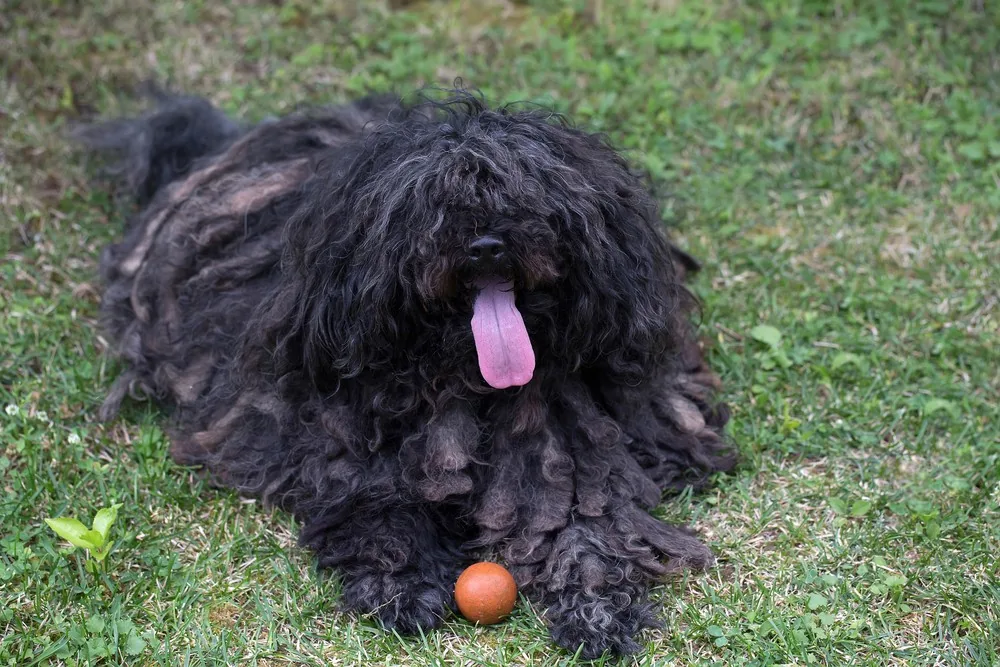
The striking coat is what obviously stops people. A dense, naturally cording double coat that forms rope-like cords, giving the fully grown dog that animated floor-mop look. It doesn’t shed in the conventional sense, but that doesn’t mean no effort. The cords need to be separated by hand as they form or they turn into a single, dreadlocked, unmanageable mass. Some owners skip the cords entirely and keep a short, brushed coat for sanity.
Underneath all that is a sharp, powerful energetic working dog. At 10 to 15 kg, they’re compact but built for movement, with agility and stamina well beyond what their size suggests. They need real daily activity and something to think about. If they’re under-stimulated, they won’t quietly accept it. You’ll hear about it.
Temperament is classic herding dog. Loyal and affectionate with their own people, but not immediately open with strangers. They’re alert, watchful, and take that role seriously. Socialisation early matters if you want that instinct to land as controlled awareness rather than unnecessary noise.
They’re also more athletic than they look. Pulis are known for an unusual herding style, jumping onto the backs of sheep to shift the flock, which tells you everything about their confidence and agility. And when they curl up, especially the black-coated ones, head and tail disappear into the cords, which is where the “push-me, pull-me” nickname comes from.
For someone who wants a distinctive, intelligent, and genuinely capable dog and doesn’t mind the coat or the energy, the Puli delivers. Just don’t mistake the look for the reality.