
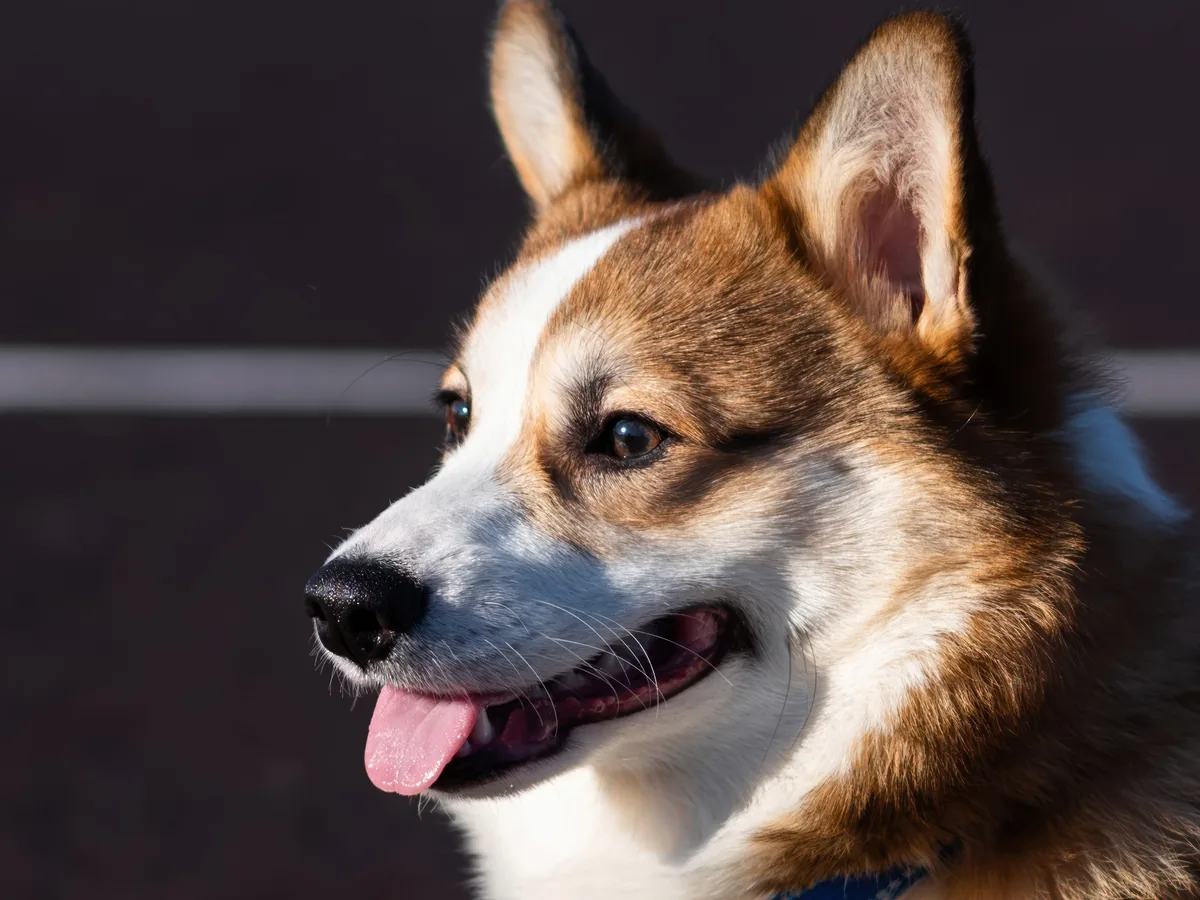
The Pembroke Welsh Corgi was the preferred dog of an English queen, and it has spent the subsequent decades operating with an air of justified self-confidence. Queen Elizabeth II owned more than 30 of them across her lifetime, which tells you something about their appeal — and their ability to take over a household.
Low, long, and built as the smallest of the herding breeds, the Pembroke is a substantial dog in a compact body: active, intelligent, opinionated, and considerably louder than its height would suggest.
They were bred to move cattle in Wales, nipping at the heels of animals many times their size and then dropping low to avoid the return kick. That design still holds. The name itself translates roughly to “dwarf dog,” but there’s nothing small about the way they approach the world. Confidence is default. Authority is negotiable.
Intelligence is high and it cuts both ways. Pembrokes learn quickly, which makes training productive and often enjoyable — they like having a job. The flip side is boredom. Without enough mental stimulation, they will create their own work, and it will not be the kind you had in mind.
The herding instinct shows up in everyday life as an urge to organise movement — children, other pets, guests. It can be funny, and it can become a habit if you don’t address it early. Managed properly, it’s just part of the package.
Shedding is not subtle. The double coat drops hair year-round and heavily in season. Brushing helps. Acceptance helps more.
For active owners who want a genuinely smart, engaged dog with a strong personality in a manageable size, the Pembroke Welsh Corgi delivers. Just be prepared for the noise, the hair, and the quiet assumption that it’s in charge.