
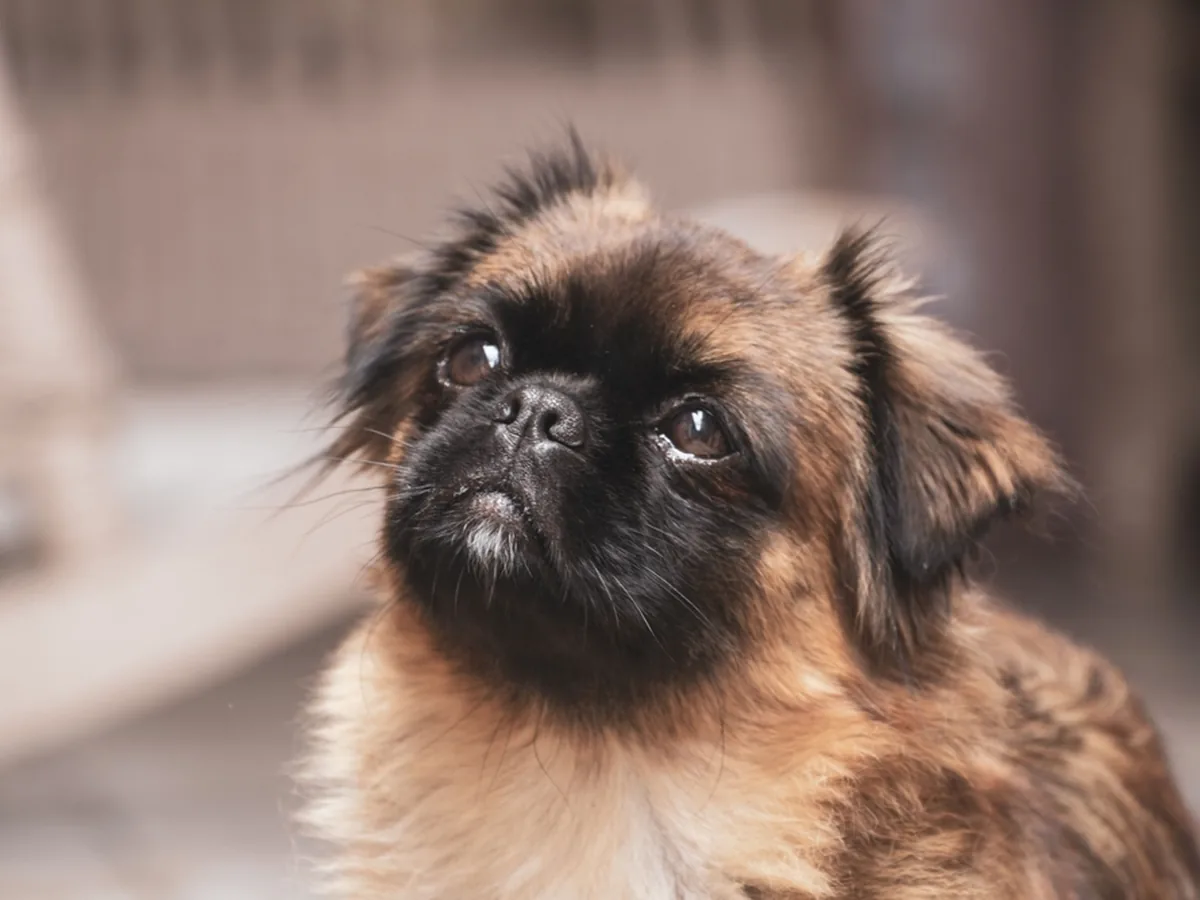
A Pekingese survived the Titanic, and its ancestors rode in the sleeves of Chinese nobility. (Often called "sleeve dogs" today.) That tells you everything about the Pekingese. This is not an ordinary dog. What they offer isn’t obedience or energy, it’s companionship on their terms — quiet presence, loyalty, and the steady company of something that has never felt the need to impress you.
Bred for centuries in the imperial courts of China, the Pekingese was a sacred companion, not a working animal. They lived in palaces, were guarded like treasure, and developed the personality to match. You don’t own a Pekingese so much as co-exist with it in its exalted presence.
They’re small — around 3 to 6 kilograms — but behave like something far more substantial. Calm, composed, and quietly self-assured, they’re affectionate with their people but never needy or overly eager to please. Requests are considered, not obeyed.
Exercise needs are minimal. They’re built for indoor life, short walks, and comfortable surfaces. Apartments suit them perfectly. What they do want is proximity — they prefer being near you, just not necessarily doing what you’re doing.
The coat is where reality kicks in. That long, flowing double coat needs consistent brushing or it mats quickly, and the facial folds require regular cleaning. Many owners go shorter for sanity. The flat face also means heat is an issue, and snoring is part of the package.
Training is, at best, a negotiation. They’re intelligent enough to learn anything, but motivation is selective. If it suits them, they’ll cooperate. If it doesn’t, they’ll simply opt out.
For people who want a small dog with a big personality and don’t need constant obedience or energy, the Pekingese delivers. For anyone expecting a compliant, eager companion, this is the wrong dog entirely.