
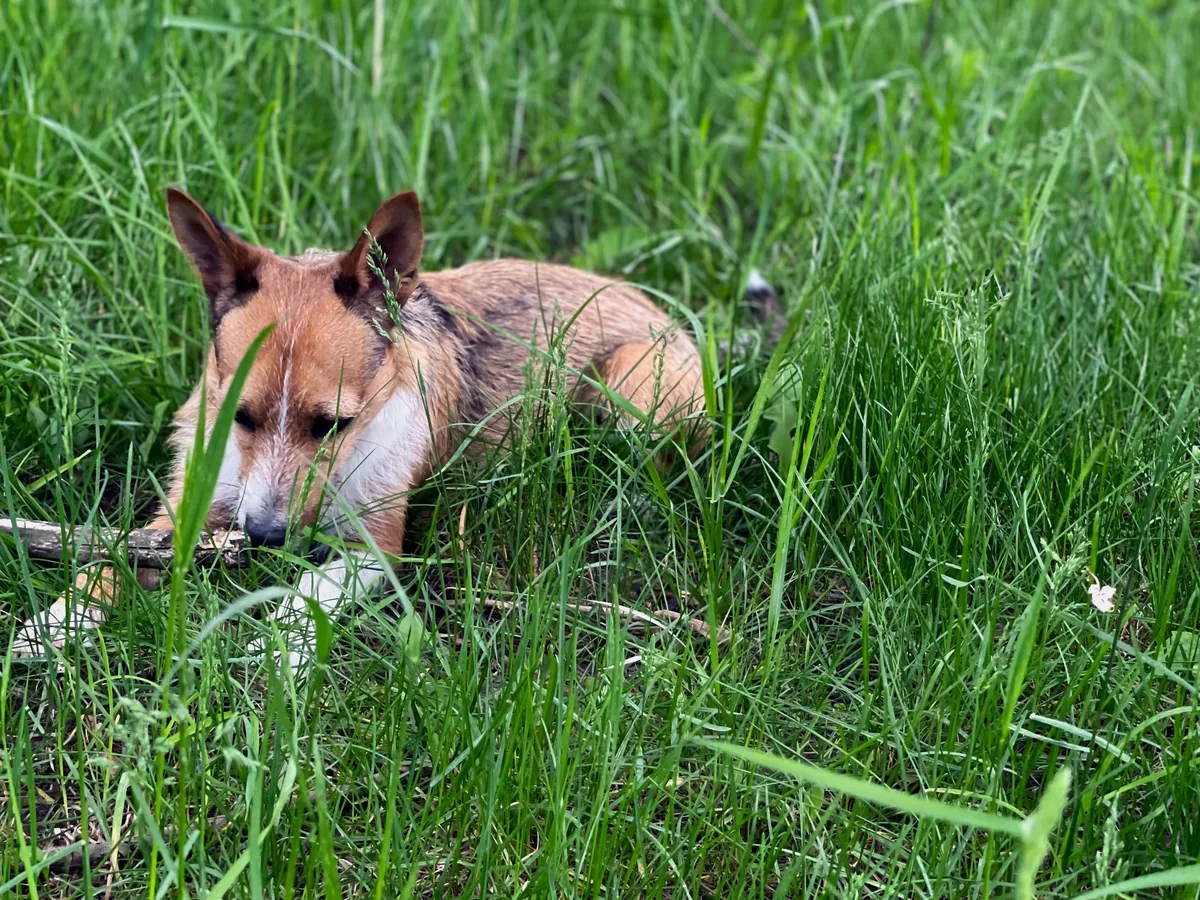
The Norwegian Lundehund is a small Spitz from the remote Norwegian islands of Lofoten and Værøy, developed for one very specific job: hunting puffins off sheer coastal cliffs. Everything about the breed is built for that task. This isn’t a dog that happens to be unusual. It’s a dog engineered for a problem most other breeds would simply refuse.
The headline traits aren’t gimmicks. They’re tools. The Lundehund has six fully functional toes on each foot, giving it grip on wet, vertical rock. Its joints are extraordinarily flexible — the neck can bend back to touch the spine, and the front legs can extend outward like arms to stabilise on narrow ledges. Even the ears can fold shut to keep out dirt and water when working inside tight burrows. Taken together, it’s one of the most physically specialised dogs in existence.
In temperament, you get the working Spitz profile in a smaller, more manageable frame. Alert, curious, and energetic, with a strong independent streak and a tendency to think before it acts. They’re friendly with their people, generally fine with strangers, and not shy about using their voice. Not excessive, but you’ll hear them when they’ve got something to say.
Training is achievable but not automatic. They’re intelligent and capable, but compliance is a decision, not a reflex.
The reality of the breed, though, isn’t just the party tricks. It’s the genetics. The modern Lundehund population descends from a tiny number of surviving dogs after near extinction in the 20th century. That bottleneck has consequences. Lundehund syndrome, a serious gastrointestinal condition affecting nutrient absorption, is common and requires careful, ongoing management. This is not a “figure it out later” issue. It’s central to ownership.
They’re also rare. Properly rare. Not uncommon, not hard to find — rare enough that you should expect wait times, limited breeders, and a need to do proper homework.
So while they’re small, agile, and fascinating, they’re not a general-purpose companion. This is a niche, historically specific working relic with real-world health considerations attached. If you treat it like a standard small dog, you’ll get it wrong.
For the right owner — someone who understands what they’re looking at, values the history, and is prepared for the management that comes with it — the Norwegian Lundehund is one of the most unusual and intriguing dogs you can live with. For everyone else, there are easier choices.