
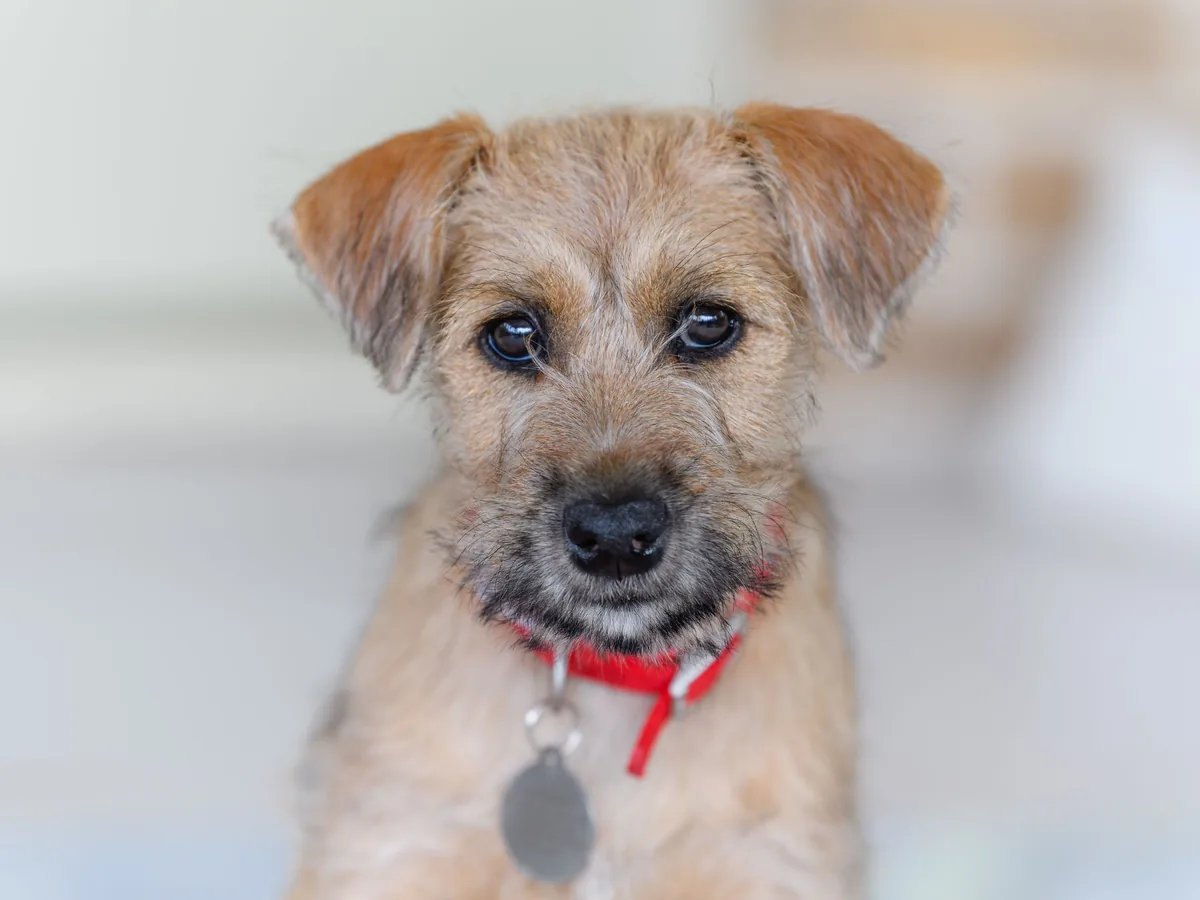
The Norfolk Terrier is the smaller of the two drop-eared British terriers — the Norwich Terrier being its prick-eared counterpart, with the two breeds only formally separated in 1964. At 4 to 5 kilograms, the Norfolk is one of the smallest working terriers, and like all terriers of this type, it carries far more personality and energy than the size suggests. They were bred to bolt foxes and rats from their lairs working alongside packs of hounds, and the tenacity, alertness, and bark that job required remain intact.
They are generally cheerful, sociable dogs who get on well with people and can be good with other dogs when properly socialised — unusual for terriers, who are often more selectively social. They tend to be active and curious, engaged with everything going on around them, and enthusiastic participants in whatever the household is doing. They are not decorative small dogs; they want to be involved.
Their energy levels are real for their size. Norfolks need more exercise than most people expect of a dog this small, and they need mental stimulation to stay settled. Without it, they will find their own entertainment — typically involving digging, barking, or the destruction of something you valued.
The wiry double coat needs hand-stripping ideally twice a year to maintain proper texture and appearance. Most pet owners find professional trimming more practical, though this softens the coat over time. The coat is otherwise low-maintenance and relatively weather-resistant.
Training is productive with a Norfolk but requires patience with the terrier streak. They are intelligent and learn readily when motivated. They are not, however, reliably obedient in the presence of something more compelling than a treat.