
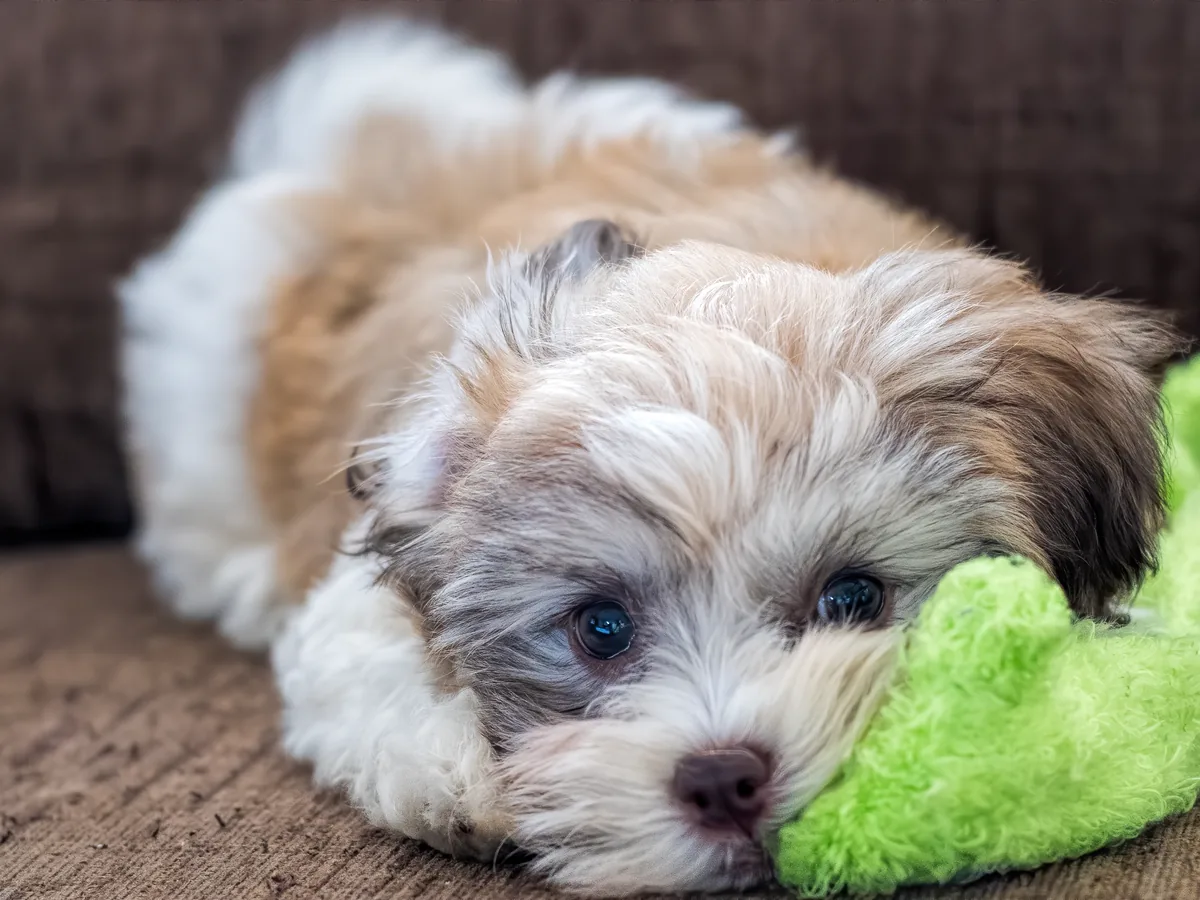
The Havanese is Cuba’s companion dog done properly. Small, adaptable, and built for people, they fit comfortably into apartments and urban life. Exercise needs are moderate, but their need for company isn’t. This is a true velcro dog. Leave them alone too often and they’ll let you know, usually with noise or mischief.
Temperament is the strength. Warm with children, easy with other pets, and generally friendly with strangers. They’ll alert bark, but don’t expect security. This is a social dog, not a deterrent.
Training is a genuine plus. They’re bright, engaged, and respond well to positive reinforcement. There’s a long history of them as performing dogs, which shows in how quickly they pick things up when handled well.
Grooming is the trade-off. The silky coat is low-shedding but high maintenance. Brush several times a week or daily if kept long, plus professional grooming every six to eight weeks. Many owners go shorter and save themselves the fight.
They’re sturdier than they look, typically 23–27 cm tall, and long-lived, often 14–16 years. The modern population traces back to a small group of dogs taken out of Cuba during the 1950s, which explains the consistency in temperament.
They’ve always had a following. Queen Victoria and Charles Dickens were fans, and they still attract high-profile owners today. Less historically significant but more relevant day to day, they are also committed sock thieves. Not occasional. Systematic.
Best fit: someone home often, happy to manage grooming, and wanting a genuinely social, easygoing companion.