
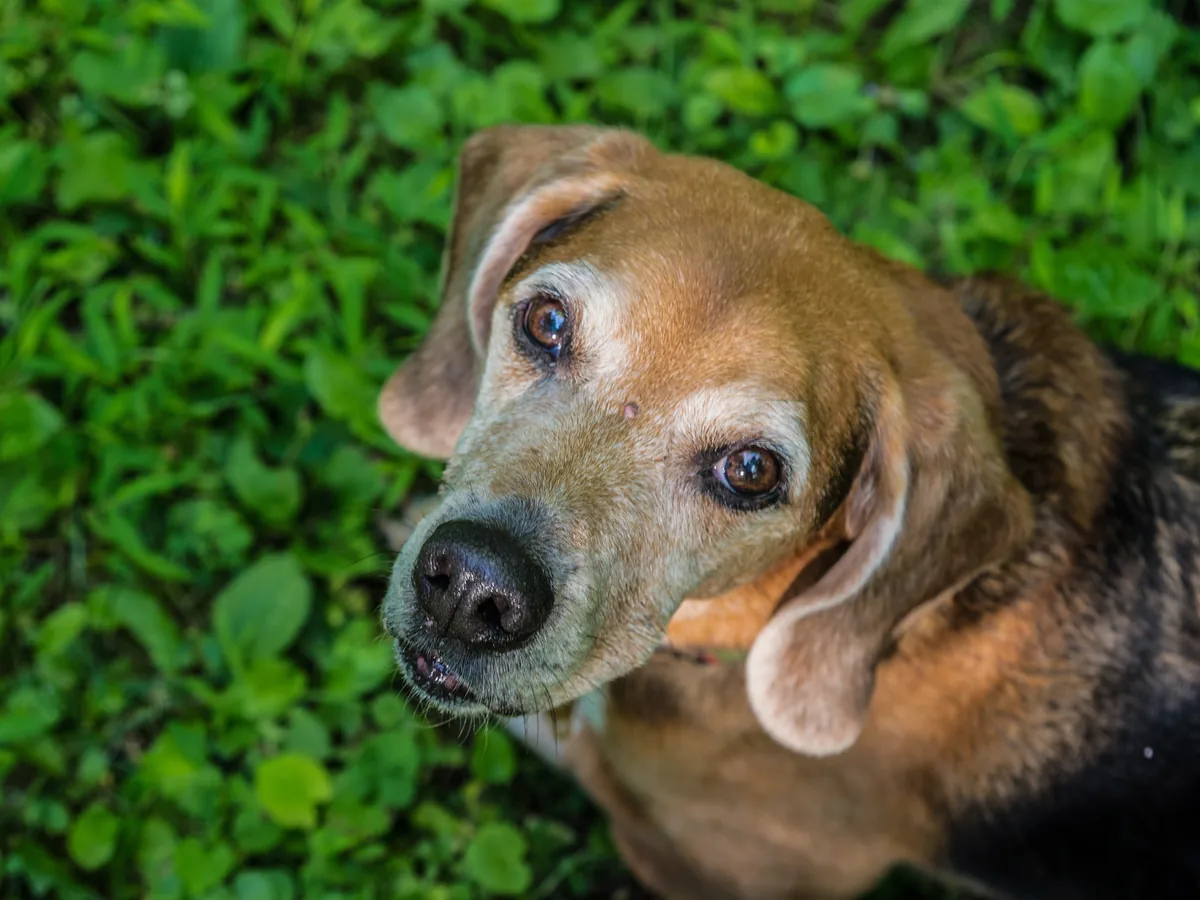
The Harrier isn’t just old, it’s medieval. One of the first recorded packs dates back to 1260, and by 1304 even Edward II of England had them in his kennels. The name itself comes from the Norman “harier,” meaning hound, but make no mistake, this one was built specifically to hunt hares. It’s been doing that job, largely unchanged, for centuries.
Physically, it sits in that in-between space, bigger than a Beagle, smaller than an English Foxhound. Call it the middle child of the hound world, but one that quietly outlasts both. Speed isn’t the point. Endurance is. These dogs were designed to track on foot for hours, not sprint for glory. And the nose? It’s not a feature, it’s a liability if you expect obedience. Once it locks on, the rest of the dog checks out.
Oddly, for something so English, the breed wasn’t formally recognised by the UK kennel system until 2019. That tells you what it was really for. Not show rings. Work. Private packs kept them going while the rest of the dog world polished rosettes.
They’re also rarer than they should be. Recognised early by the AKC, yet still sitting near the bottom of popularity rankings in the US. Meanwhile, in Ireland, they’re still a working staple, with well over a hundred active packs. That’s where you see the real Harrier, not posing, just doing the job it was built for.
Looks-wise, most follow the classic tri-colour hound pattern, but every now and then you get a mottled blue coat that stands out like a pub brawler in a tux.
Temperament follows the history. They’re social, open, and wired for company. Pack dogs don’t do solitude well. Leave them alone and they won’t suffer in silence. They’ll broadcast it. Howls, bays, grumbles, the full soundtrack. That voice once carried across countryside so hunters could follow the chase. Now it carries across fences to your neighbours.