
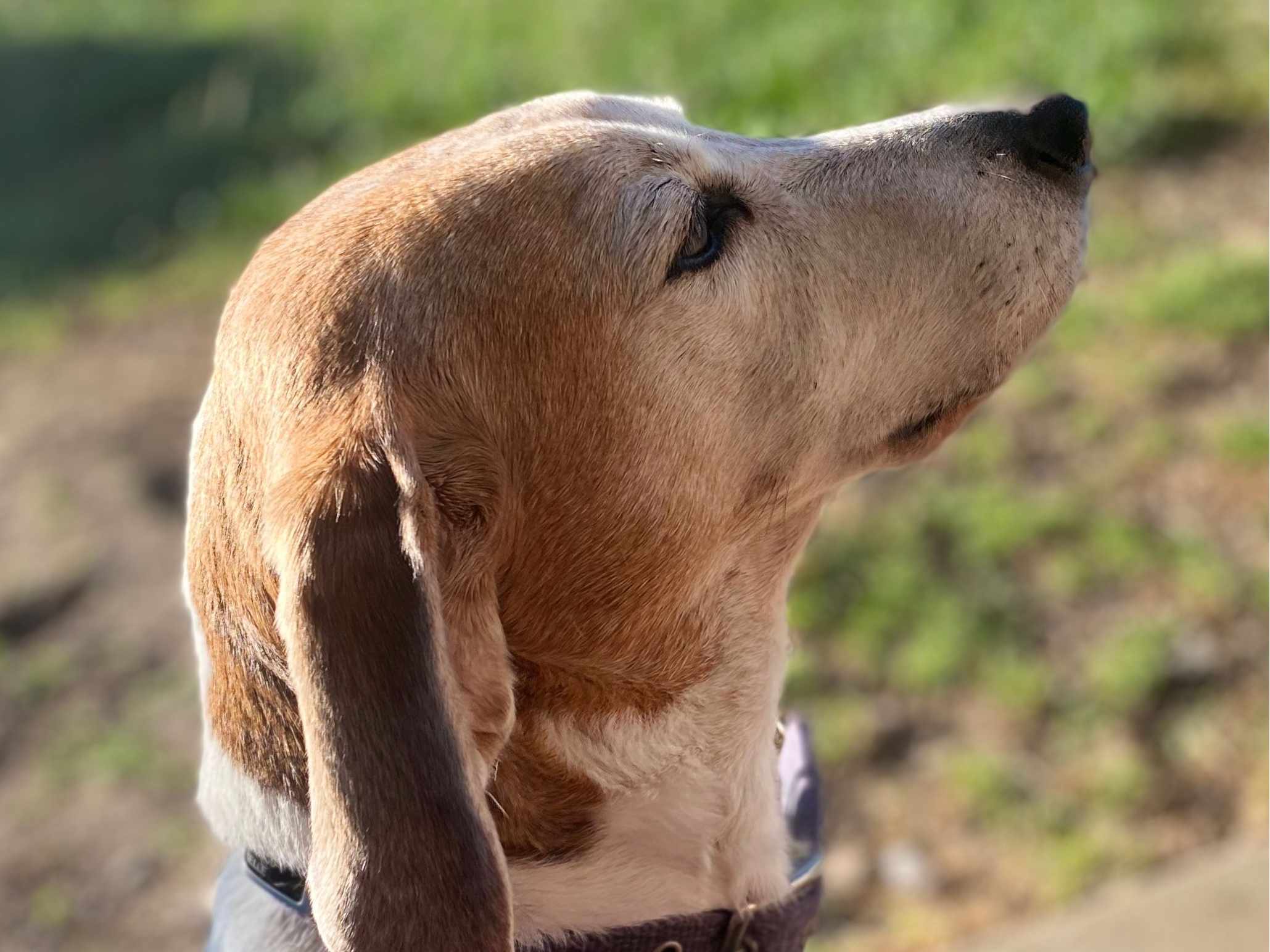
You will hear an American Foxhound before you see one. That deep, melodic bay carries across fields, through walls, and straight into your neighbour's patience. It's not a bark. It's an announcement. Foxhounds were bred to work in packs across open country, and that voice was the whole point — a signal to hunters half a mile away that the scent was live and the chase was on. In a suburban backyard, the context changes. The volume doesn't.
Get past the acoustics and you've got one of America's oldest breeds, shaped in part by George Washington himself, which explains the quiet confidence and the complete indifference to modern leash etiquette. Built lean and efficient, they move like distance runners rather than sprinters, with stamina that can outlast most owners and a nose that will happily overrule any command you thought you’d taught.
They’re friendly and open with people, generally excellent with other dogs, and often tolerant of cats, though anything small and fast still looks like a job to be done. This is a pack animal at heart. They like company, they like movement, and they like purpose. Left alone too long or exercised too little, they don’t sulk — they broadcast.
At home, once the edge is taken off, they’re calmer than expected. Social, even-tempered, and easy to live with in the right setting. But that “right setting” matters. A quick walk around the block won’t touch the sides. They need real distance, real time outdoors, and ideally space where that voice isn’t a problem.
This is a working hound that happens to be friendly, not a family pet that happens to like walks. Get it wrong and you’ll have a very loud, very creative problem on your hands. Get it right and you’ll have a tireless companion with a big heart, a bigger voice, and a very clear idea of what it was born to do.